
Remembering Long Tan is about people more than dates. It is a quiet memory held by families, mates and communities across Australia. The 18 August Vietnam Veterans’ Day gives a national moment to pause and listen.
More than 60,000 Australians served in the vietnam war from 1962 to 1973. The battle at Long Tan became a defining story for the australian army and for those who served. Of those who deployed, 523 died and around 3,000 were evacuated with wounds, injuries or illnesses.
This introduction maps what you will learn next: the battle itself, the legacy and the Long Tan Cross, and respectful ways to mark the anniversary. We will keep the focus on lives and families, not on glorifying conflict.
As veterans age, stories risk slipping from everyday memory. Take a moment to consider how you might acknowledge service in your community — a quiet reflection, a service, a visit or practical support.
Key Takeaways
- You’ll see why Long Tan matters to modern Australia and to veterans.
- Vietnam Veterans’ Day (18 August) is the main national observance.
- The battle shaped perception of the Australian Army and its people.
- Many who served returned amid opposition and limited recognition.
- Simple, respectful acts help keep stories and care alive for ageing veterans.
The Battle of Long Tan and why it still matters
Where and why
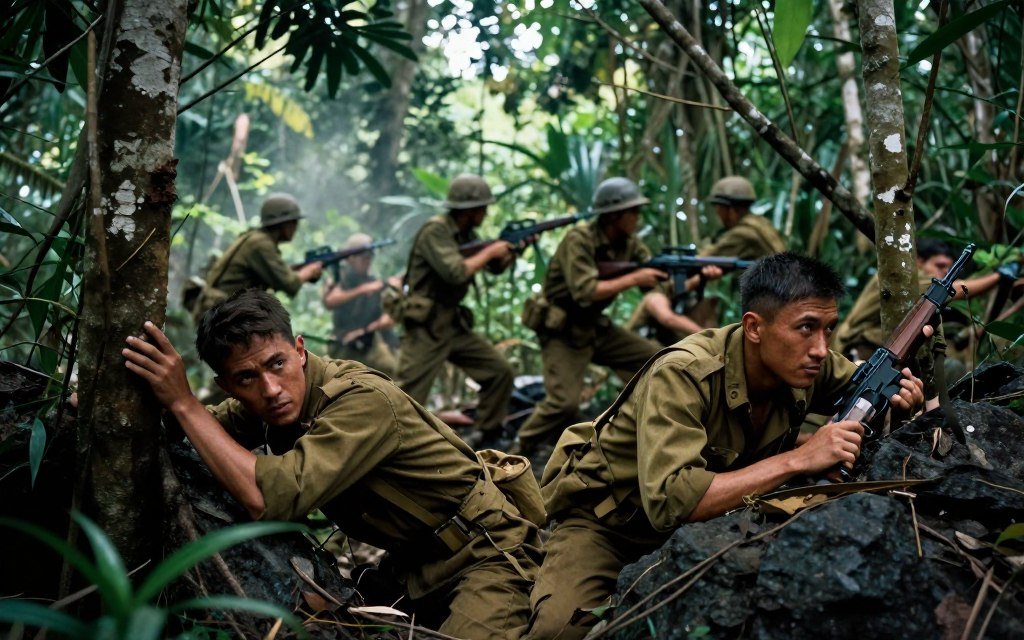
On 18 August 1966 a routine patrol in Phuoc Tuy Province became a fierce clash at the Long Tan rubber plantation. D Company, 6th Battalion, Royal Australian Regiment, about 108 men, found itself fighting in heavy rain and thick mud. The environment shaped every decision that night.
Who fought and how they survived
D Company included many young national servicemen. With numbers against them—estimates put the opposing force around 2000–2500—artillery and air support were crucial. Those strikes helped hold the defensive perimeter and allowed medevac and extraction.
Casualties and contested figures
Australian losses were 18 killed. Wounded totals vary: some sources list 21, others 24. Enemy casualty figures remain disputed: Australian reports cite about 245–260, while Vietnamese records record far fewer.
| Aspect | Australian record | Other records |
|---|---|---|
| Australian force | ~108 | — |
| Opposing force | — | ~2000–2500 |
| Australian killed | 18 | — |
| Australian wounded | 21–24 (reported) | — |
| Enemy KIA (contested) | 245–260 | 47 (Vietnamese official) |
Recognition and legacy
D Company later received the US Presidential Unit Citation for “extraordinary heroism.” Behind medals are people: mates, families and lasting grief. Think for a moment—what matters most to you when you remember war and those who served?
Long tan remembrance in Australia today
Vietnam Veterans’ Day marks a national pause — a quiet point to recognise service, loss and the journeys home.
Vietnam Veterans’ Day on 18 August and what it recognises
What the date means
18 August honours the contribution of Australians in the Vietnam War and the specific actions remembered from that time. It recognises the sacrifices of those who served and the families who supported them.
Service and sacrifice: more than 60,000 Australians who served in Vietnam
More than 60,000 Australians served between 1962 and 1973. Of those, 523 died and about 3,000 were evacuated with wounds or illnesses. These numbers help place single battles within the wider national story.
Homecoming, community attitudes and why acknowledgement matters
Many veterans returned amid community opposition and felt unheard. That experience shaped how veterans accessed support and how they told their stories.
“Acknowledgement can be a simple act — a moment of silence, a conversation, or attending a local service.”
- Take a moment of silence on 18 August.
- Attend a local service or read one veteran’s story.
- Offer practical help to ageing veterans in your community.
Why it matters: public recognition can heal, educate younger Australians, and keep the lives of those who served in the national conversation.
The Long Tan Cross: a symbol of service, sacrifice and memory
A simple memorial, conceived by officers and built by a corporal, grew into a lasting symbol for veterans and their families.
How it was planned and made
Lieutenant Colonel David Butler and WO1 James “Jimmy” Cruickshank proposed the memorial in 1969. NZ Corporal Barry McAvinue cast the cross from concrete. The finished piece weighs over 100 kg and stands just under two metres tall.
The dedication and its inscription
After area security on 17–18 August 1969, the cross was flown in by RAAF helicopter. A chaplain led the service that honoured those lost on the battlefield.
“In Memory of those members of D Coy 6 RAR and 3 Tp 1 APC Sqn who gave their lives near this spot during the Battle of Long Tan on 18th August 1966. Erected by 6 RAR/NZ (ANZAC) Bn 18 Aug 69”
Loss, recovery and recognition
The cross was removed after 1975. It later served as a memorial for a local priest and was recovered in 1984 by the Đồng Nai Province Museum (Biên Hòa). A replica was placed on-site in the 1980s and became a focus for visits and service.
| Year | Event | Significance |
|---|---|---|
| 1969 | Erected by 6 RAR/NZ | Marked the battlefield and honoured service |
| 1984 | Recovered by Đồng Nai Museum | Preserved the original cross for display |
| 2002 | Official recognition (15 Apr) | Site renovated and recognised by authorities |
| 2017 | Gifted to Australia (Nov) & displayed (6 Dec) | Permanent display at the Australian War Memorial |
Why it matters: the cross ties names, units and the force of memory to one place. It offers veterans and families a focal point for support and reflection, and helps younger Australians connect with the past.
For more on the battlefield and its stories, see this detailed account and the story of national observance at Vietnam Veterans’ Day.
Ways to commemorate respectfully: ceremonies, visits and support
Simple acts — a pause, a story or a visit — keep veterans’ experiences alive. They help focus on the people and the lives behind each service record.
Attending local services and reflecting on lives
Attend a community service on 18 August if you can. Keep your tone low and listen more than you speak.
Tip: Ask how families prefer to be acknowledged. A brief conversation can matter far more than a speech.
Visiting the site in Vietnam: permits and protocols
Permits are required to visit the battlefield. Groups should be no larger than 20. Tour operators can sometimes secure permission in about 24 hours. Local channels may take 5–7 days.
Medals are not appropriate to wear on-site. Speak softly, avoid public displays and leave the place as you found it.
Paying respects in Canberra
If you cannot travel, see the original Cross at the Australian War Memorial. It offers a chance to reflect on the battle, the force of memory and the lives that were changed.
“Choose respectful actions that honour soldiers and the broader community of care.”
| Action | What to expect | Why it matters |
|---|---|---|
| Local service (18 Aug) | Short ceremony, moments of silence, speeches | Recognises veterans and family experience |
| Visit site in Vietnam | Permit required; groups ≤20; medals not worn | Shows cultural respect and keeps access open |
| Canberra (Australian War Memorial) | View original Cross on display | Reflect locally when travel isn’t possible |
Micro-prompt: learn one veteran’s story, support a local veterans group, or share an accurate account when the topic arises. Small steps help keep memory meaningful. 🙏
Conclusion
A battlefield, a cross and national observance form a simple timeline you can keep in mind.
Key takeaway: Long Tan remembrance is about understanding the 18 August 1966 battle, acknowledging the cost of the Vietnam War, and making space for veterans’ experiences.
The timeline is clear: the fight on 18 August 1966, the Long Tan Cross erected on 18 August 1969, and the original cross placed on display at the Australian War Memorial on 6 December 2017. These dates help the story stay connected to people, not just numbers.
Contested figures do not reduce the reality of loss. Choose respectful actions: attend a service, visit the AWM, or learn before you speak online. If you pick one thing this year—will it be listening, learning, showing up, or supporting someone in your community? 🙏
To learn more, see the Battle of Long Tan.