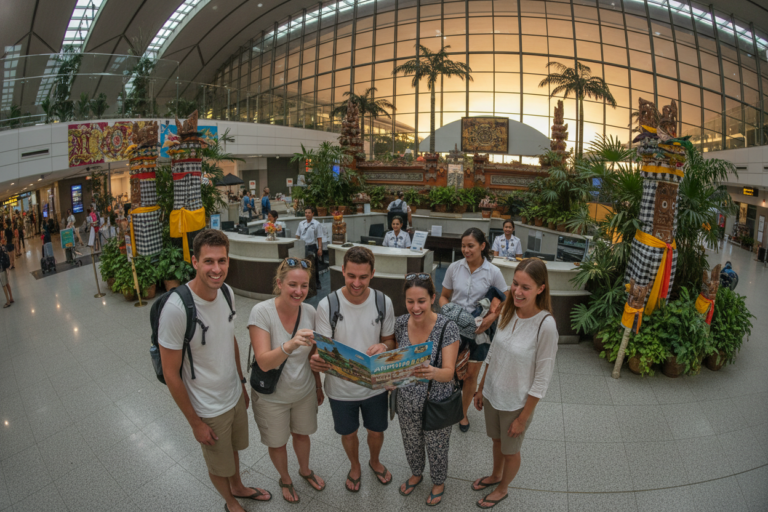
Think of a cruise as a one-stop holiday where you unpack once and your hotel moves with you. Onboard life—meals, kids’ clubs and activities—can be handled while you rest. That ease helps when long Australian travel legs drain energy.
We’ll cover practical planning: cabins, embarkation, onboard routines, meals and port days. Use this guide as a clear checklist so you know where to start and what to expect.
The first day can feel busy. Expect queues and a muster drill. You’re not alone—simple prep makes that day calmer and sets a relaxed tone for the whole trip. Match the cruise to your crew: kids’ ages, energy levels, school timetables and budget matter most.
Big wins: fewer queue headaches, smoother bedtimes, fewer surprise costs and more relaxed days at sea. Save this list, screenshot it and tick items off before you fly or drive. Ready? Let’s get organised. 🙂
Key Takeaways
- Unpack once: a cruise reduces logistics and saves time.
- Plan cabins and routines to match kids’ ages and energy.
- Prep for embarkation day to cut queue stress.
- Budget clearly to avoid surprise costs at sea.
- Treat this article as a practical checklist—save and tick off items.
Plan a family cruise that suits your crew and your calendar
Choosing the right ship and dates makes a huge difference. Match facilities, sail dates and simple rhythms to your children’s needs so the holiday feels effortless from day one. A little planning up front saves stress later. 🙂
Which cruise line really welcomes kids?
Seek true family-friendly choices
Call the line and ask about non-negotiables: a quality kids club, a teen hangout and plenty of easy food options for picky eaters.
Check age cut-offs and session structure
Some clubs start at age 2; others at 3. Carnival Spirit, for example, runs Camp Ocean (ages 2–11) and has a teen area. Princess Cruises’ Camp Discovery accepts ages 3–17 with age-grouped spaces. Confirm sessions so you’re not surprised onboard.
Pick dates for the vibe you want
School holidays usually mean more children and instant playmates. Term time can be quieter — one September sailing had only 10 children onboard. Cheaper fares in term time can trade off against the social buzz kids enjoy.
Arrive early to avoid travel meltdown
Plan to reach the embarkation port the day before, especially when flying internationally. A delayed flight into Barcelona showed why this small extra cost is worth the calm of a guaranteed boarding the next day.
| Feature | Carnival Spirit | Princess Cruises |
|---|---|---|
| Kids club age range | 2–11 (Camp Ocean) | 3–17 (Camp Discovery) |
| Teen space | Yes | Yes |
| Best for | Early-childhood groups and casual dining | Wider age groups and structured sessions |
- Quick prompt: If your itinerary has long transfers, choose more sea days or shorter port stops.
- Think about your child’s personality: structured activities or free play?
Get your ship and cabin right for comfort, space and sleep
Choose a ship and cabin that protect your sleep and give everyone breathing room. Start by weighing big-ship perks against how busy public spaces can feel.
Balance activity and crowd levels
Large ships offer waterslides, mini-golf and an always-on club vibe. That can thrill kids but also mean queues and noise. Smaller ships feel calmer and may suit toddlers and quieter nights. Decide what matters most to you when you get ship ready.
Pick a layout that matches ages
Think about beds, storage and whether upper berths are safe for a young child. Connecting rooms help as kids grow. Watch YouTube room tours to check room size, bathroom storage and how many bunks fit.
Location, fresh air and motion
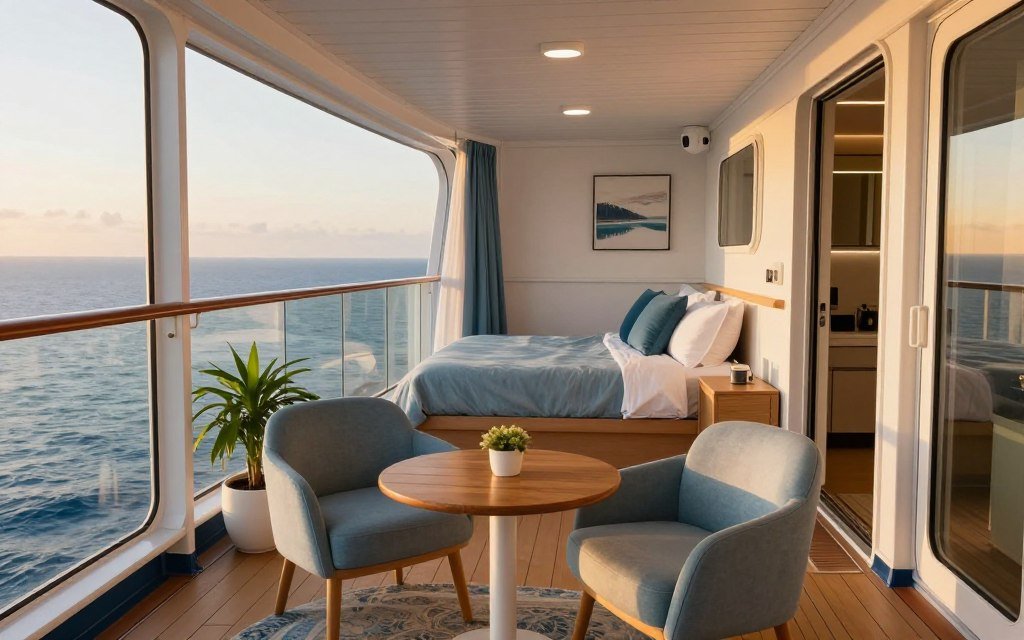
A balcony gives fresh air and a reset space when the ship gets busy. Choose a cabin close to the pool, kids club and dining to cut lift waits. If the sea worries you, mid-ship cabins feel steadier — and chat to a pharmacist about prevention before you sail. 😊
| Consideration | Why it matters | Quick action |
|---|---|---|
| Big vs small ships | Activity variety vs crowd levels | Match ship to kids’ ages |
| Cabin layout | Sleep, storage and safety | Watch room tours; choose connecting rooms if needed |
| Cabin location | Access to pool, club and dining | Book near upper-deck aft or mid-ship for calm |
Embarkation day made easy for families
Crowds and queues are part of boarding day. Expect a busy muster drill and a hectic first lunch service.
Pack a purposeful carry-on. Pop swimmers, suncream, a change of clothes, nappies or wipes and a small comfort item in the bag. That means kids can hit the pool while your main luggage is still in transit.
Carry-on checklist that actually matters
- Swimmers and rashies for immediate pool time.
- Suncream, hats and a light jacket depending on weather.
- Snacks, water and a small toy to handle the muster drill wait.
- Spare clothes and nappies/wipes if needed.
Plan the first meal and the first hour
The buffet is busiest on day one. Try a quieter specialty venue, eat slightly off-peak, or take a quick meal before exploring the ship.
“We kept swimsuits in the carry-on and the kids were in the pool before our luggage arrived — best move.”
Orientation tour mindset: One adult watches the pool while the other scopes dining, kids’ spaces and walking routes. That split keeps you relaxed and speeds up decisions.
| Challenge | Quick fix | Why it works |
|---|---|---|
| Long queues at embarkation | Set realistic arrival times and bring snacks | Keeps kids calm and avoids meltdowns |
| Muster drill wait | Pack hats, jackets and water | Comfort during standing times |
| Chaotic first lunch | Book a speciality or eat off-peak | Less noise, faster service and better food choices |
Night one strategy: Keep dinner simple, avoid overbooking and aim for an early-ish bedtime after a big travel day. That sets up calmer nights ahead and a happier start to your cruise.
Onboard family cruising tips to save time, money and stress
Small moves on day one make the rest of your cruise far easier. Head straight to the kids club to enrol, tour the space and lock in session times so staff know your child and you know the routine.
Use the daily program or ship app as your family command centre. Map activities, games and shows each morning and highlight must-dos with a highlighter. Carnival’s app and Princess’ Camp Discovery schedules make planning simple.
Switch phones to airplane mode once you’re in international waters to avoid surprise roaming charges. Use ship Wi‑Fi for messages only when needed.
Pack small helpers: Post-it notes for quick messages, a European plug adapter, lanyards for room keys and a watch for meet-ups when clocks are scarce.
Reduce costs and chaos: disable kids’ onboard purchases at reception and pick an off-peak slot for hot tubs or sports courts to dodge crowds.
| Problem | Simple fix | Why it helps |
|---|---|---|
| Lost room key | Lanyard and safe spot in room | Fewer interruptions and no extra charges |
| Too-busy pool deck | Visit early morning or late afternoon | Quieter space and faster service |
| Seasickness or illness | Pack meds, ginger snacks and hand sanitiser | Less discomfort and fewer germs |
For extra planning ideas on managing kids on board, see cruising with kids.
Make meals work for kids, not against them
Meal times can make or break a good night on board — plan them around the kids’ calendar. Check the weekly program before you lock in dinner reservations so children don’t miss craft sessions or shows.
Match dinner to the schedule. If a big kids’ event runs at 6pm, book earlier or later dining that night. Save speciality dining for an evening when kids are in club care or for an adults-only night.
Buffet strategy that reduces chaos
Avoid peak times. Eat slightly off-peak and split roles: one adult finds seats while the other collects plates.
Head for reliable stations — rice, pasta or a well-run Asian/Indian counter — rather than doing a stressed lap. Walk to quieter sides of the buffet for calmer seating.
Prioritise informal dining on busy port days
Quick-serve spots like pool grills and pizzerias are gold on long shore days. They give flexibility if someone is tired and let you get to bed earlier for the next port.
“We ate earlier most nights and saved long dinners for when we could leave the kids with club staff — simple and much happier.”
- Practical win: line up meal times with kids’ sessions so you’re not torn between dinner and a must-see activity.
- Keep most nights short; save long meals for special evenings or adults-only moments.
For more planning ideas on syncing meals and activities, see cruise meal hacks.
Maximise port days and shore tours with kids
Smart shore planning turns a rushed stop into a relaxed, memorable day for everyone. Research each port’s location, not just its name, so you know how long transfers really take.
Check transfer times before you commit
Some berths sit a long way from main sights. For example, Livorno to Florence took two hours each way — a four‑hour round trip that exhausted a small child.
Choose shorter transfers or nearby beaches when the trip would otherwise be mostly time on buses.
Book tours early and pick morning starts
Shore tour spots fill fast. Book ahead to avoid morning scrambles and sold‑out options.
Morning tours work best — kids are fresher, naps fit later, and you get buffer time if delays happen.
Simple day‑pack that keeps you mobile
Pack light and reachable: water, small change, swimmers, reef shoes and sunscreen.
A compact bag beats a heavy load — you’ll notice the difference by the pool or at a busy market.
- Think like an organiser: keep essentials accessible and minimise what you carry.
- After a big shore day, plan an easy dinner and a calm night onboard so the next sea day isn’t a slog.
Conclusion
Simple routines on day one unlock better nights, quieter pool time and less spending.
Start by arriving the day before if you can. That one choice reduces embarkation risk and stress.
Sign children into the kids club early and use the ship app as your planning hub. Turn phones to airplane mode to protect your budget and avoid surprise roaming.
A balcony or smart cabin location gives you a calm room for naps and downtime. Keep a lanyard for the room key and disable kids’ onboard purchases to cut impulsive spends.
Safety basics: pack seasickness prevention, hand sanitiser and a clear meet-up plan with a watch or quick notes.
Save this short checklist—choose dates, shortlist ships, compare cabins and club options, then book. For an extra planning resource, see our planning guide.