Elephant encounters today mean more than selfies. They are about watching, learning and choosing activities that keep animals calm and safe. You’ll get a clear, mobile-friendly guide to what to do on the day, how to plan ahead and how to pick operators that respect wildlife.
Many Aussies book wildlife trips on the move, so this section stays scannable and practical. You should expect two main goals: your safety and the welfare of the animals. Even calm-looking elephants can change direction fast, so distance-first viewing is key.
Ethical lines are simple. No-touching rules, calm group behaviour and distance-first viewing usually make the best outcomes for people and animals. Destinations like Elephant Nature Park use a no-touching policy because contact can stress the animals.
We’ll flag red-flag activities later, and show better conservation-positive options you can choose. Want to know what to do if an elephant changes direction toward you?
Key Takeaways
- Prioritise distance-first viewing and calm group behaviour.
- Choose operators with no-touching policies and clear welfare standards.
- Plan ahead and book on the move using mobile-friendly info.
- Your choices can shift the industry toward ethical wildlife experiences.
- Later sections will cover red-flag activities and better alternatives.
Why elephant encounters can turn risky fast
Close-up moments with these animals can feel special — and suddenly unsafe if things change. Small misreads of distance, angle or herd movement can escalate risk in seconds, especially on narrow tracks or near water.
Wild versus managed: a quick comparison
Wild elephants are fully self-directed. They make choices on feeding, travel and defence. In a national park you get guided buffers, but the animals still lead the moment.
Sanctuary or park settings reduce some risks with rules and guides. Yet training or fences don’t remove unpredictability. Even trained animals remain wild at core.
Why “gentle giants” need space, time and respect
The “gentle giants” idea is true in tone but risky in practice. They can be calm and curious, but they are powerful and have long memories.
- Your movement and noise change behaviour fast.
- Heat or feeding rhythms during the day shift mood and tolerance.
- When unsure, give space and let the animal choose the way out.
“Intimate and educational” moments still need structure and guide control.
If you’ve ever edged closer for a photo, this is for you. Pause, step back and remember: distance-first keeps both people and animals safer.
What to do immediately during elephant encounters
If you find yourself close to an animal on a walking tour, the next few moments matter more than the photo.
Right now checklist:
- Breathe slowly and lower your shoulders.
- Soften your posture and slow every movement.
- Put space between you and the herd without turning your back.
Keep distance and clear access to water
Distance reduces pressure on the herd and gives you time to read changes in behaviour. Never stand between animals and any water source or block a committed walking path.
Watch herd dynamics
Scan for calves and protective mums. Crowding or pushing can spike stress fast. If a younger animal looks upset, back away calmly.
Safe retreat and following your guide
Move back at an angle. Keep soft eye contact without staring. Let the animals decide pace and direction.
When a trained guide says “stop”, “back up” or “stay behind me”, follow instantly. No debate, no filming first. This keeps people and elephants safe.
You don’t need to win the moment — you need to end it safely for everyone.
| Situation | Immediate action | Why it works |
|---|---|---|
| Sudden herd movement | Stop, breathe, step back at an angle | Gives space and time to react |
| Near water or a trough | Never block access; move sideways away | Keeps animals from feeling trapped |
| Calves present | Increase distance, avoid loud noises | Mothers protect young; distance lowers stress |
| Guide issues a command | Obey immediately | Guides manage risk and herd behaviour |
How to read elephant behaviour before it escalates
You can read an animal’s mood by how it stands, moves and breathes. Start with calm observation. Let the herd show you the rhythm of the moment. 😊
Stress signals to recognise early
Look for tension: stiff legs, quick changes of direction, or sudden bunching up. These are early “I need space” signs.
Fast snorts, tail flicks and constant scanning also warn that stress is rising. Back away slowly and keep exits clear.
Comfort behaviours that can look intimidating
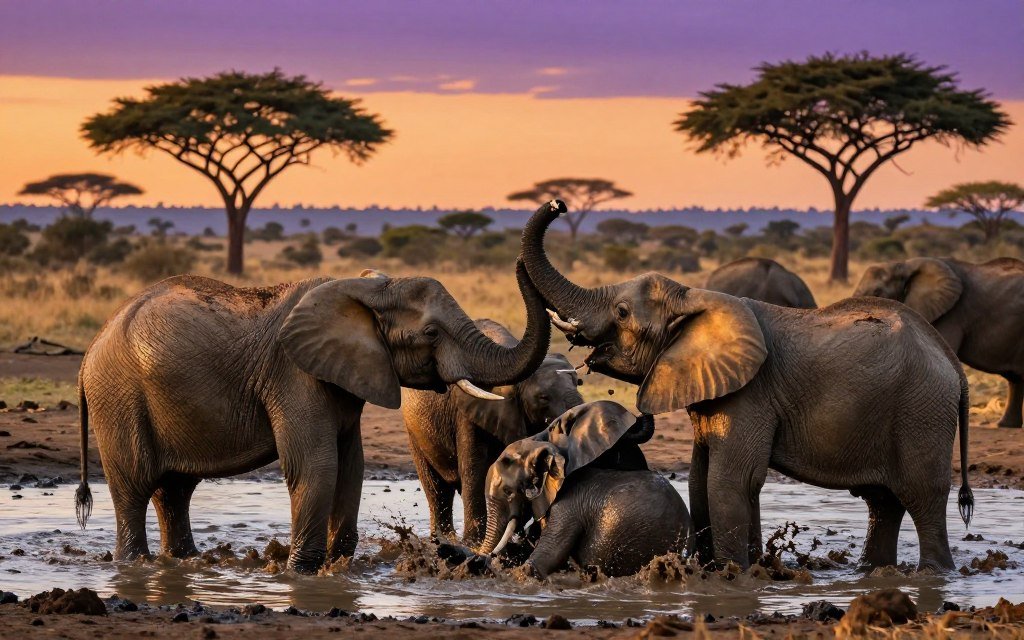
Not every big movement means aggression. Dust bathing, trumpeting or bold body-shakes are often self-care. When an elephant throws dirt, it is acting like natural sunscreen and insect shield.
Why mud and water time matters
Mud cools through evaporation, soothes skin and reduces itch. Water sessions are social play and bonding time. Tourists joining in can break social routines and raise disease risk.
Observe. Give space. Understanding behaviour protects welfare and stops animals being pushed into performing for photos.
| Behaviour | How it looks | What it means |
|---|---|---|
| Stiff posture | Rigid legs, fixed gaze | High alert — increase distance |
| Dust bathing | Dirt tossed over back | Self-care: sunscreen and insect barrier |
| Mud wallow | Rolling and coating skin | Cooling, calming and soothing |
| Pool play | Splashing and linked trunks | Social bonding — watch, don’t join |
Planning a safer encounter time and setting
Timing your trip matters: cooler hours often bring better behaviour and clearer viewing. Early morning tours tend to be calmer because animals follow feeding routines and temperatures are lower. For example, Elephant Nature Park half-day trips often start at 9am and many visitors pick the morning slot for feeding time. 😊
Early morning versus afternoon — what changes during the day
Early morning or late morning slots usually mean less heat and quieter behaviour. Wild Horizons lists morning windows from 6:30–9:30 and 9–12. These times can reduce stress for animals and give you softer light for photos.
Afternoon tours and hotter parts of the day can increase agitation. Afternoon trips often show more restlessness and short tempers, especially on busy days.
Group size, noise and how your people presence affects animals
Smaller groups create less scent and sound pressure. Fewer people mean calmer walks, fewer sudden movements and a lower chance of surprising the herd.
If you’re travelling with kids or nervous people: choose calmer times, shorter walks and tours with clear briefings.
Choosing viewing spots that keep a respectful buffer
Pick places with room to step back and avoid bottlenecks. Give clear lines to exits and open space so animals can move freely.
- Buffer planning: always keep an exit path and avoid standing between animals and water.
- Book ahead: ethical venues fill fast in school holidays — don’t rely on last-minute walk-ins.
- Best experience: less interaction often equals more relaxed, natural behaviour to watch.
Choose the right time and the right group size — and you’ll see calmer animals and a safer trip for everyone.
What to bring on an elephant encounter walking tour
A well-planned kit makes your walking trip calmer, safer and better for the animals you’ll watch. Pack light, but think practical for sun, mud and uneven trails.
Sun and heat protection for Australian travellers
Wide-brimmed hat, high-SPF sunscreen and plenty of water are non-negotiable. Early morning trips are cooler, but the sun still hits hard once the day warms up.
Footwear and clothing for mud and short hikes
Choose closed-toe walking shoes with good grip. Mud and river edges are common, so traction matters.
Wear breathable long sleeves and pants for sun and mozzie protection. Pack a light rain layer in wet-season places.
Binoculars, camera etiquette and insect repellent
Binoculars are the ethical upgrade: they let you stay back while seeing fine detail. Carry a camera but follow etiquette—no flash, don’t step forward mid-shot and never block a path for a reel.
Bring proof of booking and any fees (Wild Horizons notes a US$10 conservation fee) so admin doesn’t interrupt the safety briefing by your guide.
Pack for comfort, respect and flexibility—good gear helps you enjoy the trip and keeps animals calm.
What ethical elephant sanctuaries do differently
Good sanctuaries put welfare before spectacle, and you can see the difference in how animals live day to day. The best sites design routines around recovery, not performance.
No-touching policies are common at places such as Elephant Nature Park. These rules lower stress, cut crowding and stop overstimulation. Staff keep visitors at a respectful distance while still offering meaningful observation.
Rescue, rehabilitation and long-term care
Many residents arrive elderly, injured or orphaned from logging, circuses or street begging. A true nature park focuses on rescue and rehabilitation with vets, ongoing treatment and tailored diets.
As a memorable fact: residents may eat around 50 kg of fruit and vegetables daily as part of their broader diet. That gives you a sense of real care costs.
Protecting natural behaviour
Ethical venues prioritise roaming, social time, mud and water sessions. Foraging dominates the day, which is vital for mental and physical health.
Staff build trust with food, but they avoid turning feeding into a noisy show. Short walks in forest and grassland let residents choose where to go and who to spend time with.
Why the visitor’s role matters
When you pick a verified nature park or care centre, your booking funds rehabilitation rather than exploitation. Your choice supports long-term care and natural environments.
“Welfare first, visitor second” is the simplest test of an ethical sanctuary.
| Feature | What ethical venues do | Visitor impact |
|---|---|---|
| No-touching policy | Strict viewing distances and clear briefings | Less stress and safer visits |
| Rehabilitation focus | Vets, tailored diets, long-term housing | Funds go to recovery, not rides |
| Natural behaviour | Foraging, roaming, mud/water time | Animals stay healthy and social |
| Ethical feeding | Supplemental food used to build trust, not perform | Calmer interactions and no staged shows |
Want a practical vetting step? Check this guide on how to identify ethical wildlife parks and sanctuaries for deeper tips and questions to ask before you book: ethical wildlife park checklist 😊
Experiences to avoid, even if the reviews look great
C: Bright photos and five-star ratings sometimes mask training, stress and long-term damage.
Look beyond praise. Ask what the animals must do to earn that perfect photo. Glowing reviews don’t prove good welfare.
Riding and load-bearing
Riding seems traditional, but these animals aren’t built to carry people long-term. Saddles and repeated loads cause spine and foot problems. Training to allow rides often uses force.
Bathing and shared water
Tourist bathing may look loving, yet it can break social bonds and stress herds. Shared water gets polluted and spreads disease. Mud and water time should be left to the herd.
Circuses, performances and training
Shows rely on fear-based methods. The performance hides the harming practices used to create obedience. That abuse causes lasting trauma and abnormal behaviours.
Baby interaction and separation
Direct handling of calves interrupts learning and bonding. Early separation builds human dependence and harms social skills.
“Elite” dung coffee
Producing novelty coffee from droppings treats animals like factories. It alters diets and can harm digestion. Prefer suppliers that don’t monetise living beings.
Even well-rated places can use risky practices. Your choice matters.
| Activity | Why to avoid | Quick alternative |
|---|---|---|
| Riding | Spinal and foot damage from weight and saddles | Distance-first observation and walking tours |
| Tourist bathing | Disrupts bonding; hygiene and disease risk | Watch mud/water time from a safe distance |
| Circus shows | Training via fear; lifelong trauma | Visit rehabilitation parks with no performances |
| Calf handling | Separation and stalled learning | Observe calves with guides; no-touch rules |
| Dung coffee | Exploits diet; treats animals as product | Choose ethical coffee and fund sanctuaries |
Avoid list you can screenshot: riding, tourist bathing, performances, calf petting, dung coffee. For vetted options, see this ethical wildlife guide. 😊
Understanding the hidden cruelty behind phajaan
Behind glossy images, a practice called phajaan has a harsh, hidden history. In plain terms, phajaan means “crush” — breaking a young animal’s spirit so it will obey for rides, shows and close-contact tourism.
What “crushing” involves and how it links to riding
How it works: handlers may use chains, cages, hot implements, or beatings until an animal submits. Reported methods include physical restraints, starvation, sleep deprivation and repeated strikes.
Why trauma lasts for years
These animals remember harm for many years. Even after rescue, individuals aged 50 or 60 years old can flinch at crowds, sticks or loud noises. Polly at ENP, for example, is around 60 years old and shows long-term effects from past mistreatment.
If this is hard to read, that reaction is normal — and it shows why ethical choices matter.
How you can help: prefer distance-first, no-touch venues and avoid any activity that asks animals to perform. Your booking choices steer money away from cruel practices.
| Issue | Typical signs | Visitor action |
|---|---|---|
| Phajaan history | Broken behaviour, fear responses | Choose verified sanctuaries |
| Physical methods | Scars, flinching | Avoid rides and shows |
| Long-term trauma | Reaction lasts for years | Support rehab and distance viewing |
For wider context on how tourism affects animals, see the global wildlife tourism effects. Next, we’ll cover where to see animals responsibly in the real world.
Where to see elephants responsibly in the real world
Not all parks and care centres are equal. A quick check before you book helps you choose trips that fund rehabilitation and real conservation. Pick examples below as starting points for your research — standards change, so always confirm welfare rules on the booking page.
Chiang Mai options and ethical care centres
Elephant Nature Park in Chiang Mai is often recommended for its rescue and rehabilitation focus and strict no-touching policy. Other Thai care centres, like Boon Lott’s Elephant Sanctuary, also prioritise long-term welfare over shows.
Kenya: orphan rescue and monitored rehab
Sheldrick Wildlife stands out for orphan rescue, bottle-feeding and careful development toward release. Visitors can watch babies being fed and playing under strict supervision — a visit that supports rehabilitation and ranger work.
National parks and distance-first viewing
National park sightings are a gold standard. Staying in vehicles, following ranger rules and never blocking paths lets wild animals keep control of their space.
“Visit support matters: your booking funds care, rangers and long-term conservation.”
- Check operator pages for welfare rules before you pay.
- Prefer nature park visits and verified care center programs.
- In parks, stay in vehicles and follow ranger instructions.
Quick tip for Aussie travellers: if a tour reveals its rules only after payment, walk away. Choose places that state welfare and rehabilitation policies up front.
How to choose a tour that supports conservation, not exploitation
Before you book, learn a few quick checks that separate rescue-first venues from show-driven ones. A short chat with an operator tells you a lot. Use these simple questions and signals to pick experiences that fund care, not harm.
Quick questions to ask before you book
- Can I touch?
- Do you allow bathing or forced contact?
- Do visitors walk alongside animals or stay at distance?
- How is feeding managed?
- What happens if an animal chooses to leave?
How to read their answers
Ethical operators refuse guaranteed selfies and emphasise animal choice, safety briefings and limits on group size. If they promise constant contact, that’s a red flag.
Signs a venue funds care responsibly
- Veterinary support and enrichment programs
- Space to roam and strict no-touch policies
- Transparent transition plans after they ended rides
- Clear explanations of ongoing cost and visit support
“Your booking is a vote — spend it where care and conservation matter.”
Accreditations and red flags
Look for GFAS, World Animal Protection endorsements or PATA responsible tourism notes. Spot the red flags: constant performances, baby handling, forced bathing, chains for convenience, or vague welfare claims.
Need more vetting help? See a practical checklist for ethical places to visit: ethical places to visit. Choose the responsible tour — you’ll protect animals and enjoy a calmer, more meaningful experience.
Conclusion
strong, How you act on the day shapes the welfare of animals long after you leave. Keep calm, keep distance and never block water or paths. If behaviour shifts, retreat early and give space.
No-touch rules matter. No riding, no bathing, no performances and no baby-handling protect elephants and keep visits ethical. Let animals keep their agency and routines.
Slow down and watch. The best moments come when you give time and allow natural behaviour to unfold. Smaller groups and cooler windows often mean calmer viewing.
Practical planning: pick the right time, bring the right kit, join small groups and follow your guide without debate. Your booking is a vote for kinder wildlife tourism. 🐘