You’re about to discover five genuinely standout reasons to put scienceworks melbourne on your to‑do list. 👀
This will be a hands-on, curiosity‑led day. You can tailor it for families, couples, students or solo explorers. Expect testing, watching, asking and plenty of doing — not just looking.
We’ll flag the five signposts you’ll explore: the site and setting, the Planetarium, the Lightning Room, the interactive exhibition halls, and the iconic objects and collection. ⚡
This visit is practical and value‑packed. Sessions and special events can sell out, so plan ahead if you want prime time in the big-ticket parts like the planetarium or live shows. 📅
Ready to dive in? Keep reading for clear, friendly reasons to make this museum visit a highlight of your next outing.
Key Takeaways
- Hands-on activities make the visit an active, memorable experience.
- The Planetarium and Lightning Room are must-see ticketed highlights.
- Interactive halls suit all ages — easy to personalise your day.
- Iconic objects and collections add historical depth to the science displays.
- Book sessions ahead to avoid missing popular shows.
Why Scienceworks Melbourne is a must-do museum experience in Melbourne
Step inside a high-energy centre where experiments replace displays. It’s built to get you involved, not to keep you quiet. Perfect if you learn by doing. 😊
A science centre run by Museums Victoria in Spotswood
Operated by Museums Victoria, this site is part of a trusted museum network that includes the Melbourne Museum. That link means consistent standards, clear signage and reliable programs you can book ahead.
Built for hands-on learning, demos and tours
Expect interactive stations, live demonstrations and guided tours. You don’t need a science background to enjoy them. Staff make complex ideas simple and fun.
Industrial-style setting beside the historic Spotswood Pumping Station
The building’s industrial design pairs with nearby heritage engineering. The 1897 Spotswood Pumping Station and its steam engines form an associated exhibit. It adds a real-world layer to the visit — past meets present.
- Great for families chasing active learning.
- Great for adults after engaging cultural outings.
- Great for curious people seeking a different museum day.
Big-screen wonder at the Melbourne Planetarium
Tilt your head back — the Planetarium turns the dome into a wide-open sky that pulls you into the stars. This is the classic “look up” moment of your visit: immersive visuals, deep narration and a theatre-sized sense of scale. ✨
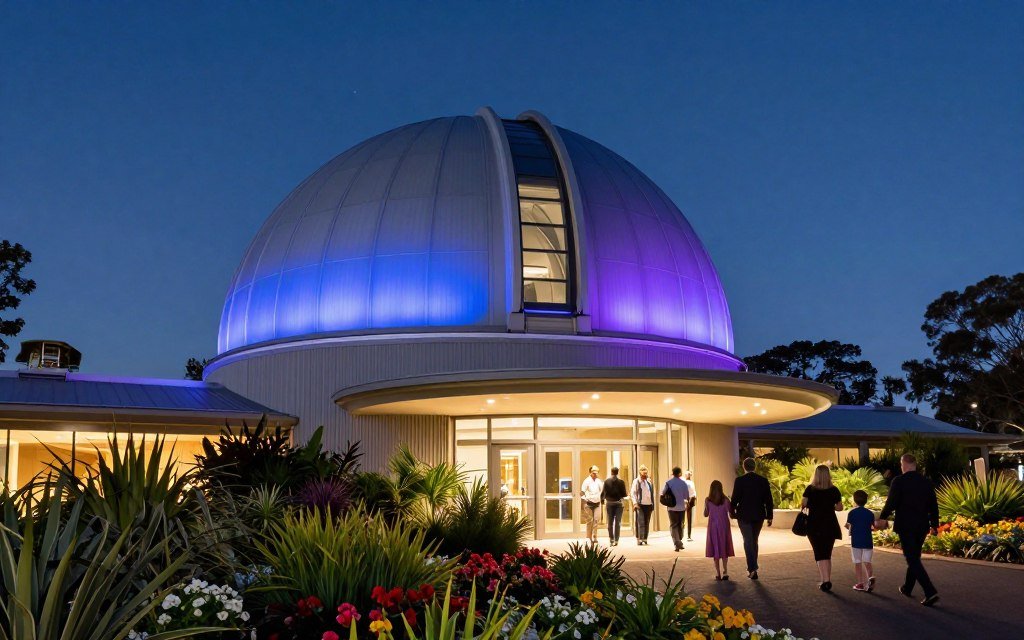
Digital star projection and immersive astronomy shows
Opened in 1999, the Planetarium was the first in the Southern Hemisphere to use a digital star projector. That early adoption explains why the visuals still feel modern and fully immersive.
Plan ahead for Planetarium Nights and special sessions
Shows run in scheduled sessions, so planning your time matters if you don’t want to miss out. Check the Museums Victoria calendar for ticketed sessions and limited runs.
Seasonal programs and festival-style events to watch for
Look for Planetarium Nights, themed screenings and festival events that change through the year. Upcoming hooks include Dome Under Film Festival 2026 and date-night shows like Valentine’s Day Under the Stars (18+).
- Visitor tips: arrive early.
- Check session times before you wander the rest of the museum.
- Book if you visit in school holidays or at peak times.
| Feature | Why it matters | When to plan |
|---|---|---|
| Digital dome | Modern visuals and lifelike star maps | Any scheduled show |
| Planetarium Nights | Adult-focused evenings and themed content | Check Museums Victoria calendar |
| Special events | Limited-run festivals and film nights | Book ahead for festival dates |
See live science in the Lightning Room
Get ready for a heart-pounding demo where electricity becomes theatre. This is the part of your visit most people remember — loud, bright and impossible to ignore. ⚡
The Lightning Room is a seated auditorium show where electricity concepts come alive right in front of you.
High-voltage demonstrations with a giant Tesla Coil
What to expect: a 120-seat venue, a giant Tesla Coil, up to two million volts and lightning bolts around three metres long.
- Memorable live science: sound, light and dramatic reactions make the demo feel cinematic.
- Approachable: you don’t need physics knowledge — presenters turn tricky ideas into something you can see and feel.
- Plan tip: use the Lightning Room as a showtime anchor in your itinerary, then visit hands-on exhibits around it.
“A live demo that sticks with you — the kind of museum experience you’ll tell friends about.”
Safety and comfort: follow staff instructions, and consider noise or light sensitivity for little ones. Museums staff manage the demos carefully so everyone can enjoy the thrill.
Interactive exhibitions that make science click
Here the displays invite you to test, move and imagine, not just watch. The exhibition floor is where you’ll spend most of your visit: hands-on challenges, interactive stations and plenty of “try it yourself” moments that keep you moving. 😊
Think Ahead (opened 5 Dec 2013) explores emerging tech and what the future could look like. It asks big questions in bite-sized exhibits — ideal if you like ideas that feel practical and possible.
Sport and motion
Sportsworks shows how movement, timing and muscle power work. It’s a feel-it-in-your-body zone where kids and adults test speed, balance and coordination.
Seeing the invisible
Beyond Perception (2018) makes invisible forces visible. Expect clever interactives that answer the “how does that even work?” moments.
For little builders
Ground Up (opened 4 Dec 2017) is a sensory space for babies to five-year-olds. It’s bright, safe and designed so little visitors lead the play.
“Hands-on exhibits make learning stick — and make a museum visit feel like play.”
Temporary exhibitions rotate, so check what’s on before you go. Align shows with guided highlights tours, STEM weekend workshops or school holiday programming to get more from your day.
| Exhibition | Focus | Best for |
|---|---|---|
| Think Ahead | Emerging tech and possibilities | Curious adults and teens |
| Sportsworks | Movement, sport science | Active kids and families |
| Beyond Perception | Invisible forces, phenomena | Anyone who asks “how?” |
| Ground Up | Sensory play for 0–5 | Parents with young children |
Plan ahead and see current offers at the scienceworks hands-on museum page to time your visit with the best temporary exhibitions.
Local history and iconic objects in the Scienceworks collection
Historic engines and heritage tech show how past engineering shaped today’s science. The museum’s collection anchors the hands-on fun in real local stories so you’re not only playing with ideas — you’re meeting the objects that shaped them.
Spotswood Pumping Station steam engines
The 1897 Spotswood Pumping Station sits next door and its steam engines act as an associated exhibit. Big machinery, big stories: these engines give a tangible link to the city’s infrastructure past.
The industrial setting makes the display feel authentic. You can easily imagine the engineers and operators who kept the pumps running and the city moving.
CSIRAC — Australia’s early computing story
CSIRAC was transferred from the Melbourne Museum in 2018 and now sits within the Think Ahead area. Seeing this early computer in person gives a simple, compelling arc to Australia’s computing history.
This move from the Melbourne Museum underlines the object’s importance. It’s a rare chance to trace how early ideas turned into the devices we use today.
- The collection ties exhibits to history and makes science feel lived-in.
- Engineering fans should allow extra time for the steam engines and CSIRAC.
- Imagine the people behind the machines — their work still matters now.
“Seeing original objects changes how you understand invention and effort.”
Practical tip: if you’re visiting with a curious teen or a history-loving adult, budget extra time here — these pieces reward a slow look and plenty of questions. For more on the site’s backstory, listen to this unofficial history of the site.
Plan your visit for the best time on site
Smart planning helps you fit the Lightning Room, exhibits and dining into one calm day. A little prep means you leave full of impressions, not tired or rushed. 🙂
Getting here and parking in Spotswood
Scienceworks is at 2 Booker St, Spotswood — handy for map apps and rideshares. Allow extra time on weekends or school holidays; parking can fill fast.
Check the museums victoria website for the latest parking notes and public‑transport options so you arrive relaxed and on schedule.
Accessibility, maps, itineraries and on-site amenities like dining
Use the official maps and itineraries to plan breaks, shows and exhibits. These tools help with prams, wheelchairs or sensory needs and improve the overall experience.
Dining: plan a snack or meal break — it keeps kids and adults energised between the Planetarium and the Lightning Room. See the website for current café hours and seating info.
How to pair this visit with other Museums Victoria venues
If you’re doing a culture weekend, pair this visit with the Melbourne Museum or other museums victoria sites. Split it by interest: a 2‑hour highlights visit if time is tight, or a half‑day deep dive to see more.
For ticket times and program listings — especially Planetarium Nights — check the up‑to‑date schedule on the Museums Victoria website.
“Plan a couple of bookings and you’ll get the highlights without the rush.”
| What to check | Why it matters | Quick tip |
|---|---|---|
| Parking & getting here | Avoid delays and late starts | Arrive 15–30 mins early on busy days |
| Session times | Planetarium and Lightning Room run on set times | Book tickets via the website |
| Accessibility & maps | Plan for prams, wheelchairs or sensory needs | Download maps before you go |
| Dining & rest breaks | Keeps energy up for the full visit | Pack snacks for little ones |
Conclusion
Before you go, let’s pull the highlights into one quick, useful snapshot.
Five reasons to visit: the must‑do venue, the Planetarium, the Lightning Room, the hands‑on exhibitions, and the collection of iconic objects.
You’ll leave curious, more capable and seeing how science shapes daily life. That lasting excitement can nudge a hobby or even a career interest — a tiny step toward the future.
This visit suits every style: a quick stop, a family day, a date‑night show, or a deep learning trip. Check what’s on, pick your must‑see highlights, then lock in the best time to go.
Pair it with the melbourne museum for a bigger day of discovery. Need a planning boost? See our Scienceworks Melbourne guide for tips and timing.