You came looking for the real Mount Batur experience. This guide skips the highlight reel and tells you what the early alarm, dark trail and tired legs really feel like. You’ll get clear expectations, practical tips and the honest payoff at the summit. 😊
Mount Batur is an active volcano that many travellers pick when other peaks are off the menu. Most sunrise climbs start around 2:00am and finish well before the day warms up.
We cover booking options, a realistic timetable, difficulty, packing, summit moments and safe descent. This is based on common tour schedules and repeated traveller reports — not a glossy brochure.
By the end you’ll know if this hike suits you, what a good tour looks like, and how to hit the sunrise window without overthinking it.
Key Takeaways
- Expect a very early start and a brisk, short climb.
- This active volcano gives big views but also early alarms.
- We explain booking, difficulty and packing so you can decide fast.
- The summit payoff is real, even if it’s not picture-perfect every time.
- Tips are based on typical tour schedules and many traveller reports.
What the Mount Batur sunrise is really like (the honest version)
You’ll wake before dawn, feel the chill and wonder if the alarm was worth it—then the sky slowly rewards you. mount batur sunrise can feel chaotic and small at first, but it often turns into a sharp, memorable experience.
Why people do it (and why it still feels worth it)
It’s short, intense and iconic. For many, the appeal is a compact challenge with a big payoff: the view, the shared hush, and the sense of achievement. This sunrise hike is a quick escape that fits into a Bali trip without eating the whole day.
The not Instagram-perfect bits
Expect a 2am start, sleepy people and a cold drive. The trail is pitch black, so photos on the way up rarely work. Your focus becomes one foot in front of the other.
“Half-asleep, headlamps bobbing, then the sky shifts from purple to pink to gold.”
Plan for post-hike fatigue. Even if you’re back by mid- morning, don’t schedule anything heavy.
Clear mornings and the real view
When conditions line up you can see a Mount Agung silhouette, Lake Batur and the caldera as the sky changes. If Bali mornings have been clear for 2–3 days, that’s often a good sign to book the mount batur sunrise.
| Moment | Reality | Tip |
|---|---|---|
| Start | 2am alarm, cold van ride | Pack layers and a torch |
| Trail | Pitch black, steady pace | Focus on footing, slow down |
| Summit | Sky turns purple→pink→gold, views of Mount Agung and lake | Arrive early for best spot |
Booking your mt batur sunrise trek from Australia: tours, guides and inclusions
Booking from Australia is easy, but the right pick-up plan makes the whole trip run smoothly. You can lock your spot before you fly or sort it once you land. Either way, pick-up logistics are the detail that changes the whole morning.
Tour vs DIY: DIY sounds flexible. At 2–3am it rarely is. Most travellers choose a tour for reliable transport, local knowledge and less hassle getting to the start.
Why hotel pick-up usually wins
Hotel collection saves brainpower. You skip late-night navigation, arrive with your group and meet a local guide who knows the route and safety waypoints.
Look for these inclusions
- Return transport from Ubud, Seminyak or nearby hotel areas.
- Local guides and torches/flashlights.
- Simple breakfast and hot coffee at the summit.
- Clear pick-up time and contact details.
Platforms, extras and a quick rule
Travellers often book via Klook or GetYourGuide. Check reviews, pick-up zones and exact inclusions before you pay.
| Item | Why it matters | What to check |
|---|---|---|
| Hotel pick-up | Saves time and stress | Confirm pick-up area (Ubud/Seminyak) |
| Local guide | Route knowledge and safety | Guide ratio and language |
| Breakfast & coffee | Warmth and fuel at the summit | Hot coffee included or available |
| Optional stop | Cultural break and extra caffeine | Temen coffee plantation visit |
If you’re staying far (Seminyak), pick a tour that gives clear communication and reliable pick-up times. That decision rule will make the whole trip run smoother and more enjoyable. 😊
What time does the trek start? A real-world Mt Batur sunrise timetable
Plan your sleep as carefully as your pack — the morning timing shapes the whole trip. Below is a clear, realistic timeline so you know when the day begins and ends.
Typical wake-up and pick-up
Expect a very early start. Pick-ups from common hotel areas often leave around 02:00–02:30. Tours set this so groups reach the trailhead in time and people can climb before first light.
Drive times from common bases
From Ubud the drive is about 1.5 hours. From Seminyak allow 2–2.5 hours. Longer drives mean earlier pick-up and later return to your hotel.
Sample on-the-ground schedule
A typical rhythm reported by travellers: 02:00 pick-up; ~03:40 arrive at the start; 04:00 start the hike; around 05:35 reach the summit (1,717m). Descend mid-morning and be back in Ubud around 10:00–10:30 on many tours.
How long it takes and crowd effects
Plan for roughly 1.5 hours up and under an hour down, depending on conditions. In low season you move faster; in peak periods a “line of humans” can add extra hours. Short water breaks happen, but the pace stays steady to hit the sunrise window.
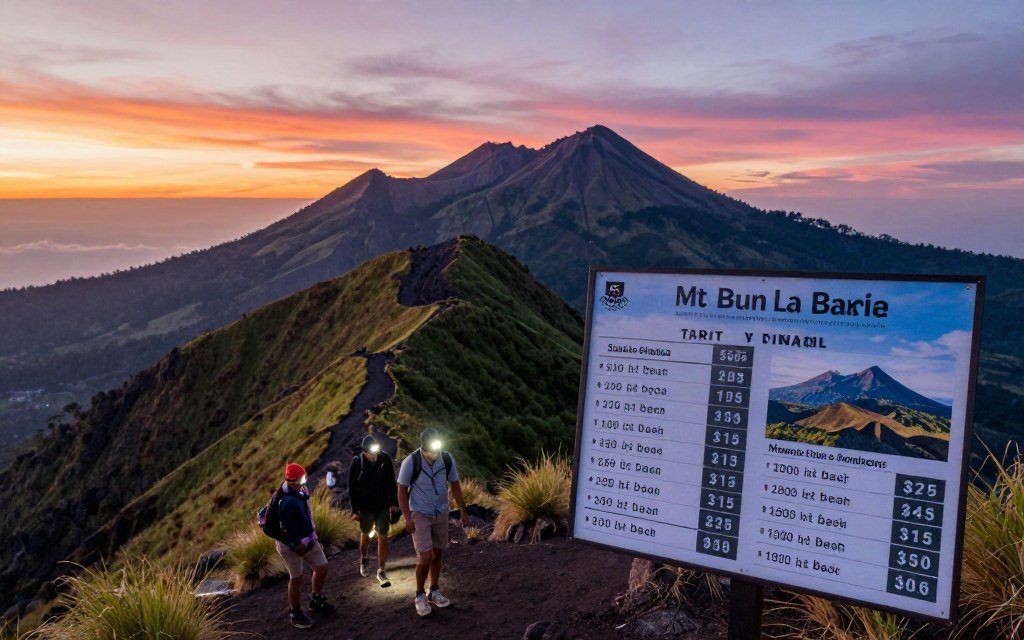
Is the Mt Batur sunrise trek difficult? Fitness, terrain and pace
Let’s be blunt: it’s achievable for many, but it will make you work for it. The climb gains roughly 700m to reach the 1,717m summit. Most of that uphill happens in the dark, so breathing and footing matter more than distance.
Elevation and effort
About 700m of ascent sounds technical but it’s mostly steady. Expect 60–90 minutes of continuous uphill walking. If you can walk uphill for an hour at a steady pace, you’re likely fine for the climb.
Steep pace and group rhythm
Some guides set a “furious” pace to get everyone to the summit for the view. That can make a short hike feel much harder. If you want to slow down, tell your guide—most will let slower people stick closer to the back.
Trail underfoot
Lower slopes are shaded forest paths. Midway the trail can feel like steep steps. Near the top you’ll meet loose gravel and volcanic sand that slips underfoot. Good shoes and careful steps help a lot.
Who it suits
This route fits average-fit travellers and many first-time hikers. Around 98% of people reach the top, but a small number turn back—usually from pace, sore knees or early-morning fatigue.
“Focus on steady steps, not speed. Short rests beat racing.”
- Self-check: can you walk brisk uphill for 60 minutes?
- Strategy: ask guides to slow, take short breathers, and pace your breathing.
- Reality: it’s doable, honest, and worth the summit view for most people.
What to pack for trekking Mount Batur at sunrise (without overpacking)
Bring only what helps: warmth, grip, water and a little cash for summit coffee.
Keep your pack light. You’re out for a few hours, so skip heavy food and bulky gear. A small daypack works best.
Footwear and grip
Hiking boots give ankle support on loose gravel. Sturdy runners or trail shoes can work if they have firm soles.
If you use shoes that are more like trainers, expect less grip on the way down. Test them before the hike.
Layers and sun protection
The climb warms you up, then the top cools fast. Pack a light windbreaker or hoodie you can peel on and off.
Sun protection still matters: a hat, sunglasses and sunscreen will save you on the descent as the day heats up.
Hydration, snacks and cash
Carry enough water to avoid headaches—many travellers suggest around 1–2L. Bottles are often available at the summit or on the way down.
Bring small snacks even if your tour includes breakfast. Carry local cash for summit coffee (~Rp 30,000), treats and a tip (about Rp 50,000 per guide).
Extras that matter
Spray on insect repellent — mozzies can ruin the morning. A headtorch or torch is vital; guides usually supply them but bring a spare if you can.
Phone cameras struggle in pitch black. Save photos for the sunrise and the views after first light.
| Item | Why | Quick tip |
|---|---|---|
| Hiking boots / shoes | Grip and ankle support on gravel | Prefer boots; strong runners are acceptable |
| Water | Prevent headaches and dehydration | 1–2L recommended; buy at summit if needed |
| Layers & sun | Warm for waiting, protection later | Windbreaker, hat, sunscreen and sunglasses |
| Cash & snacks | Coffee, food and tipping | Carry small rupiah notes (~Rp 30k for coffee) |
For more practical advice on timing and guides, see a full guide to trekking mount batur. Enjoy the climb — a little planning goes a long way. 😊
Summit experience: sunrise views, volcano steam eggs and the active volcano story
Arriving at the summit feels oddly calm—breathless, expectant, and ready for the colour show. People spread out, find a rock and the chatter fades as the horizon wakes.
Where you wait and what the sky can do
The sky often shifts from purple to pink to gold. In clear air you can pick out Mount Agung and Lake Batur as the light sharpens. A good view makes the early start feel worth it.
Breakfast on the mountain
Most tours hand out a simple boxed breakfast — fruit, bread and coffee — so you warm up quickly. The famous eggs are often heated in steaming vents near the crater.
Guides show you the cracks where natural heat cooks the eggs. It’s smoky, hot and oddly memorable; definitely part of the summit ritual.
Mount Batur as an active volcano
This mountain is an active volcano with modern eruptions (reported as recently as 2000). Look for black lava fields and raw crater edges — they explain the rugged landscape and add context to the view.
Tip: For a vetted morning option try a sunrise trek and hot springs adventure if you want gear and pick-up handled. The summit experience here is simple, vivid and worth the early alarm. 😊
The descent, safety tips and the best add-ons after your sunrise trek
The way down often asks more of your knees and nerves than the climb did. Loose gravel can slip underfoot, and tired legs make balance harder. Shorten your stride, plant each foot deliberately and follow your guide’s line — rushing is the main cause of slips.
Normalise minor tumbles: some people slide onto their back or butt on the descent. If you’re in runners, expect less grip and move with control rather than speed.
Respect on the way
You may pass a temple and see offerings. Mount Batur is a sacred mountain for local people. Pause, be quiet, and follow your guide’s lead when permission or a blessing is offered.
Wildlife and food
Grey monkeys are cheeky. Keep food sealed and out of sight. Don’t show or hand bananas and avoid encouraging them — guides will help manage any encounters.
“Short steps, steady breathing and respect for the trail make the return almost as rewarding as the summit.”
Hot springs recovery
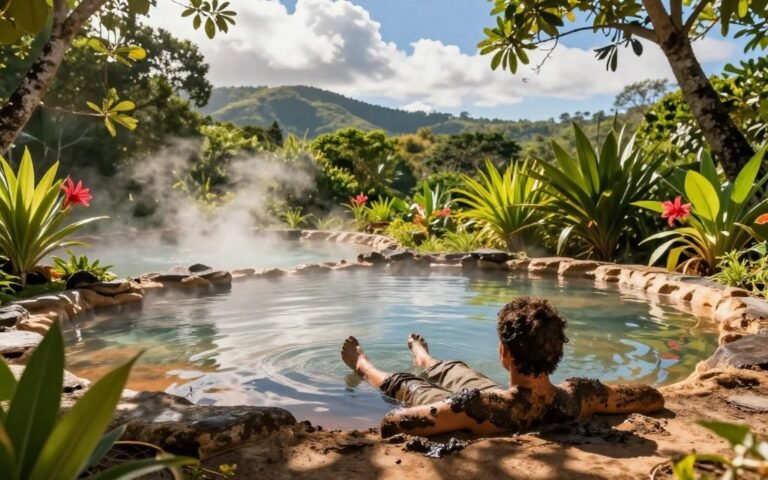
After a long day, a soak at Toya Devasya is a perfect reward. It’s roughly ten minutes from the start area and offers warm pools with lake views — ideal for easing tired legs and reflecting on the day.
| Topic | Quick advice | Why it matters |
|---|---|---|
| Descent safety | Shorten stride, follow guides, use poles if available | Reduces slips on loose gravel |
| Cultural stop | Be quiet, accept guidance, remove hats if asked | Shows respect for sacred sites |
| Monkeys | Pack food away, keep hands free, follow guide | Prevents bites and theft of food |
| Post-hike | Toya Devasya hot springs — allow 1–2 hours | Speeds recovery and relaxes muscles |
Plan recovery and logistics into your day — many groups spend up to two hours at the summit, so factor in time for the soak before booking more activities. 😊
Where to stay for an easier Mt Batur sunrise hike: Ubud, Seminyak or Kintamani
Where you sleep shapes how you feel the next morning. Pick a base that matches your tolerance for early pick-ups, drive time and the rest of your day.
Ubud — shorter drive, easy recovery
Stay in Ubud if you want about a 1.5 hour drive to the trailhead. You get more sleep and can still salvage much of the day after the climb.
Seminyak — party base, very early starts
Seminyak works if you accept earlier pick-ups and a 2–2.5 hour transfer. It’s fine with a booked tour, but expect a longer single day and later return to town.
Kintamani — sleep closer, save hours
Book near the start to wake up later and stroll the lake village. Staying here cuts travel hours, helps if you plan other early activities, and gives a calm mountain vibe.
Quick accommodation examples
- Bali Sunrise Villas
- Batur Volcano Guesthouse
- Black Lava Hostel
Planning note: if your tour includes pick-up, confirm your hotel zone before booking to avoid surprises. For more local tips see this mount batur hiking guide.
Conclusion
That pre-dawn awkwardness often becomes one of those travel memories you keep. The mount batur morning can throw off your body clock, yet many travellers call the view and the shared hush high value for the effort.
Plan well: book a reliable tour, confirm pick-up time, and pick a sensible guide. Keep the rest of your day flexible — post-hike fatigue is real and an afternoon nap is earned.
Do this, not that: wear grippy shoes, bring warm layers, carry water and small cash for coffee and snacks. If you want a doable challenge with a big payoff, this trek or hike fits many people.
If your Bali mornings look clear, lock it in — a sunrise over mount batur is hard to beat. Save the packing list and compare a couple of tours so you book with confidence. 😊