Short on time? This quick guide gives you five simple tips to make your next Aussie trip smoother. Think road trips, beach days and cooler High Country evenings. We keep it practical and friendly so you can act fast.
Who is this for? Parents getting kids ready, mixed-age groups, or anyone flying or driving across Australia. The aim is clear: fewer forgotten items, lighter bags and less last-minute spending.
We’ll walk you through planning by length, weather and activities. Then we give a category checklist, smart ways to streamline, kid-access essentials for hand luggage or the car, destination swaps, and an admin/tech checklist.
Quick action: Open Notes and start a master list now — we’ll trim it together. What’s your biggest pain point — overpacking, kids’ emergencies, or last-minute weather changes? Tell us and we’ll help fix it. 😊
Key Takeaways
- Start with a short plan for length, weather and activities.
- Use a category checklist to speed up decisions.
- Pack light with multipurpose items and smart folds.
- Keep kid-access essentials in hand luggage or the car.
- Swap items by destination — beach versus High Country layers.
- Finish with admin checks: documents, chargers and health items.
Pre-trip planning that makes packing faster and lighter
Spend five minutes planning and you’ll cut items, weight and stress. Start by locking in trip dates, destinations and your accommodation check-in/out time. This stops guesswork and speeds decisions when you build a list.
Lock in the basics
Decide how many days you’ll be away. Use the simple rule: outfits = days + one spare for spills. Note each destination and any special accommodation rules (linen, laundry or storage).
Check weather and match activities
Look at forecasts for daytime highs and cool evenings. If your trip includes hiking, swimming or town exploring, pick shoes and a small day bag to suit those activities.
Factor space, limits and companions
Check flight weight caps and car space. Will a pram, esky or extra bag fit without squashing luggage? Consider kids’ needs, pets and accessibility items so essential gear is easy to reach.
If it doesn’t match your destinations, days, or activities, it doesn’t make the cut. 😊
Packing family holiday checklist by category
Use this copy/paste checklist on your phone to grab essentials in minutes. It’s a tidy packing list you can edit for any Aussie trip. Save it and tick items as you load the car or bag.
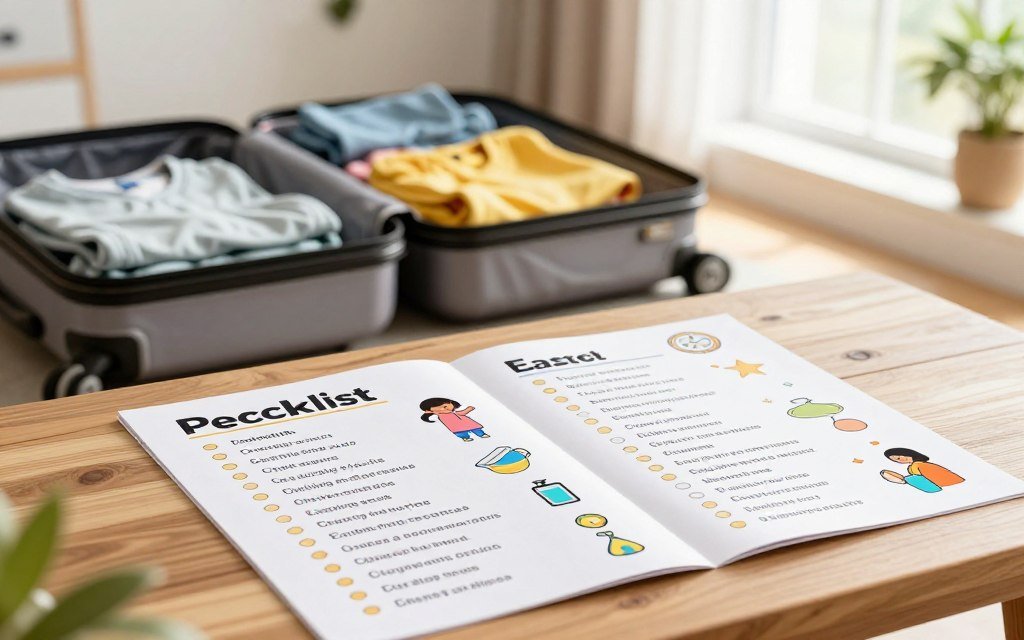
Clothes for adults and kids
Daywear basics: tees, shorts and a light long-sleeve for sun-safe coverage. Add warm layers like a jumper or lightweight coat for cool nights. Pack PJs and an extra set for kids to handle mess or surprise weather.
Shoes and sandals
Use a three-shoe approach: walking shoes for town, sturdy hiking boots if you plan trails, and easy slip-ons or sandals for beach and accommodation.
Toiletries that matter
Bring sunscreen and moisturiser for dry mountain air, plus toothbrush, deodorant, shampoo and wipes. These small items save time and money on the road.
First aid, repellent and food
- First aid kit: prescriptions, pain relief, antiseptic wipes and plasters.
- Repellent and bite cream for outdoor afternoons.
- Food & drink essentials: non-melt snacks, reusable bottles and an esky/cooler bag.
Entertainment
Pack a few books, small board/card games and screen-free activities for downtime or rainy days.
If it’s not used weekly at home or not essential on the day, consider leaving it behind. 😊
How to pack smart without overpacking
Start with one big brainstorm list, then cut it down to what you’ll actually use. Make a master list once and treat editing as the real job. Think: need, not nice-to-have.
Quick method:
- Write everything on one list.
- Remove items you can buy easily at your destination (except meds or comfort items).
- Do a 10-minute trial pack at home, then remove 10–20% before you zip up.
Plan outfits by days
Map tops, bottoms and layers into repeatable combos for each day. Choose fast-dry fabrics so clothes can be reworn after a quick wash. This saves space and makes mornings faster.
Group by purpose
Build mini kits so each bag has a job: beach kit, hiking kit and toiletries kit. When each kit lives in one bag, you grab and go with no rummaging.
“Make a master list, then edit with intention — you’ll travel lighter and stress less.”
| Kit | Contents | When to grab |
|---|---|---|
| Beach kit | Togs, towel, sunscreen | Day trips & warm days |
| Hiking kit | Water, layers, first-aid | Trail days |
| Toiletries kit | All bathroom items, meds | Every stay |
Hand luggage and car-access essentials for travelling with kids
Think of this as your on-the-go rescue kit for the plane and the open road. Keep one clear plan: a carry-on for immediate needs and a car bag for safety extras. That way the small stuff doesn’t become a big problem.
Carry-on must-haves
Quick list: wet wipes, tissues, hand sanitiser and a full change of clothes for each child — and one for you if space allows. Store these in an outer pocket so you can grab them one-handed.
Snacks and comfort items
Pack familiar favourites plus one novelty snack for emergencies. Add easy meals like pouches or sandwiches for a long day. A small teddy or favourite toy helps with naps and calm moments.
Baby and toddler specifics
Include nappies, a changing mat, nappy cream, bottles/formula and a dummy/comforter. Carry a simple medicine you normally use (per your GP/pharmacist) and note where it sits in the bag.
Road trip safety extras
Keep a torch, a roadside assistance kit and a few basic tools in the car. Add a small first aid kit and power bank so you’re ready if the journey runs long or you hit regional roads.
“Split essentials across two similar carry-on bags if adults are on different seats — it avoids a scramble mid-flight.”
Arm’s reach rule: nappies, medications and chargers stay on top or in an outer pocket. For tips on wider trip essentials, see essentials for family travel. This simple setup keeps stress low and the journey smoother.
Pack for your destination and activities across Australia
Match what you bring to the specific destination and planned activities so you can say yes to local adventures. Australia can serve up multiple climates in one trip, so plan to layer and adapt.
Alpine and High Country trips
During the day choose breathable layers. They keep you comfortable while you explore Bright or the High Country.
Evenings need cosy warmth. The climate changes fast, so bring a warm jumper and a packable jacket.
Hiking days
For hiking, take a lightweight backpack, plenty of water and basic navigation tools (map/compass or offline maps).
Also pack weather gear like a rain jacket and a small first-aid kit. Good shoes matter — choose sturdy, non-slip options.
Water and riverside stops
Bring swimwear, quick-dry towels and sun-smart hats. Quick-dry clothes make it easier when kids jump between water and town.
Adventure bookings
For activities such as paragliding or caving, wear durable clothes you can move in and non-slip footwear.
Providers often supply technical safety equipment, but you’re responsible for what you wear.
Food-and-wine weekends
Pack a compact picnic blanket, insulated cooler, reusable cutlery and a portable wine opener.
Optional extras: stemless wine glasses and a tasting journal to track favourites and enhance the experience.
“Right gear helps you say yes to spur-of-the-moment plans — rail trails, riverside picnics or a last-minute walk.”
Quick prompt: look at your booking confirmations — what activities do they imply you’ll need to wear or carry?
For a clear checklist you can customise, see our concise trip essentials list.
Don’t forget the admin: documents, bookings and tech
A quick admin check now keeps a flat tyre or late arrival from turning into a crisis. Treat this as the boring stuff that actually saves your trip. 😊
Travel papers and copies
Carry originals you need: IDs, driver’s licence and insurance papers. Keep separate copies (photo or print) stored away from the originals.
Tip: Put photocopies in your doc pouch and one digital copy in the cloud.
Booking confirmations and emergency contacts
Keep digital confirmations and one offline option (screenshot or printed page). This helps with patchy reception in regional areas.
Make a short list of quick contacts: family, local clinic and your accommodation.
Tech and power
Bring phones, chargers and at least one power bank. Add a camera or GoPro for hikes and water days.
For road trips, include vehicle registration and roadside assistance details in the same pouch.
“One small folder that always lives in the same place stops a lost wallet from spoiling the day.”
| What | Keep | Why |
|---|---|---|
| Documents | IDs, licence, insurance copies | Quick ID and claims |
| Bookings | Digital + screenshot/print | Offline access in regional areas |
| Tech | Chargers, power bank, camera | Stay powered and capture moments |
Doc pouch routine: one small zip pouch that never leaves the same pocket. Quick check: if your phone died now, could you still check in and get help?
For a useful reference, see this travel documents checklist: travel documents checklist.
Conclusion
Finish strong: a quick prep session is the secret to relaxed travel days. Smart planning plus a clear list makes packing for a small trip feel easy, even if you’re short on time.
Keep the five steps in mind: plan first, pack by category, trim to essentials, keep kid-access items close, and match gear to the destination and activities.
Next step: save your master list and reuse it. Each repeat trip takes less time as you refine what you truly need.
Do one last check the night before — weather, bookings and any swaps. Less clutter means more time for beach stops, bushwalks and relaxed meals.
Pack what keeps routines at home — sleepwear and comfort items — so everyone settles faster at night. You’re building a simple system that works for every future holiday. 😊