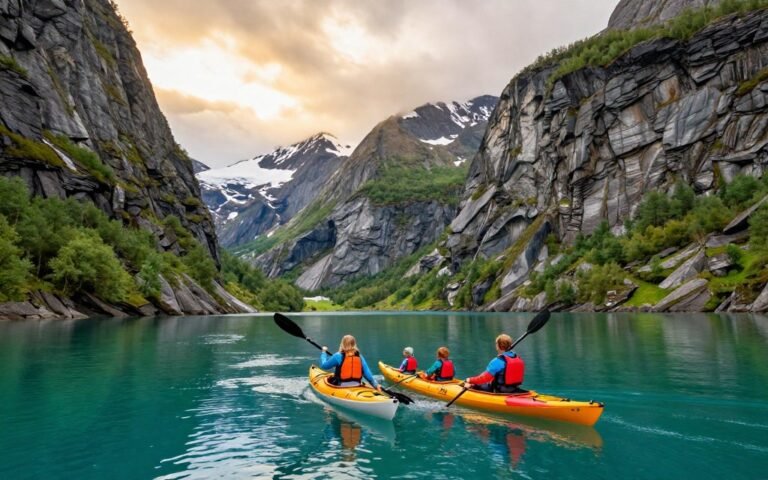
Expect a busy capital vibe with easy access to nature. When your ship docks for a short day, you get a mix of city streets, markets and quick green escapes. This is a practical port guide for Australians who want a calm, doable day ashore.
Plan smart and you’ll enjoy more. Start with a clear choose‑your‑own‑day plan: a relaxed city stroll, the lively fish market, a photo at the Grand Pacific Hotel, or a trip to the rainforest pools for the standout moment. Time on a suva fiji cruise stop is limited, so build buffers to get back to the ship.
Some parts feel gritty compared with postcard islands. That honesty helps you skip the tourist traps and focus on the best bits. We’ll walk you through Colo‑i‑Suva pools, quick shopping tips, Wi‑Fi realities and smart money moves later.
Key Takeaways
- Expect a mix of city energy and easy access to nature for a short day ashore.
- Choose one main plan: city walk, market, historic hotel or rainforest pools.
- Time is tight—allow buffers to return to the cruise ship on schedule.
- Some areas are gritty; knowing what to skip makes the day better.
- Later sections cover pools, shopping, Wi‑Fi and money tips for Aussie travellers.
Quick orientation on arrival at Kings Wharf (Suva)
Arriving at Kings Wharf means you’re almost in the shopping strip before your feet hit the pavement. The port (locode FJSUV) opens straight into town, so you can plan a short, efficient visit without a long transfer.
Where you dock and what’s nearby
Kings Wharf sits beside main streets with cafes, ATMs and simple shops. Head inland a few minutes and you’ll find restaurants, tour desks and the fish market. The Grand Pacific Hotel is an easy walk along the waterfront.
Walking time to the city centre
Expect about a 5‑minute walk from gangway to the start of shops and amenities. Out of the port, follow the waterfront to reach key stops; the fish market is to the left and the hotel to the right as you head into town.
What this largest city fiji is known for
This is the country’s largest city and its commercial hub. Think busy streets, small businesses and government offices rather than resort polish. Why this matters: traffic and urban bustle need time buffers so you’re back onboard easily. Remember to check ship time vs local time before you wander.
| Quick fact | Distance | Nearby | Practical tip |
|---|---|---|---|
| Dock name | Kings Wharf | Shops, ATMs, cafes | 5‑minute walk to town |
| Role | Major port | Fish market, Grand Pacific | Allow buffers for traffic |
How long you’ve got in port and how to plan your day
Start by checking your ship’s arrival and departure times — that single fact shapes everything you can fit into the day. Port windows vary by month and by vessel, so plan with a buffer to avoid a rushed return.
Best approach for a short call versus a full day
Short call (town loop): aim for a simple walking loop — fish market, main street cafes and a quick photo at the waterfront. Keep it within two hours so you’re back with time to spare.
Full day (rainforest + hotel): book a morning drive to the pools, relax at a hotel pool in the afternoon, then return leisurely. This suits longer windows and gives room for travel delays.
What to book onboard vs independent on the pier
Onboard booking makes sense for tight timelines or long drives. The ship will protect you if the schedule slips.
Independent options are great for quick town visits. Vendors wait at the pier and prices are usually negotiable, especially for small groups. Ask for a fixed fare and confirm pickup time.
- Tip: build a 60–90 minute buffer for reboarding.
- Checklist: weather, mobility, comfort with independent transport, value of flexibility vs certainty.
- Examples: Queen Anne, Celebrity Edge, Carnival Luminosa, Celebrity Solstice and Island Princess often publish differing port windows — check yours early.
Weather, temperatures and the best time to pack for Suva
Weather flips quickly — sun, humidity and sudden downpours can arrive in an hour. That makes smart packing the difference between a pleasant town walk and a soggy return to the ship.
Typical conditions year‑round
Expect warm days with temperatures typically between 24–30°C. That feels hot while walking in the sun and pleasantly cool under forest shade.
Rain and tropical storm notes
Light rain can fall any month. Tropical storms are more likely from September to November. For that period, start early and carry a poncho and dry bag.
What to wear
- City outfit: breathable shirt, hat, comfy walking shoes and a light rain layer that fits a daypack.
- Rainforest outfit: swimmers underneath, grippy shoes that can get wet, and a quick dry change for the return.
- What not to pack: bulky gear or heavy fabrics you’ll regret in humidity.
| Item | Why | When | Tip |
|---|---|---|---|
| Poncho / light rain jacket | Keeps you dry in sudden showers | Year‑round; especially Sep–Nov | Pack in daypack |
| Breathable shirt | Stops you feeling clammy | Daily town wear | Prefer quick‑dry fabrics |
| Grippy footwear | Safe on wet trails and pools | For rainforest outings | Can double as water shoes |
| Dry bag | Protects valuables from downpours | High‑rain months | Keep tickets and phone inside |
Getting around Suva city from the cruise ship
The terminal is minutes from the heart of town, so a walk usually wins for short visits. Take a walk-first approach and you’ll reach shops, cafés and ATMs fast.
Walking routes: shops, restaurants and essentials
Start with a simple loop. From the gangway it’s roughly a five‑minute stroll to the main strip. That makes quick shopping, grabbing a snack and finding an ATM easy and efficient.
Stick to the waterfront direction for a clear route. Keep your wallet and phone secure, and use shady streets to avoid midday heat.
Taxis for quick hops (and when they’re worth it)
Taxis are cheap for short hops and save time if your all‑aboard window is tight or you want to skip a sweaty walk. A short fare to the Grand Pacific Hotel can be around FJ$2.
Ask if the price is per car or per person, then confirm before you climb in. Paying small notes speeds things up when you’re short on time.
Negotiating independent tour prices at the pier
Independent vendors will offer pier tours; many prices are negotiable. Start by asking the price up front and then suggest teaming up with other passengers to split costs.
“How much for a half‑day to the rainforest pools?”
Use that line, then ask: “Is that per person or per car?” If possible, pay in local currency to avoid exchange markups. Keep small coins handy for taxis and quick buys. 🙂
suva fiji cruise stop highlights you can do without a tour
A loose plan, good shoes and curiosity are all you need for a satisfying city sampler. You don’t need a guide to enjoy a calm, authentic day ashore.
Suva city stroll: small businesses, bars and local atmosphere
Walk a simple loop from the pier. Browse small shops, duck into busy bars and chat with stallholders. Look for places that are busy with locals—those often serve the best value food and drinks.
Easy waterfront views near town
Take a short waterfront breather for a photo and some shade. A 10–15 minute pause gives a clear view without a long trek.
- Quick plan: 90–120 minutes for a sampler.
- Time tip: set a firm turnaround and leave a 60–90 minute buffer.
- Local hack: buy from busy vendors for fresher bites and fair prices.
| Activity | Approx time | Why it’s worth it |
|---|---|---|
| Market browse | 30–45 min | See everyday life and try cheap snacks |
| Local bar or cafe | 20–40 min | Good-value drinks and people-watching |
| Waterfront pause | 10–15 min | Easy views with low effort |
Rainforest adventure to Colo-i-Suva: waterfalls and freshwater pools
If you want a true nature hit in a short time, Colo‑i‑Suva delivers crisp rainforest air and cool pools. This forest park is the don’t‑miss option for a natural day away from the town strip.
Why this beats a shopping loop
Cooler air, real jungle sounds and clear freshwater dips under waterfalls make the walk worth it. Even a short trip here feels like a deeper escape.
Drive time and simple pool plan
Expect about 30–35 minutes from the port, but allow up to 50 minutes with traffic. Start at the upper car park and walk downhill. That way you end with the best waterfall pool and avoid a tiring uphill push.
Rope swing and safety
There’s a rope swing at the lower pool. Watch locals first, check depth and rocks, and don’t jump if you’re unsure. Leave valuables on the side in a dry bag.
- Packing checklist: towel, bug spray, swimmers, grippy wet shoes, dry bag and sunscreen.
- Pools to prioritise: save your main swim for the big waterfall pool; explore more if time allows.
- Tours and prices: ship tours give convenience; pier deals can cut per‑person prices when you share a car.
| Item | Note | Tip |
|---|---|---|
| Drive time | 30–35 min (can be ~50) | Plan a 60–90 min buffer |
| Trail condition | Slippery/muddy | Grippy shoes recommended |
| Best strategy | Start high, walk down | Finish at the main waterfall pool |
Grand Pacific Hotel by day: pool, Wi‑Fi and a classic Suva stop
If you want a gentle reset from city bustle, the Grand Pacific’s lawns and pool are an easy, classic choice.
Getting there: walk or taxi
Head right from the port through town for a 15–20 minute walk along the waterfront. It’s pleasant in the morning and gives you views along the way.
If you’re short on time or heat is high, grab a taxi for roughly FJ$2 and be at the hotel in minutes.
Pool access and what you get
Pool day access is around FJ$20. That usually includes use of the pool area and basic sunbeds.
Buying a snack or drink will often get you complimentary Wi‑Fi for messages and socials. It’s good for light browsing, not large uploads.
Happy hour and typical drink prices
Happy hour runs 4–6pm. Cocktails fall from about FJ$18 to FJ$12 then, and Fiji Bitters is about FJ$6.
Use these prices to decide whether a late afternoon visit or a relaxed lunch suits your day.
- Why it’s classic: heritage hotel vibe, waterfront side position and a calm spot to reset from busy streets.
- Make it work: if your ship sails early, aim for lunch + Wi‑Fi; if later, plan for happy hour.
| Feature | Cost | Notes |
|---|---|---|
| Pool access | ~FJ$20 | Pool, sunbeds; towels may be extra |
| Taxi from port | ~FJ$2 | Quick option in heat or on a tight schedule |
| Cocktail (happy hour) | FJ$12–18 | Best value 4–6pm |
| Beer (Fiji Bitters) | ~FJ$6 | Good, cheap local choice |
| Wi‑Fi | Complimentary with purchase | Good for socials; not for big uploads |
Tip: this option fits neatly into many itineraries — think Queen Anne, Celebrity Solstice, Celebrity Edge, Carnival Luminosa or Island Princess calls — and gives a predictable, comfortable side plan for a port afternoon. 🙂
Suva Fish Market: the easiest local stop near the port
A quick turn off the pier drops you into one of the city’s most authentic slices of daily life. It’s a short, sharp taste of local culture that takes hardly any time.
How to find it in minutes from the ship
Walk out of the port and turn right before the main street. It’s roughly a three‑minute stroll. Yes—you’ll likely smell it first. That’s part of the experience.
What you’ll see and how to be respectful with photos
You’ll see the day’s catch on display, quick bargaining and the rhythm of a working market. Fishermen are typically friendly and will often pose if you ask.
Photo etiquette: ask first, smile and say “Bula”. Don’t block workers or touch the produce while they handle sales.
- Mini‑adventure: starts almost immediately after you step off the ship.
- Comfort tips: closed‑toe shoes, hand sanitiser and tissues for quick cleanups.
- Value: even if you don’t buy, it costs nothing and gives a true local snapshot of food and prices.
| Feature | Walk time | Why go |
|---|---|---|
| Location | ~3 minutes | Authentic market vibes |
| What to expect | Short visit | Fresh catch, local sellers |
| Practical tip | Wear closed‑toe shoes | Hand sanitiser recommended |
Food and drink to try on a cruise stop in Suva
Menus favour fish and Indo‑Fijian classics, so ordering with confidence is quick and rewarding. Seafood is everywhere—look for simple grilled fish plates, coconut‑based sauces and fried reef fish as default winners.
Fijian‑Indian flavours made simple
Curry, roti and cassava appear side‑by‑side with fish because the island’s communities shaped the food scene. Try a mild fish curry with roti or cassava chips for a balanced meal that stays light on a busy day.
Quick wins: juice, beer and snacks
Fresh juices and smoothies—mango, pineapple and papaya—are perfect for the heat and cheap from street vendors. For drinks, order a local beer like Fiji Bitters; it’s the common, easy choice on menus.
Kava: taste and travel tips
Kava is ground root mixed with water. Expect a slightly bitter flavour and a numb tongue followed by a relaxed, mellow feeling. Try it at a market or a kava bar if you’re curious.
Bringing kava home: factory‑sealed packs are safest for Australia and New Zealand—keep receipts and check biosecurity rules. Loose market bags often won’t clear customs, and prices can vary between markets and shops.
- Order seafood or a simple fish plate for an easy, tasty meal.
- Grab a smoothie for hydration while you walk.
- Paying in local currency can help avoid tourist exchange markups on small purchases.
- If time is short, pick a grab‑and‑go vendor near the port or a sit‑down meal if you have longer ashore.
For more practical tips on what to do when in port, see our port guide.
Shopping and souvenirs in Suva city
Bright Bula shirts and local oils make great, lightweight gifts you can grab in an hour or two. They’re colourful, easy to pack and widely sold around the main shopping streets.
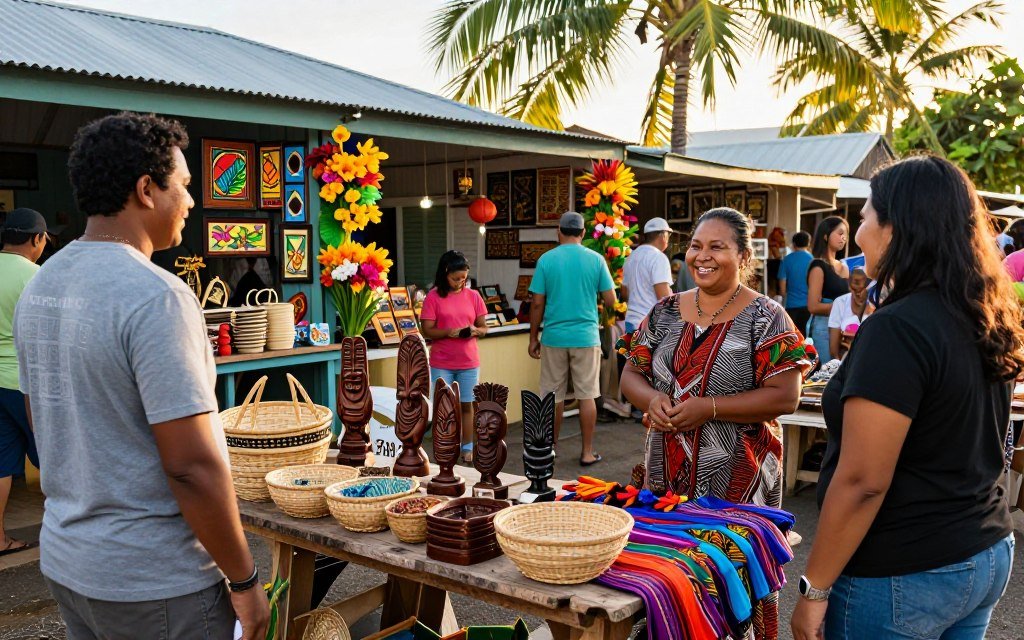
Bula shirts and dresses: what to expect
“Bula” shirts are island‑style prints in cotton or rayon. Low‑end shirts start cheap; better quality pieces cost more. Expect a mix of street stalls and small boutiques offering different quality and prices.
Virgin coconut oil and noni oil: pricing and where to buy
Look for sealed bottles in stores or tourist shops. A large 12 oz (354 ml) bottle is commonly around FJ$28, which helps you judge value when comparing stalls.
Handicrafts, jewellery and small gifts that pack well
Pick carved bowls, lightweight jewellery, keychains and magnets for easy packing. These items fit a cruise suitcase and won’t add much weight to your trip. 🙂
- Shop city centre stores for convenience.
- Compare market bargains if you want a better deal.
- Ask prices in local currency and compare two shops before buying.
“If the price feels off, smile and walk away—shops often call you back with a better offer.”
| Item | Typical price | Why buy |
|---|---|---|
| Bula shirt | Low–mid range | Light, iconic keepsake |
| Virgin coconut oil (12 oz) | ~FJ$28 | Local product, useful |
| Small jewellery/keychains | Cheap | Packable gifts |
Money, local currency and prices travellers should know
One simple money rule will make your day ashore far less stressful. Carry a small amount of local cash for markets, taxis and tips. Use cards for larger purchases where they’re accepted.
Using Fijian dollars versus AUD, USD or NZD
The official unit is the fijian dollar. Many shops accept AUD, USD and new zealand dollars, but that doesn’t always mean good value.
Paying in foreign notes can invite poor exchange rates and added fees. Ask for the bill in the local currency to compare real prices before you pay.
ATMs, ANZ branches and exchange spots near the port
It’s easy to sort cash. ANZ branches, ATMs and exchange bureaux sit about a five‑minute walk from the terminal. Take out a bit of cash rather than lots at once to reduce card fees.
Getting better value for tours and souvenirs
- Confirm the total and what’s included before you hand over money.
- Use small notes to avoid “no change” issues and speed up transactions.
- Bundle with other passengers or negotiate politely—compare two stalls to set a baseline.
Quick safety tip: don’t flash large sums of currency. Carry only what you need and keep cards secure. These small steps keep your day calm and affordable. 🙂
| Need | Why | Tip |
|---|---|---|
| Small cash | Markets, taxis, tips | Carry FJD for best value |
| Card | Larger purchases | Use where accepted |
| Compare prices | Avoid poor exchange rates | Ask for totals in local currency |
Wi‑Fi and mobile data in Suva: what works (and what doesn’t)
If you need to be online for a few quick tasks, there are cheap options nearby — but don’t expect flawless speeds. Plan for messages and light browsing, not big uploads.
Free Wi‑Fi with a purchase
McDonald’s and Burger King in the city centre offer complimentary Wi‑Fi when you buy something. These spots are handy for quick check‑ins, light email or snapping a last photo to social media.
Buying time‑based access
Prepaid minutes come from tFL (Telecom Fiji) at Connect Suva Café in Ganilau House — roughly a 10+ minute walk from the ship. Standard rates are:
- FJ$1.50 — 30 minutes
- FJ$3 — 1 hour
- FJ$5 — 1 hour 40 minutes
Grand Pacific Hotel vs prepaid minutes
The hotel gives complimentary Wi‑Fi with a food or drink purchase. It’s often steadier and more comfortable, but you may spend more on refreshments.
“Set realistic expectations: connection dropouts and slow speeds are common.”
| Option | Cost | Best for |
|---|---|---|
| Fast‑food Wi‑Fi | Free with purchase | Quick check‑ins |
| tFL prepaid minutes | FJ$1.50–5 | Short browsing sessions |
| Grand Pacific Hotel | Complimentary with purchase | Steadier, relaxed use |
Best practice checklist: download offline maps before you leave the ship, send key messages early, and keep screenshots of bookings and confirmations for a smooth day ashore.
If you only have two hours in Suva
You can see a lot of town in a tight two‑hour window if you plan a short, efficient loop. Aim for a calm pace and keep one main goal: taste local life, grab a small souvenir and be back early.
Fast loop: fish market, main street, quick shopping
Step 1: Fish market first — it’s roughly a 3‑minute walk to the right from the pier. A quick browse gives you real local action.
Step 2: Walk the main street for 20–30 minutes. Pick one shop for a Bula shirt or virgin coconut oil and avoid wandering too far.
Step 3: Return directly along the waterfront to the terminal — the whole loop fits into about 90 minutes if you keep moving.
Quick Wi‑Fi stop or coffee break near town
Decide early: fast‑food Wi‑Fi (free with purchase) at McDonald’s/Burger King or a quick paid card at Connect Suva Café for a short browsing session.
If you need a selfie and to send a few messages, fast‑food wins for speed. If you must check bookings, pay for a short tFL session and sit down.
Time‑buffer tips to be back onboard comfortably
- Aim to be at the terminal 60–90 minutes before departure.
- Allow extra time for queues, slow service and local traffic — taxis can help if time slips (approx FJ$2 for a short hop).
- Carry small cash for snacks, a taxi hop and a small souvenir to avoid an ATM run.
“Build the buffer and you’ll enjoy the day without a sprint back to the ship.”
| What | Approx time | Why |
|---|---|---|
| Fish market | 15–20 min | Fast local flavour, photos |
| Main street shopping | 20–30 min | Souvenirs, quick bargains |
| Coffee/Wi‑Fi | 10–20 min | Messages, maps, light browsing |
Safety, comfort and cultural etiquette on shore
A little situational awareness goes a long way when you step into a busy port city. Keep your day simple: plan your route, protect valuables and enjoy the local pace.
Staying aware in a busy capital city environment
Stay on main streets and use well‑lit paths. Keep your phone secure and avoid flashing cash. Taxis and short walks work well when time is tight.
Waterfall and rainforest safety: footing, weather, and valuables
Rainforest paths can be slippery and weather changes fast. Wear grippy shoes and pack a light rain layer.
- Leave valuables in a dry bag or locked case.
- Watch the rope swing first; check depth and for rocks before trying any jump.
- Prioritise safety over bravado — it keeps your adventure fun. 😊
Simple local greetings and respectful interactions
Smile and say “Bula”. Ask before photographing people, be polite when bargaining and accept friendly refusals with a grin.
“Ask first, smile often and keep the day relaxed — locals appreciate respect.”
| What | Why | Tip |
|---|---|---|
| Comfort kit | Sunscreen, water, bug spray, rain layer | Pack light for a short port visit |
| Valuables | Protect from water and theft | Use a dry bag or leave items onboard |
| Local manners | Shows respect | Say “Bula”, ask before photos |
| Timing | Return buffers reduce stress | Allow 60–90 minutes before ship departure |
For extra preparation and broader travel tips, see this quick guide.
Itinerary context: Suva on South Pacific and transpacific cruise routes
Major liners add this call as it balances commercial docking facilities with quick nature excursions. Kings Wharf handles large ships, so itineraries that run the south pacific often include the capital as a reliable port of call.
Why it appears on Fiji–New Zealand and wider island loops
Practical reason: the wharf infrastructure and proximity to roads make transfers efficient for passengers heading to rainforest pools or the Grand Pacific Hotel.
That convenience places the city on many south pacific and new zealand itineraries, from short regional hops to longer island‑hopping loops.
What “schedule dependent” means for your day
Schedule dependent means arrival and departure times change by month, ship and weather. Your port window can shift, so plan flexible blocks rather than a minute‑by‑minute plan.
“Pick one main experience — rainforest or city/hotel — and build a safety buffer for reboarding.”
- Common routing language you’ll spot: los angeles–south pacific, singapore los angeles crossings, brisbane sydney legs, and sydney honolulu segments.
- Ships that call here: Queen Anne, Celebrity Solstice, Celebrity Edge, Carnival Luminosa and Island Princess.
- Some sailings pair savusavu suva, which changes whether you prioritise city time or nature time.
| Why included | What it allows | Planning tip |
|---|---|---|
| Major wharf | Stable dock for big ships | Expect reliable embark/disembark |
| Gateway to rainforest | Short transfers to pools | Choose nature as your one main activity |
| Part of south pacific patterns | Links to new zealand and transpacific cruise legs | Check monthly timetables; stay flexible |
Conclusion
Choose one ‘hero’ experience and let the rest of the day unfold at a relaxed pace. Pick the fish market for a quick local hit, the Grand Pacific for comfort and Wi‑Fi, or Colo‑i‑Suva for a nature escape.
Build time buffers around your ship’s schedule and be realistic about weather and transport. Carry small cash, confirm taxi and tour prices before you agree, and keep valuables secure—especially if you plan to swim.
Keep curiosity high and expectations simple. A well‑timed, focused visit turns a busy port into a memorable part of your cruise adventure. Enjoy the local flavour and the rainforest pause. 🙂