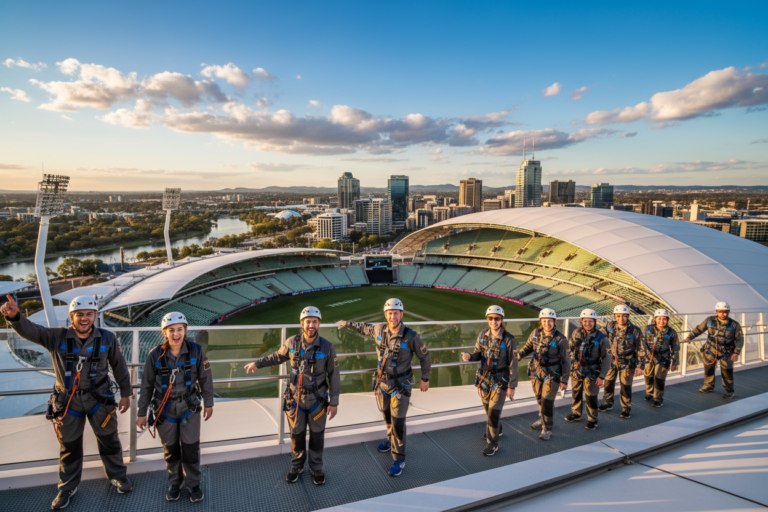
You’re weighing a cheaper smile upgrade overseas against the comfort and accountability of local care in Australia. It’s a common choice now, with reports of savings of up to 70% in some markets. But the math isn’t just the clinic fee.
Dental tourism means travelling for a dental procedure while combining it with travel or a holiday. It’s trending because people pair treatment with wellness travel and tourism, and some clinics promote low prices and fast bookings.
Think beyond the chair: add flights, nights away, recovery time and follow-up costs once you’re back. Safety standards and follow-up care vary by country, so quality and aftercare matter as much as price. 😊
Key Takeaways
- Compare total costs, not just the clinic quote — include flights and recovery.
- Check credentials and ask about aftercare and local follow-ups.
- Weigh risks to your oral health against the short-term savings.
- Booking a treatment with a vacation feels appealing, but recovery can conflict with plans.
- Keep records and a checklist to help plan safe travel and effective follow-up.
What destination dentistry means for Australian patients right now
Many Australians now weigh up travelling to another city or country specifically to get major dental work done.
What counts as travelling for treatment
Travelling for treatment can mean a short interstate trip to see a specialist or a flight to clinics in countries such as Thailand. It also covers planned trips for a known procedure, not emergency fixes while on holiday.
Why people look beyond local care
Rising costs and gaps in cover are key reasons people consider dental tourism. Predictable pricing and package deals pull many patients toward overseas services.
Common treatments people chase overseas
Big-ticket dental treatments often include implants, crowns and dentures. Cosmetic dentistry packages (veneers, whitening, smile makeovers) are marketed as ready-made offers, but you still need a personalised plan.
“Ask what is included — consults, scans and lab fees can change the final price.”
| Service | Why people seek it overseas | What to check |
|---|---|---|
| Implants | High cost at home; visible, lasting result | Implant system and lab details |
| Crowns | Lower lab costs and faster turnarounds | Materials used and warranties |
| Dentures | Package pricing and full-arch options | Fit process and follow-up plan |
Quick tip: have a short pre-trip chat with your usual dentist so your health records and baseline imaging are ready. That simple step helps with safe planning and continuity of care.
Destination dentistry costs vs Australian dental care costs
A quick online quote rarely captures the full cost of getting major work done abroad. Reports often say savings of up to 70%, but that number is a headline — not the whole story.
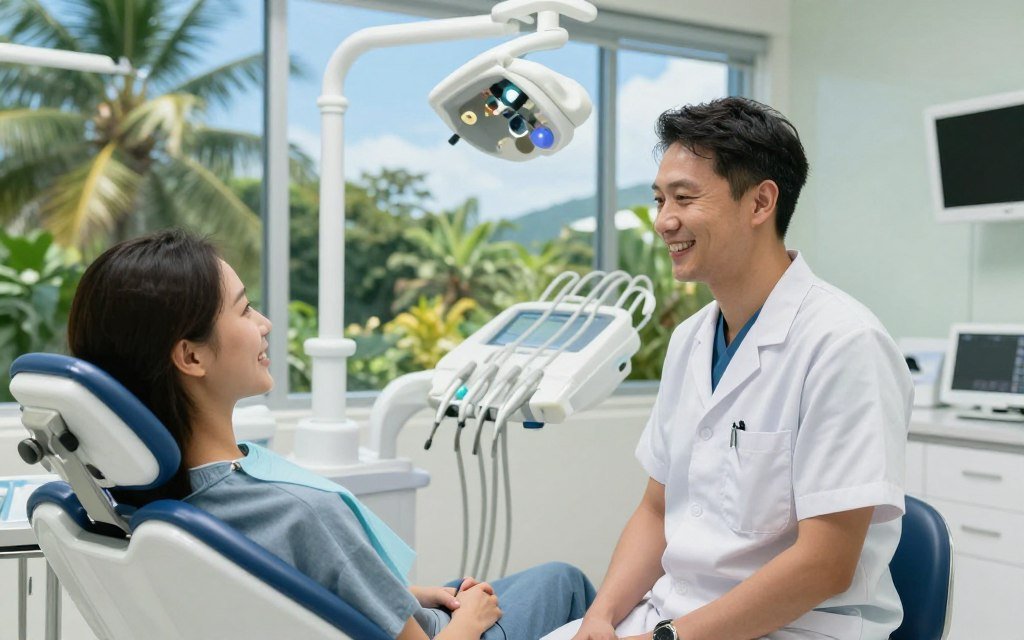
Why prices can be lower overseas
Lower operational expenses, cheaper labs and different regulatory overheads often drive reduced fees. That can mean genuine savings, but it also changes what’s included in a package.
The real total cost checklist
Ask yourself: what will the trip actually cost from A to Z?
- Flights, accommodation and meals
- Local transport, travel insurance and visas (if any)
- Time off work and childcare
- Return visits and unexpected procedures
Why quotes can change after a clinic visit
Once a dentist sees your imaging, the plan can shift. Bone loss, gum disease, bite problems or hidden infection often require extra work.
“You rarely get a final price until an in-person consult and scans reveal the true plan.”
Common cost surprises
Extractions, bone grafts, premium implant systems, temporary restorations and lab fees add up. These items can reduce the headline savings quickly.
| Compare | Overseas offers | Typical Australian options |
|---|---|---|
| Headline price | Often lower (up to 70% saving) | Higher list price but clearer itemisation |
| Included follow-up | Varies; may need paid returns | Aftercare and easy local follow-up |
| Payment choices | Usually full payment or clinic finance | Payment plans and staged treatment common |
| Unplanned costs | Travel adds major extras | Fewer surprises; easier emergency care |
Compare like for like: materials, warranties, number of visits and aftercare. If saving money means losing reliable follow-up at home, ask whether that trade-off is worth it for you.
Quality of care and standards: overseas dental clinics vs dental practices at home
Quality care depends on verifiable systems, not glossy photos or low prices. You should be able to check how a clinic works before you travel. That clarity protects your health and the outcome of major procedures.
How regulation and infection control can differ
Regulation, licensing and infection-control rules vary by country. Some places have hospital-style oversight. Others rely on local rules that are harder to verify.
Practical checks for a safe clinic
Ask for specific sterilisation steps. Good signs include an autoclave (or dry heat oven), new needles and gloves for each patient, surface barriers and waterline sanitisation.
Training, oversight and traceability
“Specialist” titles can mean different things overseas. Ask who accredits the facility and what incident processes they follow.
Document devices and materials
Get the exact implant brand, component sizes, veneer or crown materials and lab details in writing. That record helps any Australian dentist who may treat you later.
Set expectations: quality is standards, traceability and safety systems you can verify before you sit in the chair.
Time, travel and recovery: how dental tourism affects your treatment plan
Planning dental work overseas changes how much time you need and when you can truly rest. A short trip can become a chain of appointments, scans and healing checks.
Why procedures can take longer
Some treatments — especially implants and full-arch work — need staged visits: assessment, placement, healing and final restoration. For Australians this often means extra nights away and a flexible calendar.
Practical recovery realities
Expect swelling, soreness, diet limits and disrupted sleep after major dental treatment. Airports, long travel legs and cramped seats can increase swelling and infection risk.
“Ask: ‘How many days do I need to stay after the procedure?’ and ‘What if healing is slower than expected?’”
- Ask clinics how many follow-up days they recommend.
- Plan buffer days before any big tour or return flight.
- Avoid alcohol, swimming and heavy exercise while you heal.
Final note: If your procedure success depends on recovery, protecting recovery time is part of the cost. For more on risks and follow-up planning see hidden risks of medical and dental.
Choosing a country and clinic for dental tourism from Australia
Compare more than price. Think travel time, recovery and who will manage complications when you return to Australia.
Where Australians often look and why proximity matters
Common countries for dental tourism include Thailand, Mexico, Spain, Turkey, Czech Republic, Dubai, Philippines, Poland, Costa Rica and Hungary.
Australians often shortlist Thailand because flights are shorter and repeat visits are easier. As a guide, single implants in Thailand may run around USD $750–$2,300 and All‑on‑4 roughly USD $3,300–$10,400 — always convert to AUD and confirm inclusions.
Questions to ask before you book
- Who is the treating dentist and what training do they have?
- Which implant system and lab does the clinic use?
- Do they provide written warranties and clear post‑op plans?
- What sterilisation protocols and oversight bodies cover the clinic?
Plan follow-up and what to bring home
Line up a local dentist in Australia before you fly so you have someone to call if healing stalls.
Take a bring‑home pack: full records, X‑rays/CT, procedure notes, implant brand/components, veneer materials and an itemised bill.
Safety cross-checks
Use OSAP traveller guidance for infection‑control questions and check the FDI World Dental Federation for verified dentist directories.
| Decision point | What to check | Why it matters |
|---|---|---|
| Country choice | Flight time, cost estimates, clinic reputation | Impacts recovery, return visits and total cost |
| Clinic details | Implant systems, lab partners, warranties | Ensures traceability and easier local repairs |
| Follow-up | Local dentist lined up, written aftercare plan | Reduces risk if revision or complications occur |
Tip: Don’t chase the cheapest country — choose the best balance of cost, care and continuity. For more background on pros and risks read this pros, costs and risks and things to consider.
Conclusion
Put simply: lower fees abroad can be tempting, but continuity and oversight at home often matter more.
Destination dentistry and dental tourism can deliver real savings on big work like implants or full-arch restorations. But the true cost includes flights, time off work and the risk of extra procedures you only discover in person.
For complex treatments, local dental care usually wins on follow‑up, safety and easy access to a trusted dentist. If you’re cost‑stressed, staged treatment, finance or prioritising urgent work can be safer than rushing overseas.
Quick action plan: get a local assessment, compare itemised quotes, ask safety questions, plan Australian follow‑up and collect every record before you leave. For a practical read on weighing costs and care, see this guide to comparing Ottawa care and travel.
Do it like an explorer with a map: check credentials, protect recovery time and keep your home dentist in the loop. You’ll protect your oral health and your smile long after the vacation ends. 🙂