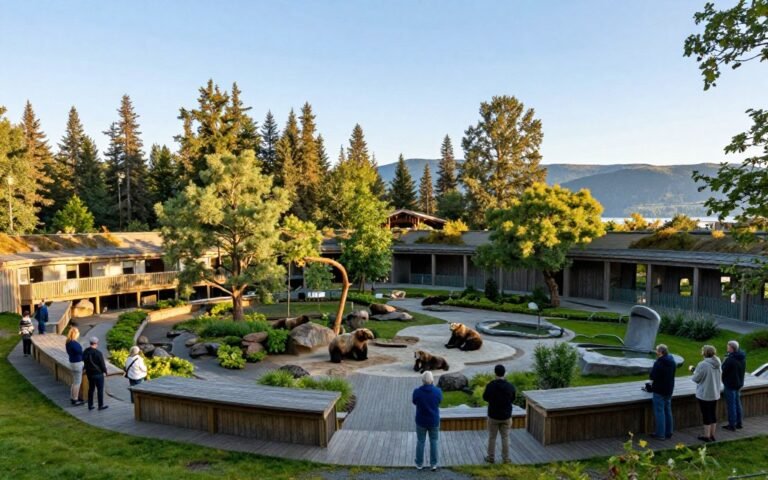
If you’re chasing a spot that blends living farm life with UNESCO-listed history, brickendon tasmania delivers in one easy stop. It’s a great pick for Aussie road-trippers who want a hands-on slice of past and present.
Set expectations: this piece gives eight clear reasons to visit and shows what each reason looks like on the ground. You’ll see convict-built buildings, heritage cottages, gardens and friendly animals.
The place sits near Longford in northern tasmania and links to a broader world heritage story. Founded in 1824 by William Archer, it’s still a working historic farm run by his direct descendants in the 7th generation.
Practical note: entry sits around $18.50–$20.00, so it’s an affordable history-and-nature day out. You’ll leave knowing what to see first, when to catch animal feeding and which details tell the real people stories.
Key Takeaways
- Live farm life meets world heritage — a hands-on historic farm experience.
- Close to Longford and handy on a Heritage Highway loop in northern tasmania.
- Convict-built village and rare heritage buildings bring history to life.
- Entry is budget-friendly at about $18.50–$20.00.
- You’ll walk away with clear tips on timing, tours and what to notice.
Why Brickendon Tasmania is a must-see UNESCO World Heritage convict site
This place isn’t just another historic stop. You walk through a recognised World Heritage network of convict sites where original farm buildings still sit in a working rural setting. That living context makes the story immediate and human.
Part of wider World Heritage convict sites in northern Tasmania
Look up: this estate links into a chain of convict sites across the region. Your visit connects to state-wide stories of transportation, labour and settlement.
- See original convict-era architecture and landscape patterns.
- Understand how assigned labour shaped farming across the region.
The Archer family story
Step inside a family timeline. William Archer established the estate in 1824. The archer family still farms the property today, so you’re visiting continuity, not a set piece.
Step inside the convict-built farm village
Wander at your own pace through the farm village and find quiet photo spots and small details. Step inside cottages, peer into yards and notice mason marks on walls.
Heritage buildings to look for
Spotter’s guide:
- Gothic chapel — a compact, photogenic reminder of early community life.
- Sussex barns — large timber barns that show early farming scale.
- Blacksmith shop — tools and workspaces that powered daily life.
Shearing shed, cookhouse and working sheds
Imagine the noise of shearing day. The shearing shed and cookhouse explain how the farm ran from dawn to dusk. These structures show routines, heat, tools and rhythm.
Modern interpretation on-site
Scan the QR codes as you go to read real convict stories and learn who worked here. Scan this and the past becomes a set of named lives and tasks you can follow through the village.
Hands-on farm experiences for families and animal lovers
A visit here turns heritage into a lively, touchable experience for families. The working farm village blends old buildings with active paddocks so every walk feels alive.
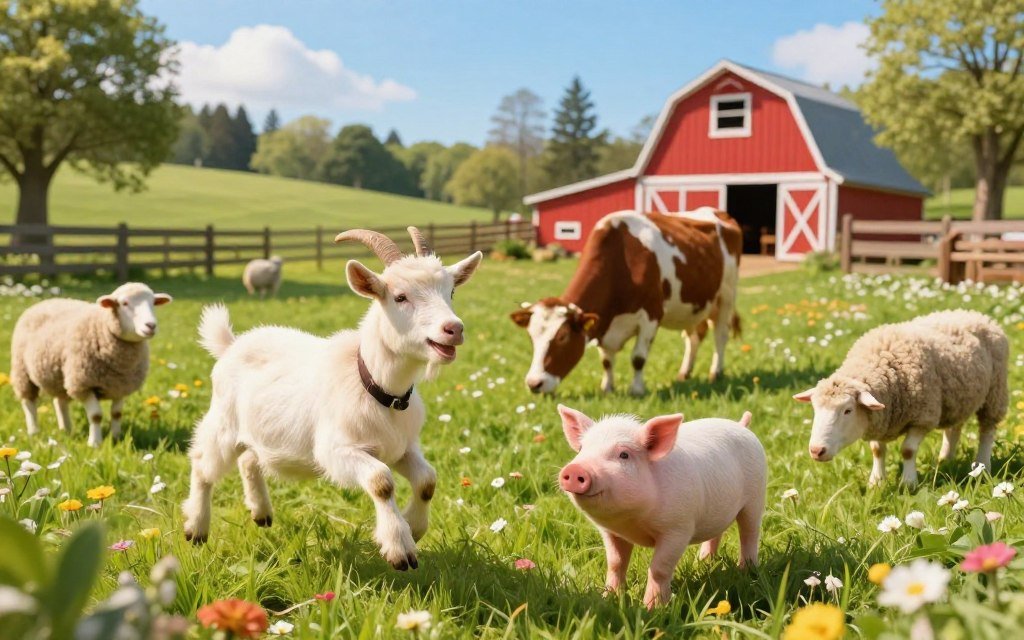
Meet friendly farm animals and join daily feeding at 10.15 am
Anchor your day around the 10.15 am feeding. This daily event gathers curious kids and adults for a short, noisy burst of fun.
The sounds are lively: clucks, baas and soft snuffles. Little hands can feed hungry animals and watch them crowd in. It’s simple, sensory and perfect for making memories.
“Feeding time is the highlight for most guests — a small moment that turns a visit into a memory.”
Wander at your own pace: buy a bag of feed and explore the village
You can buy a bag of feed and stroll the village on your schedule. That flexibility suits mixed-age groups and relaxed couples alike.
Plan a perfect day: arrive, catch the 10.15 am feed, wander with your bag, scan QR stories, then slip into the garden or shop.
- Family-friendly: open spaces and short paths make it easy with prams and small children.
- Couples: enjoy a gentle, heritage-backed stroll at your own pace.
- Curious guests: combine animal time with historic buildings and QR-led stories.
| Activity | Time | Why it works |
|---|---|---|
| Animal feeding | Daily 10.15 am | High-energy, short event that anchors your visit |
| Buy-a-bag feed | All day | Flexible roaming for mixed groups and ages |
| Village stroll | Any time after entry | Historic backdrop plus living farm life |
Good to know: bring closed shoes, supervise young children near animals, and allow time to savour both the farm energy and the heritage setting.
Gardens, heritage stays and easy planning for a day trip or overnight visit
Move from the farm’s bustle to a quieter world: the garden and homestead are made for lingering and small discoveries. It’s slow travel that rewards curiosity. 🌿
Explore the four-hectare historic garden around the Georgian homestead
You’ll loop a four-hectare garden that wraps the georgian homestead. Paths thread lawns, clipped hedges and sheltered seating so you can take your time.
Garden rooms, old-fashioned roses and perennials
“Garden rooms” are practical pockets of planting with their own mood — rose borders, perennial beds and intimate benches that suit the house façade.
Stand beneath remarkable 1830s English and exotic trees
Look up to see standout 1830s plantings: oaks, elms, cedars and pines sourced from around the world. These trees make excellent shade for photos and quiet pauses.
Stay on-site in historic and farm cottages with free entry
Overnight guests get free entry to the attractions. The cottages and farm cottages are comfortable, self-contained and ideal if you want to extend your visit.
Comfort plus character: open fires, wood heaters and breakfast provisions
Cottages feature open fires or wood heaters, electric heating and blankets, plus hearty continental breakfast provisions. Linen and cooking facilities are included for simple accommodation planning.
Accessible and welcoming: support for a range of access needs
This site actively welcomes visitors with access needs. It provides support for wheelchair users, people with hearing or vision loss, allergies or those needing a support person.
Getting there & before you go
It’s a short detour just outside Longford — roughly 15 minutes (about 27 km) from Launceston. Entry is around $18.50–$20.00.
Practical details: facilities include carpark, coach parking, toilets, picnic areas, lawns, food and a shop. Address: 236 Wellington Street, Longford TAS 7301. Phone: 0437 525 890. Email: information@brickendon.com.au.
For nearby heritage options and planning ideas, see Woolmers Estate.
Conclusion
Conclusion
Put simply: this is where UNESCO-level heritage meets a living, hands-on farm. The eight reasons above add up to one clear choice — a historic and farm visit that feels active, not frozen.
If you love heritage buildings, convict stories, gardens and relaxed animal encounters, you’ll enjoy it. It suits couples, families and curious travellers who want tactile history.
Choose your style: make it a half-day or day trip from Launceston, or stay overnight in a cottage for a slower, immersive stay.
Plan ahead: check current opening details and bookings via official channels, note animal feeding at 10.15 am, and read more about heritage reuse and adaptive reuse approaches here.