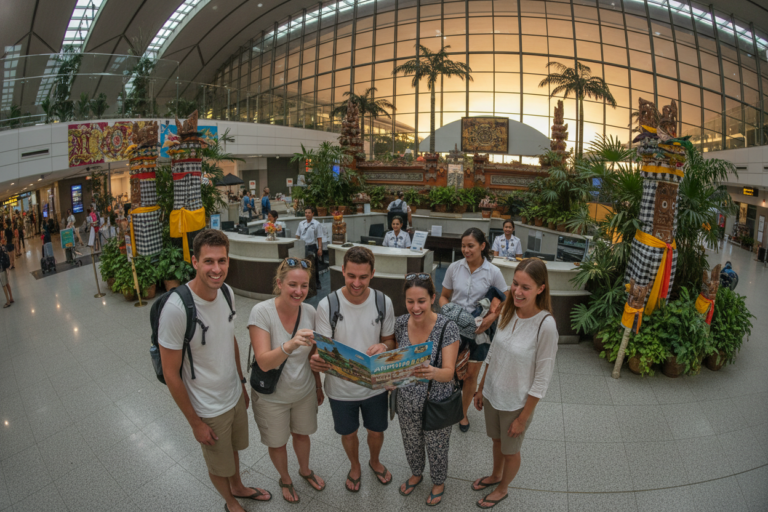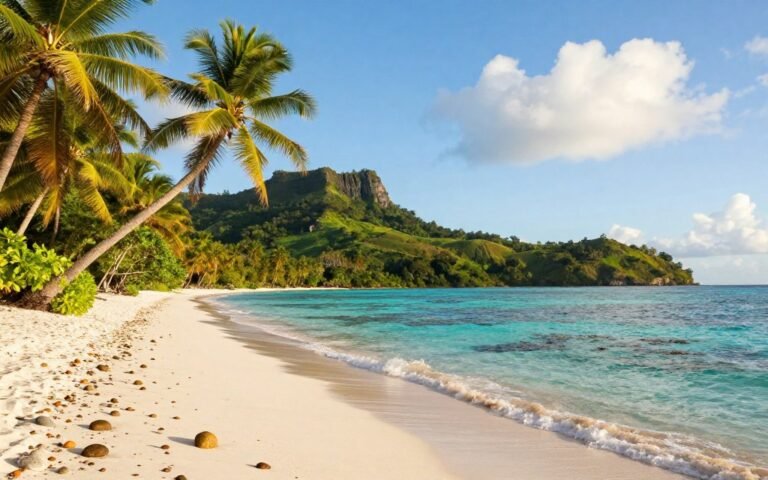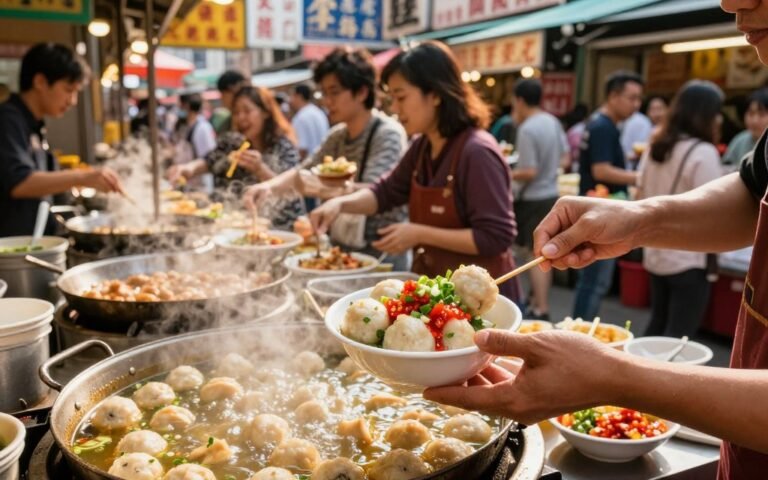
Ready for a hands-on guide that mixes iconic sights with muddy, sweaty, brilliant moments? This is your practical roadmap for Aussies who want a proper vietnam adventure that blends cruises, caves and homestays into one clear plan.
Getting dirty means humidity on your neck, scooters through narrow lanes, wet caves, river muck and lively markets. You’ll rinse off, laugh about it, then book the next thing on your list.
We set expectations from day one: how many days you need, what to book first, and which tours match your comfort level. Real reviewer tips flag heat, heavy rain (yes, even in November), and why an overnight junk boat in Ha Long Bay can reset the trip.
Quick prompts to help you decide: Want more active days or more comfort? North, south, or both? Choose Ho Chi Minh City or Hanoi as your base, pick caves or cruises, homestay or hotel.
Key Takeaways
- Decide your base first: Hanoi or Ho Chi Minh City — it shapes your itinerary.
- Book key items early: overnight cruise, Mekong homestay, and any specialist tour.
- Pack for heat and sudden rain; that junk-boat night is often a highlight.
- Balance active days with rest days to match your budget and comfort.
- You’ll finish this guide knowing what to book, when, and how to match it to your style.
Why Vietnam is built for adventure travellers from Australia
Short flights, long stories — that’s why Australians keep returning for more muddy, memorable days. You can shape a trip that fits a long weekend or a two-week circuit with ease.
Fast flights, easy add-on stops and flexible lengths
Direct routes make it simple to book quick breaks. If you’ve got extra time, stack short hops across southeast asia to extend the journey. Add-on stops are optional: they give variety without forcing you to change plans.
What “getting dirty” looks like
Cave swims, jungle humidity, scooter dust, river spray and street food eaten standing up. Expect muddy boots, sticky days and great stories. Day tours and self-led trips both deliver those moments.
Comfort tiers and what to book first
Choose a homestay for connection, central hotels for convenience, or a medium-class Ha Long Bay cruise for meals, tai chi, a cooking class and sunset on the sundeck. Wi‑Fi can be sketchy and itineraries may change, so book key day tours, your cruise nights and anchor hotels early. That way you lock in the best view and the easiest way to enjoy your time.
When to go and what weather to expect across Vietnam
Expect big swings: steamy lowlands, cooler highlands and storms that can arrive without warning. Plan your days by region so you’re not guessing on the ground.
Planning for heat, heavy rain, and regional differences
Break the country into three practical zones: north (cooler winters), central (unpredictable wet spells) and south (hot, humid most of the year).
On active days like trekking or cycling, heat feels heavy. Humidity slows your pace and makes a short walk feel long.
Heavy rain will reshape a day fast — expect cancelled cave visits or changed cruise routes. Book tours and accommodation with flexible cancellation or change policies.
What reviewers wish they’d checked before departure
- Check local forecasts for your exact days — generic monthly summaries can mislead.
- Verify visibility for mountain passes and bay views; mist or rain can hide the view you came for.
- Pack for extremes: sun, quick downpours, and a warmer layer for the north at night.
| Zone | Typical conditions | Quick action |
|---|---|---|
| North | Cool winters, hot summers, variable mountain weather | Bring layers; book treks with flexible dates |
| Central | Unpredictable rain, possible storms even in shoulder months | Choose refundable cruises and sheltered tours |
| South | Consistent heat and humidity; short wet season bursts | Plan active mornings, rest afternoons; book AC rooms |
Choosing the right vietnam adventure travel style for your trip
Pick a touring style before you lock in dates — it keeps the trip deliberate, not random. Name what you want from the itinerary and you’ll book smarter. This saves time and helps every day feel like it belongs.
Active touring: trekking, cycling, kayaking and cave swimming
Active means more than fitness here. Expect heat, wet cave steps and long walking days. Trekking and cycling give deep local views. Kayaking and cave swims add water-based activities to your day.
Book the toughest day tours early. People sell out and guides matter for safety and route choices.
Culture-forward touring: temples, museums, citadels and historic sites
This style centres on temples, museums and history-rich stops like Hue’s citadels and royal tombs. It’s slower paced and rich in context.
If you love food and stories, pick culture-forward days. Book key museum tours and temple visits in advance — some slots are limited.
Comfort-forward touring: cruises, private transport and premium inclusions
Comfort-forward isn’t soft — it’s efficient. Private transport, better accommodation and a boat cruise with tai chi, cooking class and chef-set meals reduce friction.
If you hate early starts, choose this style. Want the best view moments? Choose a cruise or a hotel with skyline access and book them first.
Quick tip: mix active, culture and comfort across your trip. Book cruises and top hotels early, then stagger day tours to keep energy up. You’ll get variety, better pacing and more memories per person.
How many days do you need for a Vietnam adventure itinerary?
Pick a trip length first — it shapes everything from pace to what you can realistically see.
Short breaks: day trips from Ho Chi Minh City and Hanoi
3–5 days suits a short break. Focus on iconic day trips, a food tour and one big-ticket experience like an overnight cruise or cave visit.
Limit bases to one city to save travel time and get deeper into the local rhythm.
Classic routes: 10–12 day north-to-south itineraries
10–12 days lets you follow the classic north-to-south flow. You get variety, a clear story arc and easier logistics.
Use 2–3 anchors: a cruise night, a heritage city day and a countryside block for balance.
Big journeys: 17-day paced trips with active and down time
17 days suits the “Grand” style. Add Sapa trekking, Ha Long Bay cruising, Phong Nha caves and Hoi An cycling.
Mix active tour days with easy city days so you don’t burn out. Fewer base changes equals better rest and more view moments.
- Quick booking tips: book cruises, peak hotels and small-group tours early — they fill fast per person.
- Itinerary build: block anchors (cruise, trek, cave), then fill with flexible city days.
| Length | What to expect | Best book items |
|---|---|---|
| 3–5 days | One base, iconic day tours, food experiences | Day tours, a big-ticket night, central hotel |
| 10–12 days | North-to-south highlights, mix of cities and coast | Cruise night, regional flights, key hotels |
| 17 days | Extended mix: trekking, caves, cruising and rest | Trekking block, cruise, cave tours, flexible city days |
Ho Chi Minh City adventures: markets, museums and street life
If you want sensory overload with a heavy dose of history, make Ho Chi Minh City your launchpad. It’s a fast-moving hub that leads directly to Cu Chi or the Mekong Delta on many day trips.
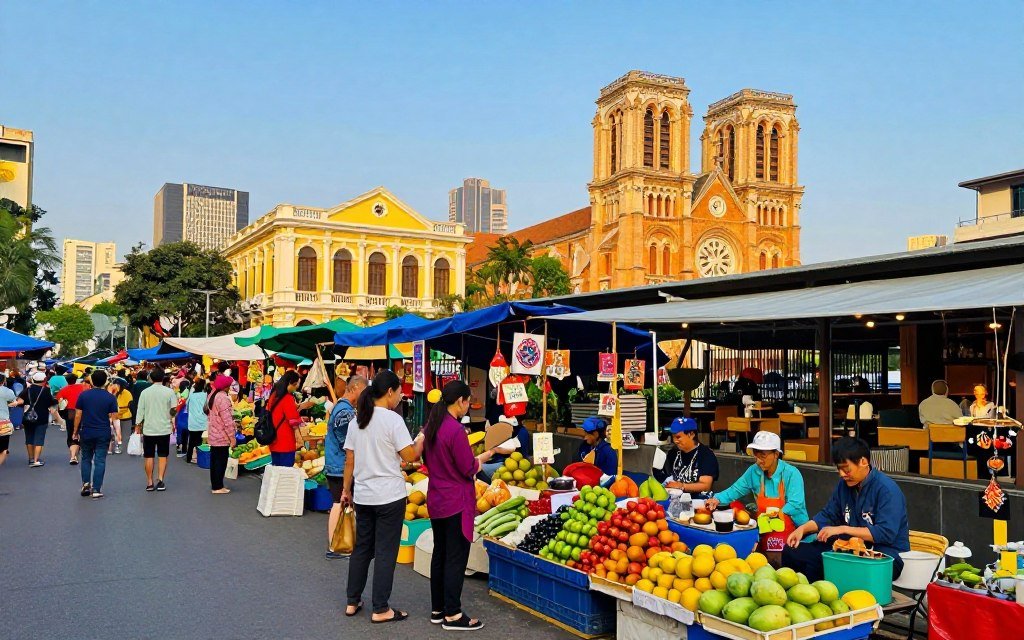
City highlights tours: Reunification Palace, Notre Dame and the Central Post Office
Pick one core highlights tour on your first day. Reunification Palace, Notre Dame Cathedral and the Central Post Office give quick, visual context and great photo view moments.
War Remnants Museum for context before heading underground
Visit the War Remnants Museum early. It reframes what you’ll see on Cu Chi and in the delta. A solid museum stop helps each later trip feel richer and more meaningful.
Managing the intensity: traffic, walking and staying calm
Traffic can be intense. Cross streets confidently, keep hands visible and follow local pedestrians. Choose pickup points away from busy intersections to reduce stress.
- Book a guided city tour for efficiency.
- Or book a private option if you want a slower pace and personal time.
| Focus | Why it matters | Quick action |
|---|---|---|
| Highlights tour | Fast overview, photo view spots | Book a morning slot; avoid heat |
| Museum | Context and depth | Spend 1–2 hours; read plaques |
| Street life | Markets and food stops | Leave breathing space between tours |
Cu Chi Tunnels day trip: Vietnam War history you can crawl through
A day at the tunnels turns abstract history into a physical, eye-opening experience. The site is more than a photo stop — you can crawl, duck and stand where wartime ingenuity mattered most.
What makes the tunnels legendary
The network stretches for over 220 km, hand-carved and used as living quarters, supply routes and hidden defences. That scale is why the visit feels real, not staged.
Distance, timing and a typical day
The complex sits about 55 miles from chi minh city — roughly a two-hour drive each way depending on traffic. A typical day includes hotel pickup, a short guide briefing, a walk around exhibits, a chance to enter widened tunnel sections and optional extras like firing ranges.
Pairing option and who it suits
Many people pair Cu Chi with the mekong delta on a single long day. It’s a solid schedule hack if you’re short on time, but expect a long, busy day.
- Who should book: history lovers, families with older kids, and anyone on a tight schedule.
- Booking tip: book early in peak months and pick group or private tour styles to match your comfort with crowds and departure times.
Mekong Delta tours: boat trips, floating markets and homestay life
Swap city noise for slow waterways and green paddies on a classic Mekong Delta day. The region gives you a different pace: narrow canals, rice fields and close-up local life you won’t get in a city block.
My Tho route, rice paddies and the pagoda stop
Your typical My Tho day starts with a ~1.5 hour van transfer past vivid rice paddies. Expect a clear departure time and a short stop at Vinh Trang Pagoda for the best river view.
Cai Rang floating market and why it matters
The Cai Rang market is more than photos. It reveals how goods move by boat and how daily routines run from dawn. Plan a morning visit for busy scenes and honest local life.
Homestay nights: meals, hospitality and slow countryside rhythms
An overnight homestay sells the magic: home-cooked meals, family hospitality and the slow rhythms of countryside life. It changes your trip, especially after one busy day on the river.
Responsible notes and practical tips
You may see visible pollution or waste. Choose operators who minimise plastic and practise river care. This keeps the delta better for locals and customers alike.
- Bring mosquito repellent, a hat and plenty of water for boat time.
- Carry small cash and light layers for changing conditions.
- Book reputable tours that list inclusions and departure details so you know what each person gets.
“Pick operators who show you how they reduce plastic — it makes your visit kinder and more meaningful.”
Hanoi as your northern base: culture, temples and street food
Base yourself in Hanoi and you get a compact city where museums, pagodas and lively streets sit close together. The Red River edge, neat colonial façades and winding lanes make it easy to walk between history and great food in a short time.
Old city energy: museums, pagodas, and colonial-era streetscapes
The Old Quarter pulses with activity from morning markets to late-night stalls. You’ll find well-preserved colonial buildings, tiny museums and venerable temples all within a few minutes’ walk.
Stroll slowly so you notice the carved wood, the temple courtyards and the street-level scenes. That tighter layout means more discoveries per person and less time spent on transfers.
Hanoi street food tours: lunch, night bites, and what to bring
A lunch food tour focuses on quick bites and daytime favourites — think noodle bowls and warm snacks. A night food tour shows roving stalls, late bites and a different mood under lantern light.
Going with a guide reduces decision fatigue. A small-group tour lets you taste safely, learn context and meet vendors without worrying about where to start. Book a morning or sunset slot to match your departure time or flight.
- What to bring (screenshot list): cash, phone/camera, raincoat/umbrella, sunblock, hat, sunnies.
- Pacing tip: do one guided food tour, one self-guided wander, and plan an early night before any morning flight.
- Booking note: book popular tours in advance to secure the best group sizes and times.
| When | Focus | Why book |
|---|---|---|
| Lunch | Quick, classic dishes | Good for less walking and daytime markets |
| Night | Street bites & lively stalls | Best for late flavours and night-time view moments |
| Morning | Markets and calm streets | Cooler time for walking and photos |
Northern Vietnam’s raw side: Ba Be Lake, Ban Gioc Waterfall and borderland vistas
Up here, the scenery grows loud while the crowds grow quiet — think lake glass, sudden cascades and limestone ridges. You’ll move from calm boat mornings to roaring falls in a few hours, and the journey along the way is part of the story. 😊
Swimming and cruising on Ba Be Lake
Ba Be Lake feels like a mirror after city noise. Book a short boat cruise to reach hidden temples and small villages. You can swim in quiet bays, then spend the afternoon walking shore paths.
Ban Gioc Waterfall and nearby caves
Ban Gioc sits on the border and makes for a dramatic day stop. Pair the view with cave systems nearby for more exploration. If you want to pack one bold day, book a guide who handles transport and cave permits.
Hidden temples, ethnic markets and the karst plateau
Markets here are local and lively — the kind you won’t find in every guidebook. Visit ethnic villages for handmade crafts and honest food. The karst plateau simply means tall, weathered limestone that creates cliff-top views very different from coastal beaches.
Why go off the guidebook
These routes reward the person who has time and patience. Book a multi-day northern loop tour if you want logistics handled in remote areas. That way one person organises permits, drivers and sleeping spots so you focus on views and people along the way.
- Quick practicals: book early for peak months, expect long drives between points, pack wet shoes for lakes and caves.
- Best for: people who want fewer crowds and more landscape moments.
| Spot | Highlight | Best day plan |
|---|---|---|
| Ba Be Lake | Boat cruise, swimming, village visits | Half-day cruise + village walk |
| Ban Gioc | Border waterfall, caves nearby | Full day with cave add-on |
| Karst plateau | Broad limestone views, hidden temples | Scenic drive stops along route |
Want a simple route map or a guided loop? Consider booking a northeast loop or a motorbike-based itinerary — a good reference is the northeast motorbike loops page to help you plan which days to book and where to sleep.
Ha Giang Loop adventure: mountain passes, stone forests and minority villages
Highland roads here carve dramatic views, but they test your patience as much as your camera skills. Expect long driving days, rough surfaces and sudden weather. The route rewards effort, but it is not easy.
Ma Pi Leng Pass — the signature viewpoint and road reality
Ma Pi Leng is a standout viewpoint. You’ll stop for cliff-top photos and a breath of fresh air. Roads to the pass can be narrow and uneven. Ride or drive with care and a sensible pace.
Safety first: choose an experienced driver and allow extra time for slow sections. Hydrate and stretch at every stop so each person stays steady.
Dong Van and Meo Vac markets: culture, colour and great photo stops
Markets in Dong Van and Meo Vac are full of local life. Time your visit for market mornings to catch busy stalls and colourful clothing. These stops are genuine culture, not staged scenes.
Plan a slower day around markets. Packed schedules make it hard to enjoy the small moments and local vendors.
Homestays and etiquette in remote villages
Homestays offer real connection. Be mindful: quiet hours, removing shoes indoors and asking before photos show respect.
Offer polite curiosity rather than intrusive questions. A small gift or local snack is a warm gesture and helps the family you stay with.
- How to choose a tour: pick teams with experienced drivers, clear inclusions and sensible daily distances.
- Pacing tips: plan proper sleep, carry snacks and water, and treat steep days as recovery time the next day.
- Booking cue: book early in peak months. Small teams fill fast and quality operators sell out.
| Focus | Why it matters | Quick action |
|---|---|---|
| Ma Pi Leng | Iconic cliff-top views | Allow extra time; travel with experienced driver |
| Dong Van / Meo Vac | Local markets and culture | Visit morning markets; slow your schedule |
| Homestay nights | Authentic local life | Follow etiquette; bring small gift |
“Choose a sensible pace and a trusted team — the loop rewards patience.”
Sapa trekking: rice terraces, valleys and highland homestays
Highland treks around Sapa serve up steep terraces, river crossings and quiet village mornings. Medium trekking here is steady rather than technical.
What medium trekking really feels like
Expect 6–7 hour days on uneven ground. Paths climb and drop, with slippery sections after rain. You cross simple bridges, ford small rivers and move through bamboo forest trails.
Village encounters and respectful visits
Stops at Ta Van, Y Linh Ho and H’Mong villages are cultural moments, not performances. Let guides explain local life and ask before taking photos.
Choosing your trek length
2-day treks suit short trips and give a taste. A 4-day option adds deeper countryside time and better views. A 5-day trek is for people who want slow days and extended village stays.
- Book a reputable trekking tour with a top-rated guide.
- Pick a homestay known for warm hosting and clear inclusions.
- Pack light, bring rain protection and schedule a rest day after the trek.
Tip: If you need a trusted multi-day route, consider book the Wild Highland Trail for organised logistics and strong local guides.
Ha Long Bay and Lan Ha Bay: the overnight cruise every traveller remembers
A two-day boat trip gives you time to breathe, paddle and watch the light change on limestone towers.
Why it earns the hype
UNESCO-listed seascapes, golden-hour views and that unforgettable sunset on the sundeck are the headline moments. You’ll understand why customers say “you had to be there” — the view simply changes the evening.
2 days, 1 night: what to expect
The typical 2D/1N option fits tight schedules. You get a morning departure, an afternoon of cruising and kayaking, a night on board, then a final morning island visit before return. It’s efficient and iconic.
What “medium class” actually includes
Medium class means clean, comfortable cabins, reliable safety, friendly staff and solid meals — not ultra-luxe, but good food and dependable service. Look for clear inclusions when you book.
Onboard activities
- Tai chi on deck at dawn.
- Hands-on cooking class and local meals.
- Kayaking and short swim breaks (weather permitting).
Practical notes & packing
Wi‑Fi is often limited. It’s common for itineraries to change with weather or sea conditions, so pack a flexible plan.
- Hat, sunscreen and sunglasses
- Comfortable footwear and swimmers
- Towel and a light jacket for evening breezes
Booking cue: Book your cruise early — peak times sell out fast and the best boats fill first.
| Item | Why it matters | Quick tip |
|---|---|---|
| Departure time | Sets your day rhythm | Choose morning departures to maximise daylight |
| Cabin class | Comfort for the night | Medium class balances cost and comfort |
| Activities | How you’ll spend hours onboard | Confirm kayaking/swim stops before you book |
Phong Nha-Ke Bang: caves, lagoons and adventure swimming
Phong Nha-Ke Bang strips away city noise and replaces it with echoing caverns and cool lagoon swims. It’s a perfect mid-trip block if you want active days and a nature reset.
What you’ll do: cave exploration, lagoon time and underground formations
Typical days include a visit to Paradise Cave’s towering formations and a swim in Hang Tra Ang’s underground river. You’ll float in clear pools, climb short cave stairs and stand beneath vast stalactite ceilings.
Expect to get wet and a bit muddy. Pack a dry bag, quick-dry clothing and footwear you don’t mind washing.
Why guides matter: safety, navigation and storytelling
Guides do more than point the best view. They time entries, explain geology, manage safety ropes and read river conditions. A strong team reduces risk and makes the day richer for every person in the group.
“One TourRadar reviewer called the cave and lagoons one of the best days — the formations were absolutely beautiful and the swim was unforgettable.”
- Decision rule: choose Phong Nha if you want a standout active block mid-trip.
- Book with operators who give clear inclusions, safety briefings and quality gear.
- Bring towel, spare socks and a sense of curiosity — this is nature up close.
Central Vietnam thrills: Da Nang, Hoi An countryside rides and Hue history
This mid-country corridor mixes quick thrills and deep history without long transfers. You can base in Da Nang and hit Marble Mountains, cycle Hoi An’s fields, then spend a day in Hue with minimal packing.
Marble Mountains: caves, grottos and peaceful temples
About 9 km south of Da Nang, this is an easy half‑day you can book on short notice. Stairs lead past caves, grottos and small Buddhist temples. It’s great for quick climbs, sharp view stops and photo moments.
Hoi An beyond the lanterns: cycling through rice and villages
Don’t stop at lantern selfies. A local cycle around the countryside shows real life: paddies, craft workshops and tiny villages. Many people say these slow days are the most memorable part of their trip.
Beat the heat: pick a morning departure or late-afternoon ride. Carry water, sun protection and light layers.
Hue’s royal legacy: citadels, pagodas and tombs
Hue is your deep-history stop. The citadel, royal tombs and ornate pagodas explain the Nguyen dynasty’s story. Visit with a guide to get context and save walking time.
“Hue ties the region together — it’s the why behind many cultural sights you’ll see elsewhere.”
How to stitch these into an itinerary:
- Base in Da Nang for 2–3 days to cover Marble Mountains and a Hoi An cycle.
- Reserve a full day for Hue from a single departure point to avoid pack-and-move stress.
- Book day tours for convenience, or choose private transport if you want flexible timing and more comfort.
Between short rides and history-packed stops you’ll get variety without long drives. It’s an efficient way to add countryside charm, temple visits and strong history moments to your overall journey.
Island reset: Phu Quoc snorkelling, sunset cruises and squid fishing
After inland intensity, the island feels like a gentle reset — salt air and slow pacing do wonders.
Island-hopping by boat: coral reefs, swimming stops and beach-bar downtime
Island-hopping usually starts with a short boat transfer from Duong Dong. Expect stops at coral reefs such as Gam Ghi, plus swimming at May Rut and a relaxed beach-bar break.
What to expect: snorkel gear included on good tours, clear swim windows and a mix of activity and downtime. If you want low-effort fun, this is the day to choose.
Sunset cruises and squid fishing after dark
Sunset cruises often begin with a welcome drink and a breezy deck view as the light softens. They’re ideal for couples or groups who want a calm evening and a great view.
Many boats anchor for night squid fishing. Catches are often cleaned and cooked onboard — a fun, shared dinner that feels local and fresh.
- Pack reef-safe sunscreen, a towel and a dry bag.
- Check sea conditions and choose operators who list exact islands and inclusions.
- If snorkelling gear is important, only book tours that state it in the price.
“Pick a boat that clearly lists islands and snorkel gear — it saves surprises and time.”
| Activity | Typical inclusions | Quick tip |
|---|---|---|
| Island-hopping | Boat transfer, snorkel at Gam Ghi, beach stop at May Rut | Book a morning slot for calmer seas |
| Sunset cruise | Welcome drink, deck views, short cruise | Great for couples and groups |
| Night squid fishing | Anchoring, light rigs, cook-your-catch option | Bring motion-sickness meds if prone |
Quick decision guide: choose this block if you want a simple reset between busy days. Book with reputable operators and look for clear island lists and snorkel inclusions to keep the trip smooth.
For a detailed route and recommended operators, see the Phu Quoc island-hopping guide.
Booking tours, accommodation and transport without blowing the budget
Start with a budget-first plan: lock the must-have, limited-capacity items, then fill the gaps around them. That way you don’t pay premium rates later or reshuffle an itinerary at the last minute.
Group tours vs private tours: who should choose what
Group tours are cheaper per person and suit solo travellers or those happy to move with a set schedule. They save you time on logistics and often include transport, a guide and set departures.
Private tours cost more but give flexibility, tailored pace and better photo stops. They work well for couples, families or anyone who values control over the day.
“If you want flexible pick-ups and a slower pace, book private — if you want value and company, choose group.”
Hotels, homestays and cruises: matching accommodation to your style
Hotels are best for central bases, easy departures and reliable facilities. Good for short stays and quick access to food and transport.
Homestays add local connection in the countryside and are worth it for longer, relaxed blocks.
Cruises are the iconic splurge: one night on the water can deliver a major view and included activities, so book early and check inclusions.
What to pack for adventure days: heat, rain, caves and boats
- Heat: hat, sunscreen, sunglasses, light layers.
- Rain & comfort: raincoat/umbrella, quick-dry shirt, thin jacket.
- Cave & water: swimmers, towel, dry bag and spare socks.
- Boats & nights: comfortable footwear, insect repellent and a small blow-up mattress for noisy overnight trains.
- Money & logistics: ATM VND withdrawals are easy; keep cash for markets and confirm departure times and pick-up points in writing.
| Item | Why it matters | Quick tip |
|---|---|---|
| Limited-capacity tours | They sell out fast | Book first to lock price and slot |
| Transfers | They take time | Choose direct routes; avoid cramming multiple stops |
| Inclusions | Affects value | Pick providers with clear cancellation and responsive customer support |
Final rule: book limited departures first (cruises, peak tours), then hotels or homestays. Confirm pick-ups in writing and choose teams with clear inclusions — it saves money and stress, and keeps your trip on track. 😊
Conclusion
Make your final plan a promise to yourself: pick a handful of big experiences and leave room to breathe between them.
Balance active days, culture stops and one or two comfort-forward reset nights. That mix delivers great views, local history and quieter countryside time without burning you out.
Choose your base cities — north, south or both — then build an itinerary that suits your pace. Book core items early: the cruise, key tours and peak-night hotels. Confirm departure times and keep a weather buffer.
Consider smart extensions like Ninh Binh or Angkor Wat if your time allows. Finally, choose the tour style that fits you, lock the must-haves, and leave space for spontaneous food, streets and small discoveries. Getting dirty is the point — it’s how the trip becomes your best story. 😊