Quick, friendly guide to get the best from your day at hong kong ocean park without the rush.
This place mixes animal exhibits and rides in one site, so you’ll want a clear plan.
We’ll show you how to cut queue time, pace the day for kids or older family, and spot the must-see zones like Aqua City and Polar Adventure. You’ll get practical information on tickets, arrival time, and what to check before you go.
Learn the big layout split — Waterfront versus Summit — so you don’t waste energy backtracking. We also include a simple add-on option for Water World if you’re after a full-day or split-day trip.
Key Takeaways
- Plan early to avoid queues and save time.
- Mix animal exhibits with rides for a balanced day.
- Check tickets and official notices before you leave.
- Split the route by Waterfront and Summit to avoid backtracking.
- Bring a flexible plan for kids and older visitors.
Why Hong Kong Ocean Park belongs on your Hong Kong itinerary
This attraction blends hands-on animal learning with classic thrill rides for every visitor. It’s one of the city’s home-grown highlights, split into two main zones linked by a cable car and a funicular.
What makes it different from other theme parks in Hong Kong
Unique mountain split: exhibits and rides sit side-by-side across Waterfront and Summit. That layout feels outdoorsy and gives you great views between stops.
Education, conservation and entertainment in one place
Ocean Park has a clear mission: teach visitors while protecting wildlife. Expect animal encounters, hands-on displays and conservation talks alongside family rides.
- Best-of-both-worlds: wildlife plus thrills for families and solo travellers.
- Plan ahead: the site is large and rewards calm viewing times.
- Seasonal shows and crowd levels change the experience, so check updates.
| Feature | This site | Other theme parks |
|---|---|---|
| Mix of animals & rides | High | Usually focused on rides |
| Outdoor, hilly layout | Yes — cable car/funicular | Mostly flat |
| Education & conservation | Core to mission | Limited |
Quick facts to know before you go
Here are the practical details to help you plan a full day. Read this and you’ll know where it sits on the island, how much walking to expect and why you need a loose route.
Where it is
Wong Chuk Hang on Hong Kong Island (22.245861°N, 114.175917°E). If you’re staying in Central, Admiralty or Tsim Sha Tsui, allow transit time plus extra for entry and security.
Scale and walking time
The site covers 91.5 hectares (226 acres). That size brings long walks and hills. Wear comfy shoes, carry water and sketch a rough route to avoid zig-zagging.
Short history snapshot
The park opened on 10 January 1977 and has evolved through major redevelopments since. It now totals 59 attractions and draws about 2.4 million visitors (2022–2023).
“This is a full-day destination — plan priorities, not a checklist of everything.”
- Time tip: animals, rides and shows rarely fit into one day.
- Pick highlights before you arrive and save energy for favourites.
Best time to visit for shorter queues and better value
Picking the right part of the week and day helps you beat crowds and see more with less rush. Aim to visit when demand drops and value rises. That gives you calmer viewing and easier access to key rides and shows.
Seasonal notes for travellers from Australia
If you travel during Australian school holidays or long weekends, expect higher crowds. Consider winter escapes (May–July) or midweek stays to avoid surges. Late-season weekdays often offer lower prices and shorter waits for popular attractions.
Plan your day around peak times
Use a simple rhythm: arrive early, hit one anchor zone, take a cool indoor break around midday, then finish with favourites. Try “ride early, view later” if rides are your priority; swap that if you prefer animal displays.
- Beat peak entry by arriving at opening or after the lunch rush.
- Check scheduled feeds and talks and build your route around fixed times.
- Animal areas often feel calmer late morning or late afternoon — better for photos.
| Time of day | Crowd level | Best for |
|---|---|---|
| Early morning | Low | Rides |
| Midday | Medium | Shows & indoor viewing |
| Late afternoon | Lower | Animal viewing & photos |
How to get to Ocean Park from popular tourist areas
A calm start makes the whole trip smoother; choose the quickest transit from Central or Tsim Sha Tsui and aim for the gates early.
Getting there from Central
From Central, the easiest route is the MTR plus a short bus or taxi. Take the Island Line to Admiralty, then switch to the South Island Line to Wong Chuk Hang. From there, a dedicated shuttle or taxi takes you to the entrance.
If you prefer a taxi or car drop-off, ask the driver to stop at the main drop zone. Avoid peak morning waves (09:15–10:30) to shave waiting time.
Getting there from Tsim Sha Tsui
From Tsim Sha Tsui, take the Tsuen Wan or East Tsim Sha Tsui lines to Admiralty, then follow the same South Island Line route. A direct taxi is faster for groups and families with luggage.
Tip: a taxi can be cheaper and quicker for three or more people compared with two single fares.
Allowing time for arrival, entry and security checks
Budget extra time: queues, bag checks and ticket scanning add minutes. Aim to be at the gates 20–30 minutes before opening on busy days.
“Keep tickets and IDs ready. It reduces fumbling and speeds everyone through the turnstiles.”
- Morning strategy: arrive near opening so your first hour is low-queue and high-value.
- Car & taxi tips: avoid peak arrival waves and use the drop zone for a smooth exit.
- Entry choices: where you enter often decides whether Waterfront or Summit is best to tackle first.
| From | Best route | Approx. extra time |
|---|---|---|
| Central | MTR to Admiralty → South Island Line → shuttle/taxi | Allow 30–45 mins |
| Tsim Sha Tsui | MTR to Admiralty → South Island Line or direct taxi | Allow 35–50 mins |
| Taxi / car | Main drop-off; avoid 09:15–10:30 | Allow extra 10–15 mins for traffic |
Understanding the park layout: Waterfront vs Summit
A clear mountain divide makes this venue feel like two parks stitched together. The Summit sits high with thrill rides and open-air walks. The Waterfront holds aquarium spaces and gentler exhibits.
How the split changes your route
Switching zones takes time. The cable car and Ocean Express link them, but transfers break momentum.
Group nearby attractions so you avoid repeat climbs and long walks. That saves energy and keeps the day pleasant.
Best first-stop plans
- Ride-lovers: head to Summit early to tackle popular coasters before queues build.
- Animal/exhibit fans: start at Waterfront/Aqua City for calmer indoor viewing and aquarium time.
“Minimise backtracking: pick a clockwise loop or clear one-zone-at-a-time approach and stick to it.”
| Zone | Top focus | Good for |
|---|---|---|
| Waterfront | Indoor aquariums & animal exhibits | Photos, indoor breaks, families |
| Summit | Thrill rides & outdoor views | Adrenaline, panoramic views, open-air walking |
| Transfer | Cable car / Ocean Express | Scenic route or quick link |
Tip: plan indoor water breaks at aquarium zones and save outdoor stretches for Summit. The less you criss-cross, the better your legs — and the more you enjoy the experience.
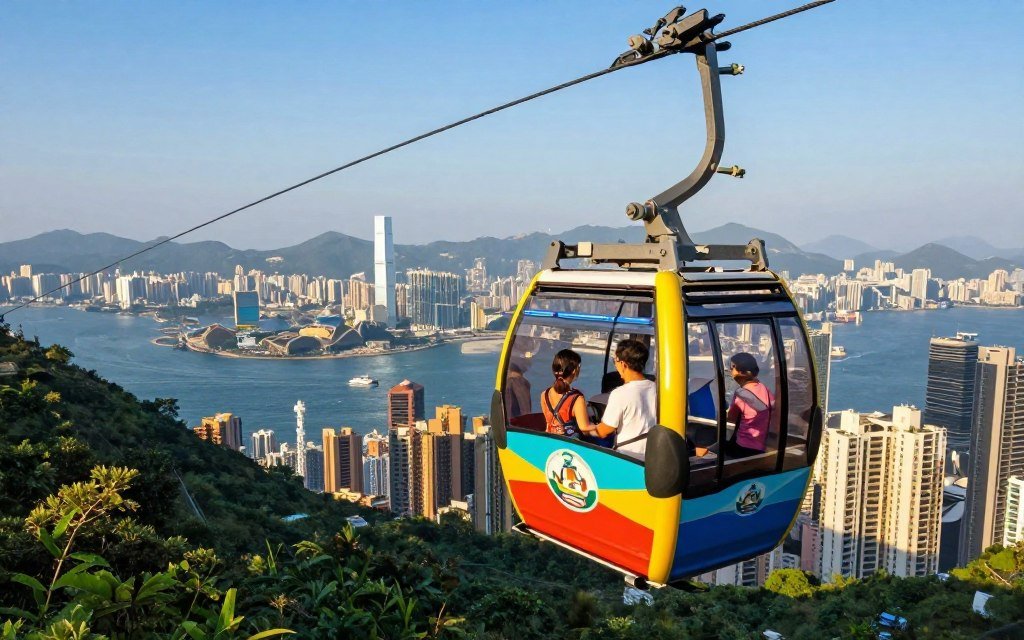
Getting around: cable car views vs Ocean Express speed
A ride choice can be part of the fun: linger on a cable journey or save time with the Ocean Express. Both link Waterfront and Summit, so pick what fits your mood, weather and energy.
When to take the cable car for the best views
Take the cable car early. Mornings usually bring clearer air and shorter lines, so you get better views and calmer photos.
If the day looks hazy or windy, swap the cable ride for a faster option — the scenery loses its charm in low visibility.
Ocean Express tips for families and tired legs
The Ocean Express is quick and predictable. It’s ideal when little ones need a nap or legs need a break.
Family-first tip: board the Ocean Express when queues swell after lunch. It keeps transfers simple and avoids long waits with kids.
Accessibility and pram-friendly planning
Passengers with prams should look for lifts and accessible lanes at each terminal. Use quieter times to move; avoid the peak rush when space is tight.
Keep snacks, water and a small blanket handy. These comfort moves create room for everyone and stop small meltdowns mid-queue.
“Try the cable one way for the experience and the Ocean Express the other way when you’re short on time.”
Ticket options and entry tips for visitors
Buying the right entry ticket ahead saves time and eases your day from the moment you arrive. Plan a little and you avoid common gate delays. 😊
Where to check official updates and buy passes
Get accurate information on opening hours, show schedules and closures at the official site: www.oceanpark.com.hk/en. Check the rules/closures page on the day you go so nothing catches you off guard.
For quick help, call ticket enquiries: +852-39232323. The customer service line is handy for international visitors needing clarity fast.
Separate admission areas and a simple entry routine
Note: Water World is a separate-admission park near the main site. Buy its pass separately and budget for it if you plan a split-day visit.
- Buy tickets in advance when possible and screenshot confirmations.
- Keep an email backup and have QR codes ready at entry.
- Arrive light, decide your first zone, and scan in to save time.
“Carry digital and paper copies of your pass — it speeds entry and keeps everyone calm.”
Aqua City highlights: Grand Aquarium and harbour vibes
Start your day in Aqua City if you want a calm, show-stopping moment before the crowds swell. It’s an ideal first stop and a gentle way to set the tone for the rest of your visit to ocean park.
Grand Aquarium: the centrepiece tank and standout species
The Grand Aquarium houses a 5.24 million litre tank that held 5,000+ fish across 400+ species at opening. You’ll spot recognisable giants like scalloped hammerhead sharks, manta rays and Pacific bluefin tuna.
Why it impresses: the dome-like viewing area feels immersive. The scale and variety of animals create a real “wow” moment without speed or noise.
How to time your visit for calmer viewing
Arrive early or go around typical lunch hours when queues dip. That gives you quieter viewing and better photo chances. Move slowly; rushing ruins the experience.
Parents’ tip: this zone is a great mid-day reset — cool air, calm exhibits and time to regroup before heading back outside toward the South China Sea views nearby.
“Aqua City offers calm, clarity and one of the best aquatic attractions in hong kong.”
Shark Mystique: Hong Kong’s big shark-viewing experience
Descend through layered viewing decks to see large marine species from multiple vantage points. The design feels calm and immersive, not rushed.
Shark Mystique opened in June 2014 and centres on a 2.2 million L tank. The display spirals down three storeys with a 360° panorama. At launch it housed about 130 sharks and rays across 15 species, giving a real sense of scale.
What you’ll see in the multi-level panorama
You’ll spot large sharks and graceful rays gliding past the glass. The layout makes animals appear close at different heights. It’s a photographer’s dream without a rollercoaster queue.
- Must-do if you love marine life: immersive, multi-level viewing that highlights behaviour and size.
- Expect: sharks and rays at scale — slow, predictable movement for good photos.
- Queue-smart timing: go early, late, or during peak ride times for quieter sightlines.
- Best angle tip: walk the spiral once, then loop back to your favourite viewpoint for shots.
“It’s more awe than fear — a controlled exhibit that suits curious visitors and cautious guests alike.”
| Feature | Detail | Why it matters |
|---|---|---|
| Tank size | 2.2 million L | Immersive scale for viewing |
| Species at opening | 130 sharks & rays (15 species) | Varied animal displays |
| Layout | Three-storey 360° spiral | Multiple angles without crowds |
Tip: Shark Mystique is a calm highlight of the wider ocean park experience. It balances thrills with education and fits well into a day that mixes animals and rides.
Polar Adventure: penguins, walruses and cool-climate habitats
Polar Adventure opened in 2012 and is a welcome cool-down stop when humidity bites. This shaded zone houses penguins, Pacific walruses, seals, northern sea lions, snowy owls and Arctic foxes. The design centres on calm viewing and conservation messaging rather than speed.
Best times to visit for active animal behaviour
Animals here often show the most activity in the cooler parts of the day. Aim for early morning or late afternoon to catch natural feeding energy and social behaviours. Midday tends to be quieter as many species rest.
How to keep kids engaged with conservation messaging
Turn the visit into a short spotting mission. Ask simple questions: “Can you count the penguins?” or “Who has whiskers?” Little prompts keep kids curious without sounding like a lesson.
- Pacing tip: visit Polar Adventure after a block of rides — it acts as a gentle reward and a sensory reset.
- Etiquette: keep voices down, don’t tap glass, and let kids watch for a few minutes before moving on.
- Real-world link: tie the conservation theme to choices like reusables and less single-use plastic — small actions that feel empowering for a family.
For a quick visual preview and visitor moments, see this photo set of the exhibit: Polar Adventure photo highlights. It’s a calm, educational stop that complements the thrill sections of the park and suits families looking to learn while they relax.
Amazing Asian Animals: pandas and rare wildlife encounters
Plan your visit around animal routines and you’ll see more than sleepy pandas. This compact zone opened in 2009 and feels like a calm wildlife stop within the wider site. It showcases rare Asian animals and easy-to-follow exhibits for families.
Giant panda viewing tips and etiquette
Arrive with realistic expectations: pandas nap often. Use timing and patience to boost your chances of active viewing.
- Timing: first pass on arrival, then return later after exploring nearby exhibits.
- Etiquette: no flash, keep voices low, and move when staff ask — teach kids the “quiet voice” challenge.
- Practical: have one person hold a spot while others explore short nearby exhibits to avoid long static queues.
Other must-see species in this zone
The zone isn’t just about pandas. Red pandas, Asian small-clawed otters and the Chinese giant salamander make memorable stops.
Turn each display into a quick learning moment: ask, “What does this animal need to thrive?” It keeps kids curious without heavy facts.
“Think of this area as a wildlife home base — short visits, calm pacing and a second look often pay off.”
| Species | Why visit | Best time to see activity |
|---|---|---|
| Giant panda | Iconic, crowd favourite; great for photos when active | Morning or late afternoon |
| Red panda | Playful and photogenic; quieter viewing | Mid-morning |
| Asian small-clawed otter | Interactive behaviour, great for kids | After feeding talks / midday |
| Chinese giant salamander & alligator | Unique regional species; educational displays | All day (lower activity but steady viewing) |
Quick strategy: do a first pass, explore adjoining zones, then come back for a second look when crowds shift. That simple rhythm lifts your viewing odds and keeps the day relaxed. 😊
Rainforest zone: trail experiences and the raft ride
Expect dense foliage, curious animals and a brief raft ride that gives you a splash of fun between exhibits. The Rainforest opened in June 2011 and blends an expedition trail with a roughly three‑minute raft ride.
What to expect from the walk-through
The trail feels part exhibit, part jungle walk. You may spot capybara, pygmy marmosets, a green anaconda and kinkajou among 70+ species.
Tip: move slowly to catch shy wildlife and use shaded viewing points for better photos.
How to pace this area in humid weather
South China humidity can make the zone steamy. Slow your pace, carry water and pack spare tees or deodorant — small comforts save time and stress. 😊
Use a two-speed approach: take the trail calmly for animal spotting, then return later for the more active rides when you’re cooler and ready.
“Do the trail for quiet wildlife moments, then ride the raft as a short, fun break from walking.”
- Keep kids engaged: ask them to count animals, spot fur colours or find a long tail.
- The raft is short and family-friendly — ideal between exhibitions or after a long walk.
- Plan water breaks and shade stops to avoid burning out in the midday heat.
Old Hong Kong: a nostalgic break between rides and animals
Step into a slice of mid‑20th‑century streetscape to slow the pace and soak in local colour. Old Hong Kong opened in March 2012 and recreates the feel of 1950s–1970s neighbourhood life. It’s a calm, walkable zone that feels like a small cultural detour inside the wider park.
What this zone recreates and why it’s worth your time
This area reimagines narrow lanes, vintage shopfronts and simple street snacks. It’s not filler—it’s a designed rest stop that gives you time to breathe and reset.
- Reset button: use it when queues swell or after back-to-back attractions.
- Grab a snack, take photos, and stroll slowly to rest your legs and mind.
- It links neatly to a broader hong kong trip — a mini cultural stop without leaving the site.
- Family tip: pram-friendly routes make it ideal when little ones need downtime.
“A quiet, nostalgic interlude that refreshes you for the next round of rides or exhibits.”
| Feature | Why visit | Best for |
|---|---|---|
| Vintage streetscape | Atmosphere and photos | Couples, families |
| Snack stalls & seating | Quick refresh | Pram users, older visitors |
| Slow stroll routes | Gentle pacing | Anyone needing a break |
Rides and attractions: balancing thrills with animal exhibits
A smart mix of adrenaline and calm exhibits makes for the most enjoyable day; you don’t need to do everything. Start by choosing three must-do attractions and use those as your day’s backbone. Build around fixed feedings and shows so you don’t miss the highlights.
How to build a “best of both worlds” itinerary
Pick 1–2 major rides and 1–2 animal exhibits as anchors. Plan shows or feedings between those anchors. This keeps momentum without racing from place to place.
Tips for families vs adrenaline seekers
- Family playbook: choose shorter queues, indoor exhibits and regular breaks. Let little ones lead the pace and stash snacks for quick wins.
- Adrenaline playbook: hit the Summit rides at opening, then cool down with exhibits in the afternoon when queues ease.
Managing wait times without missing key shows and feedings
Prioritise your top three. Use off-peak windows for flexible attractions and save indoor exhibits as backup when queues spike. Buy ahead and arrive early — a simple ticket move that saves serious time.
“Anchor your day to the show schedule, then slot rides around those fixed moments.”
If queues blow out, switch zones, see an indoor exhibit, then return later. It’s an easy way to keep the day fun and stress-free. For a quick history or background on the site, see Ocean Park history.
Visitor essentials: amenities, accessibility and services
A little forward planning around services and facilities makes your day far less hectic. Pack a small checklist and you’ll move through the site with calm and confidence. 😊
Parking, stroller rental and baby care rooms
On arrival, look for the designated parking zones close to the main gates. If you travel with a pram, rental counters are available near entry.
Baby care rooms sit in key indoor areas for quick nappy changes, feeding and a short rest. Use them as planned breaks rather than emergency stops.
Accessible lanes and mobility-friendly planning
Accessible lanes cut down stairs and give smoother routes for mobility aids and passengers with limited mobility. Follow signage and staff guidance to avoid steep walks.
If legs are tired, choose the Ocean Express for transfers rather than the cable car. It’s faster and friendlier for prams and mobility gear.
Who to contact for ticket enquiries
If a booking issue crops up, call ticket enquiries at +852-39232323 for clear, quick information. Staff can advise on entry, transfers and service options so visitors stay relaxed.
“Build short rest beats into your day — shade, indoor exhibits and water stops keep everyone happy.”
- Tip: plan hydration and shade breaks every 60–90 minutes for kids and older visitors.
- Keep ticket screenshots and ID handy to speed entry.
Water World: the all-season water park next door
Water World offers wet thrills and calm pools — a very different experience to the main site’s animal zones. It opened on 21 September 2021 and markets itself as Asia’s first all-season water destination, with 27 indoor and outdoor attractions at launch.
How this water venue differs from the main attraction
This is a slides-and-pools venue, not an animal exhibit. Expect flumes, wave pools, lazy rivers and indoor play areas rather than aquariums or shows.
Bottom line: go for water fun, not wildlife viewing. It changes your pacing and the kit you bring.
Separate ticketing and split‑day planning
Water World charges admission separately. Buy its ticket in advance if you plan a dedicated day, or leave it as an add-on after you finish at the main site.
- Dedicated day: best if slides are your priority and you want to move at leisure.
- Split day: pick one anchor experience in each place — one major ride at the main site, one major slide here — so you don’t sprint.
What “all‑season” means for your packing list
All‑season means many attractions are indoors, so you’ll use sun and rain gear in one visit. Pack a quick‑dry towel, a light change of clothes and water shoes.
Aussie tip: Hong Kong humidity and South China Sea breezes make quick-dry swimwear a smart choice for comfort and faster transitions.
Capacity, crowds and timing your slides
At opening it ran at half capacity (4,500 visitors). Popular slides fill fast, so arrive early or save later sessions for shorter lines.
Timing strategy: hit signature slides at opening, take a long indoor break at peak midday, then return for calmer late‑afternoon sessions.
“Treat Water World as a full experience: one anchor here and one at the main site stops your day turning into a race.”
| Feature | Water World | Main site |
|---|---|---|
| Focus | Slides, pools, indoor attractions | Animals, exhibits, rides |
| Ticketing | Separate admission required | Main admission covers most zones |
| Best for | Heat relief and group fun | Wildlife viewing and mixed attractions |
| Peak strategy | Arrive early / late session | Ride early, view later |
What’s on and park notices to check before your trip
Ask three questions before you step out: what’s open, what’s on, and are there any critical alerts? A quick five‑minute check saves hours of waiting and disappointments.
Seasonal events and themed parties
Special events change the mood and the crowds. The Halloween Bash is a major seasonal party and draws large evening crowds. If you enjoy atmosphere and evening shows, it’s worth going.
If you prefer a quieter day, avoid major event dates. Special programmes can push foot traffic into certain zones and shift show times.
Critical notices and last‑minute closures
Before you leave the hotel, check official updates for hours, programme schedules and CRITICAL NOTICE alerts. Attractions and shows can be temporarily unavailable.
“Always confirm on the day — things change fast and often without long notice.”
Temporary suspension note
Important: the “Gala of Lights” show is under temporary suspension from 5 January 2026. Don’t plan evening visits or timing around this show for now.
- Check opening hours and show times on the official site.
- Decide if a special party suits your group or if it will add unwanted crowding.
- Have a quick Plan B: pick a second‑choice zone if your first pick is closed or packed.
| What to check | Why it matters | Quick action |
|---|---|---|
| Operating hours | Affects your route and ride timing | Confirm same morning |
| Special events (eg. Halloween Bash) | Changes crowd flow and evening access | Decide to join or avoid |
| Critical notices / closures | Makes attractions unavailable | Pick Plan B zone |
Conclusion
Pick your priorities — animals, rides, shows or views — and build the day around them. Start early, choose Waterfront or Summit first, and use the fastest transfer option between zones for less walking and more fun.
Remember the lasting moments: the Grand Aquarium’s big viewing, dramatic shark displays, panda encounters and the cool Polar Adventure habitats. These are the memories most visitors keep.
Check official information before you leave, especially during big seasonal parties or school holidays. Pack breaks into your plan so the day feels like an adventure, not a marathon😊
Quick checklist: tickets sorted, comfy shoes, water bottle, weather check and a flexible Plan B. For background on site redevelopment and visitor trends see this park redevelopment study.