Ready for a smooth crossing? This quick guide gives you clear, mobile-friendly steps so you can move between cities without second-guessing terminals, tickets or border checks.
Fast facts: the popular Sheung Wan to Taipa route covers about 64 km and usually takes roughly one hour on high-speed services. Typical ticket prices range widely, so expect seasonal change and service fees.
You’ll get a step-by-step plan that maps the most common option first, then shows alternatives from Kowloon or the airport. We name real operators and terminals so you know what to tap and what to queue for.
Practical tips: time your crossing to fit a day trip or an overnight stay. Pack documents, check schedules on your phone, and arrive a little early to clear border formalities smoothly.
Key Takeaways
- You get a clear plan for the hong kong macau ferry trip, from tickets to terminals.
- Sheung Wan to Taipa is the fastest common route — about 1 hour for ~64 km.
- Prices vary; check operators and seasonal timing before you book.
- Alternatives exist from Kowloon and the airport if your schedule differs.
- Bring documents, arrive early, and use mobile booking for a smoother journey.
Why take the ferry for Hong Kong to Macau travel
For many travellers, the swift sea link is the easiest way to organise a day trip. You get speed, regular options and a short break from city traffic. This makes the journey ideal for quick visits or overnight stays.
Fast crossings and frequent departures
High-speed services run often on the main route. Expect about 36 sailings daily and roughly 237 weekly. That frequency keeps your plans flexible and lowers stress when schedules change.
What the 62–65 km distance means
The route covers ~35 nautical miles, about 65 km. Typical duration is around one hour, so the trip fits neatly into a day out.
- Why choose this option: fast crossing, simple process, and scenic views.
- When to watch out: queues, passport checks and rough weather can add extra minutes.
- Quick checklist: book ahead, leave a buffer for immigration, pack light for a smooth ride.
| Feature | Typical value | What it means for you |
|---|---|---|
| Daily sailings | ~36 | Plenty of choices across the day |
| Weekly sailings | ~237 | Easy to find a slot even on short notice |
| Distance | ~35 nm / 65 km | Short ride with a clear time estimate |
| Typical duration | ~1 hour | Great for day trips and short visits |
Hong Kong ferry departure terminals you can use
Where you leave from shapes your trip—here are the four main terminals and when to use each.
Hong Kong Macau Ferry Terminal (Sheung Wan)
Sheung Wan is the default for many travellers. It sits close to central districts and has the most sailings. Choose it for frequent departures and easy MTR or taxi links.
China Ferry Terminal (Tsim Sha Tsui)
This terminal suits anyone already in Kowloon. You avoid a harbour cross and save time if your hotel is nearby.
Tuen Mun Ferry Pier
Handy for the New Territories. It has fewer sailings, so check schedules before you commit. Use it when you want a shorter land trip to the pier.
SkyPier (Hong Kong International Airport)
SkyPier is for transit passengers only. You must have a valid connecting flight and stay inside the airport transit area. Don’t turn up without the right connection.
- Quick how-to-get-there: MTR for Sheung Wan and Tsim Sha Tsui, buses or taxis for Tuen Mun, and airport shuttle for SkyPier.
- Tip: Pick the terminal closest to where you’ll be that day to cut time and stress.
| Terminal | Best for | Notes |
|---|---|---|
| Sheung Wan | Central arrivals, frequent sailings | Many daily departures; best default choice |
| Tsim Sha Tsui | Kowloon-based travellers | Avoids harbour crossing; easy MTR access |
| Tuen Mun | New Territories residents | Fewer sailings; good if local to the area |
| SkyPier (Airport) | Transit passengers only | Must have a connecting flight; restricted area access |
Macau ferry arrival terminals and which one to choose
Pick your arrival terminal based on whether you want casinos and modern resorts or the old town’s lanes and plazas. 😊
Taipa for Cotai, casinos and airport access
The taipa ferry terminal is the practical pick if your first stop is the Cotai strip, shopping complexes or the airport area. Hotel shuttles often meet arrivals here.
Tip: look for bus 26 if you plan public transport — it links key spots on Taipa and Cotai.
Outer Harbour for the historic centre
Arriving at the outer harbour puts Senado Square and the Ruins of St Paul’s within easy reach. This harbour ferry terminal is closer to older streets and tourist sites.
Bus 3 commonly serves the route from outer harbour to central attractions, though routes can change — confirm locally.
Quick transport options from each terminal
Both terminals offer hotel shuttles, public buses and plentiful taxis. Taxis are simple and fast if you’re short on time.
- If your first stop is Cotai → Taipa.
- If your first stop is the historic centre → Outer Harbour.
- Choosing the right terminal can save time and taxi fares, especially for a day trip.
| Terminal | Best for | Common transport |
|---|---|---|
| Taipa Ferry Terminal | Cotai, casinos, airport | Shuttles, bus 26, taxis |
| Outer Harbour | Historic centre, old town | Bus 3, local buses, taxis |
| Decision rule | Where you head first | Pick terminal that matches your plan |
hong kong macau ferry operators and routes
Two main operators run the fast sea link: TurboJet and Cotai Water Jet. Each offers different timetables, terminals and ticket types, so choose the one that matches your plan.
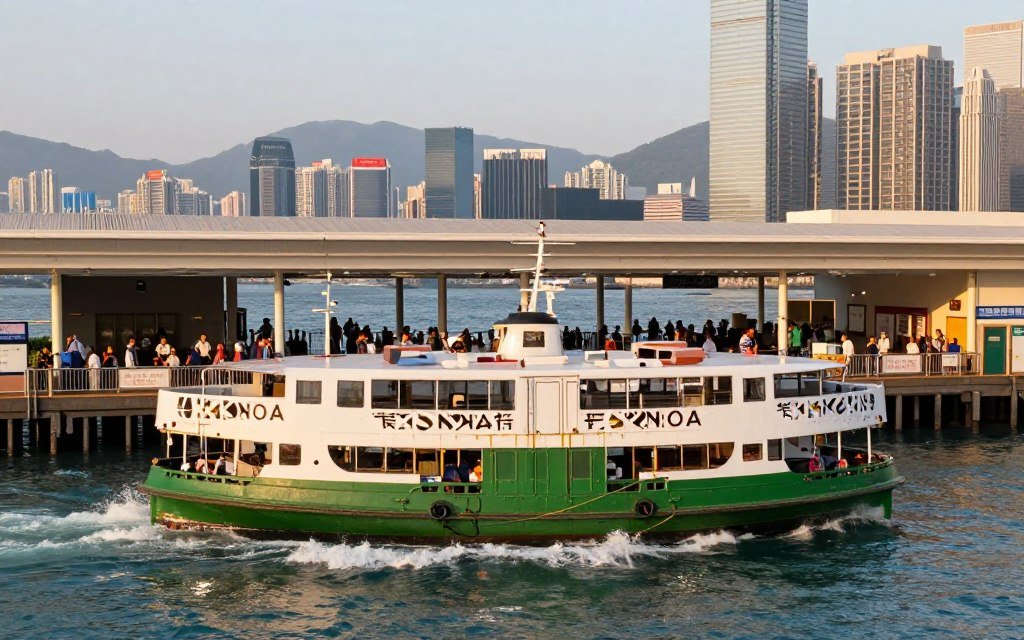
TurboJet services between Hong Kong and Macau
TurboJet focuses on frequent sailings and broad terminal coverage. Expect comfortable seating and standard onboard service. Check the terminal name before you buy — “Macau” can mean Taipa or Outer Harbour.
Cotai Water Jet and Cotai Water routes to Taipa
Cotai Water Jet (also called cotai water) targets Taipa and Cotai arrivals. This operator often suits travellers bound for casinos and the airport area. The water jet boats are quick and have handy shuttle links on arrival.
Most common route: Sheung Wan to Taipa
Why it’s popular: Sheung Wan is central and puts you close to Cotai connections in a short ride. Pick your operator by schedule, ticket type and arrival terminal rather than brand alone.
“Always check the operator, route name and terminal on your ticket — it saves time at the gate.”
- Compare times, not just prices.
- Sanity-check terminal names before payment.
- Expect air‑con, short crossings and simple seating on these services.
Ferry schedules, frequency and best times to travel
Plan your day around the sailings: mornings start early and evenings finish late on the Sheung Wan route.
The earliest service usually leaves at about 07:30. The last scheduled sailing is commonly near 22:30. These bookends help you plan a same-day return or an overnight stay with confidence.
How many daily and weekly sailings to expect
Expect roughly 36 daily and about 237 weekly sailings on the main route. That amount means plenty of choice, but peak windows can still sell out fast.
How seasonal changes can affect timetables
Timetables shift with season, public holidays and school breaks. Weekends and long holidays bring bigger queues and higher demand.
Tip: check live schedules the day before you travel and build a buffer for immigration and boarding.
- Best quiet times: mid‑morning or mid‑afternoon to avoid commuter peaks.
- Busy periods: early morning and early evening — aim for an alternate sailing if possible.
- Planning rule: allow extra time at the terminal rather than counting only sailing time.
| Item | Typical value | Why it matters |
|---|---|---|
| First departure (Sheung Wan) | ~07:30 | Good for early starts and day trips |
| Last departure (Sheung Wan) | ~22:30 | Allows late arrivals and evening plans |
| Daily sailings | ~36 | Plenty of options; book early in peak days |
| Weekly sailings | ~237 | Flexibility across the week; check seasonal changes |
Duration, distance and what to expect on the crossing
The on-water leg is short, but the full trip needs realistic timing. Expect an efficient crossing with a clear door-to-door rhythm. Build in check-in, immigration and boarding time so your plans stay relaxed.
Average ride time on high-speed services
The typical duration of the high-speed run is around one hour. The distance covered is about 35 nautical miles (~65 km).
That means the actual ride feels brisk. Still, door-to-door time usually runs longer once you add terminal checks and queues.
Weather and service factors that can change travel time
Wind, swell and operational decisions can add minutes or, rarely, more. The same 35 nm distance can feel different day to day.
On choppy days pick a mid‑ship seat, stay hydrated and avoid a heavy meal to reduce seasickness risk.
- Practical rule: allow a 60–90 minute buffer before any tight plans after arrival.
- What to expect: air‑conditioned cabins, quick boarding once gates open, and a short efficient ride overall.
| Item | Typical value | Why it matters |
|---|---|---|
| Ride duration | ~1 hour | Short and predictable on fast craft |
| Distance | ~35 nm / 65 km | Quick sea leg but needs shore time |
| Service variability | Low–moderate | Weather and operations can shift schedules |
| Door-to-door plan | Allow 2+ hours | Accounts for checks, boarding, and travel to/from terminals |
Hong Kong to Macau ferry ticket prices and what affects the price
Expect a broad price spread for crossings — understanding the drivers helps you pick the best value.
Typical price range and average costs
For the Sheung Wan → Taipa route fares usually sit between $69 and $332. The simple average is about $143. That gives you a clear budgeting baseline for a solo trip, couple or family.
How time of day, holidays and ticket type shift prices
Prices rise on peak days and popular sailing times. Early morning and late evening runs can cost less or more depending on demand.
Seat class and how close you book also move the price. Premium seats or last‑minute tickets often carry higher costs.
Service fees and what may not be included
Headline fares commonly exclude booking and service fees. Expect small extras at checkout for handling or payment.
- Quick tips: sometimes paying a bit more for a better time saves taxi fares and queueing time.
- Vehicle note: cars are not allowed on standard passenger services, so ignore any vehicle pricing results.
- Checklist — may not be included: refund fees, change penalties and onboard upgrades.
Value check: compare like‑for‑like tickets and confirm extras before you buy. For live rates and schedules see the sailing schedule and fares.
How to book ferry tickets step-by-step
Small choices — terminal, operator, seat — add up to a smoother travel day if you plan them in order. Follow these short steps and you’ll avoid last-minute rushes.
Choosing your departure and arrival terminals
Pick a ferry terminal close to where you’ll start and the Taipa ferry terminal or Outer Harbour close to where you’ll end. That saves time and taxi fares.
Tip: Sheung Wan is the common departure for fast services to Taipa and Cotai.
Selecting operator and sailing time
Decide between TurboJet and cotai water jet/water jet based on arrival terminal and schedule. Choose a sailing that fits your whole day, not just the crossing.
Comparing fares and checking live availability
Compare tickets by seat class and timing — the cheapest ticket can mean a poor time. Check live availability before you commit, especially on weekends and holidays.
“Always confirm availability on the operator’s site before you pay.”
Booking e-tickets and managing changes
- Pick terminals and a sailing that match your plan.
- Select operator and seat class (standard or premium).
- Compare prices and check live seats.
- Buy e-tickets, save a screenshot and keep the email backup.
- Review change and refund rules before you finalise payment.
| Step | Focus | Why it matters |
|---|---|---|
| Choose terminal | Departure & arrival | Reduces travel time and costs |
| Select operator | TurboJet / cotai water jet | Matches terminal and schedule |
| Book e-ticket | Save mobile copy | Faster check-in and fewer queues |
Boarding, immigration and travel documents for Macau and Hong Kong
A calm crossing starts at the terminal — and a 30–45 minute buffer makes a big difference.
When to arrive
Plan to reach the ferry terminal at least 30 minutes before departure. If you travel at peak time or need to check luggage, allow 45 minutes. This gives you time for ticket checks, security-style screening and boarding without rush.
What happens at the gate
Staff will verify your booking, then you pass a short security check. After that you join immigration lines for exit and entry checks. You’ll clear both sides depending on the route — border control is part of the flow.
Documents and practical tips
- Keep passport or valid ID ready — have it out, not buried in a bag.
- Check visa rules for your nationality; Australians should confirm entry conditions and show onward plans if asked.
- Small cash in HKD and MOP helps for taxis, snacks or the occasional shuttle.
| Item | Recommended action | Why it helps |
|---|---|---|
| Arrival time | 30–45 minutes early | Clears check-in, security and immigration |
| Documents | Passport / valid ID in hand | Speeds up identity checks |
| Currency | Carry small HKD and MOP | Buys buses, taxis and snacks on arrival |
| Transit tip | Confirm shuttle or service links beforehand | Avoids delays after disembarkation |
Luggage rules, seating classes and on-board services
Before you board, a quick check of baggage rules and seat classes saves time and stress. This short guide explains typical allowances, what each class gives you, and simple comfort tips for the one‑hour duration.
Standard baggage allowance and size/weight limits
Most operators allow one checked item up to about 20 kg and roughly 76×56×23 cm. Rules can vary by operator and service, so double-check if you travel with heavy shopping or sports gear.
If your bag is larger, you may face extra charges or need alternative arrangements. For details and updates see the luggage services page.
Seating options: Cotai Class, First Class and VIP Class
Cotai Class is the standard choice. It’s cost‑effective and comfortable for most travellers.
First Class adds more legroom and sometimes priority boarding. VIP Class can include extras such as snacks, greater privacy and faster disembarkation.
Decide by how much time you want to save getting off the vessel and whether the extra perks match the ticket price.
Wi‑Fi, snacks and comfort tips for the one‑hour ride
On‑board services commonly include air‑conditioned seating and limited snack sales. Some operators and higher classes may offer complimentary Wi‑Fi and light refreshments.
- Seat tip: mid‑ship seats feel more stable if you’re sensitive to motion.
- Layer up: bring a light jumper — cabins can be chilly.
- Battery plan: charge devices before boarding; onboard power is not guaranteed.
- Boarding speed: your ticket class affects priority and can matter if you need to catch a shuttle on arrival.
What you can’t bring and common restrictions
Know the items you can’t bring before you pack — it saves time and stress at the terminal. This short guide gives clear, practical information so your day starts smoothly.
Cars and vehicles on services
Short answer: standard passenger services do not carry cars or scooters. If you need a car for onward travel, plan a different route or arrange vehicle hire on the far side.
What this means: don’t expect vehicle boarding, ramps or vehicle check-in at passenger piers. Use road links or longer freight options if you must move a vehicle.
Pets policy and guide dogs
Pets are typically not allowed on these crossings. That includes most cats, small dogs and other domestic animals.
Exception: certified guide dogs are usually permitted. Check the operator’s rules and carry supporting documents for the dog before you travel.
- Keep passports and ID ready at screening to avoid delays.
- Confirm specific rules with your chosen operator before booking.
- If you travel with a pet, arrange care on the departure side in advance.
| Item | Allowed? | Practical tip |
|---|---|---|
| Car / scooter | No | Use road transport or vehicle shipping alternatives |
| Pet (general) | No | Arrange local care; check kennel or pet-sitting options |
| Guide dog | Yes (usually) | Carry certification and contact operator in advance |
| Documents & screening | Required | Have travel documents ready to speed up checks |
“Confirm rules with the operator before you travel to avoid surprises at check-in.”
Getting to and from the ferry terminals smoothly
A calm start and finish begins with choosing the right link between your hotel and the pier. Match luggage, time and energy to the best transport option so the day feels easy from door to disembark.
Sheung Wan connections via MTR, buses and taxis
Sheung Wan is very well connected to the MTR. Use the metro when traffic is unpredictable; it’s fast and reliable.
Take buses if you prefer a cheaper option and your stop is close. Choose a taxi when you’re tight on time or carrying extra luggage.
Macau terminal transfers via shuttle buses, buses and taxis
At arrival, many hotels run free shuttle services to Cotai and Taipa. Spot the coach bays and confirm times before you land.
Public buses serve the Outer Harbour near the historic centre. Taxis are quick if you’re short on time or travelling as a family.
Practical tips for Australians travelling with kids or in peak periods
Allow extra time for queues and keep passports accessible. Pack snacks, wipes and a small change of clothes for little ones.
In peak season, book an earlier sailing and have a “next sailing” backup. Save terminal addresses and e-tickets on your phone.
“Pick the terminal that matches your first stop — Taipa for Cotai and airport access, Outer Harbour for the old town.”
| Need | Best option | Why |
|---|---|---|
| Fast, traffic-free | MTR to Sheung Wan | Predictable journey time |
| Hotel transfer | Resort shuttle / Taipa ferry terminal | Direct drop‑offs to Cotai hotels |
| Historic centre | Outer Harbour / public buses | Closer to Senado Square and streets |
Mini checklist: save terminal address, screenshot e-ticket, choose transport option, build a 30–45 minute buffer. For extra planning help see our hong kong to macau guide.
Conclusion
Wrap up with a few small steps and you’ll travel with confidence. Pick the right terminal, choose a sailing time, buy your ticket, arrive early for checks, then enjoy the short ride.
Key numbers to remember: the high‑speed leg is about 1 hour. Main routes commonly run ~36 sailings daily (≈237 weekly). Typical fares observed range from about $69–$332, with an average near $143 (excl. fees).
For first-timers, the Sheung Wan → Taipa run is the easiest choice. Outer Harbour suits the old town. Confirm live timetables and availability before you go — seasonal changes happen.
Final micro‑prompts: save e‑tickets, keep your passport handy and carry a small HKD/MOP cash buffer for onward transport. Treat the crossing as part of the trip — quick, scenic and worth the experience. See the latest Taipa schedule here.