Get a quick sense of the place so you can decide if it fits your style of travel from Australia. This guide paints a clear snapshot: calm pace, basic services, and short drives between highlights.
Where it sits: the Loyalty Islands sit off Grande Terre, and the vibe is very different to the main island. Expect turquoise bays, quiet beaches, cliffs and caves, plus strong local culture centred on Wé.
This is for Aussies after a simple South Pacific break — couples, solo travellers and families who want reliable, practical information without fuss. We won’t oversell big-city buzz or shopping malls; that’s not this place.
What you’ll learn here: planning tips, top highlights, local food and culture, vanilla farming notes and a relaxed 3-day plan. A quick mindset before you go — pack patience, start early and plan a little. Slow days reward you with the best memories 🙂
Key Takeaways
- Fast snapshot of pace, services and travel distances.
- Clear place context within New Caledonia and its unique feel.
- Expect natural beauty, quiet beaches and strong local culture.
- Guide suits Aussies, couples, solo travellers and families.
- Section-by-section layout: planning, highlights, culture, vanilla, 3-day plan.
- Before you go: embrace slow days, early starts and light planning.
Why Lifou is the Loyalty Islands escape Australians rave about
You’ll find big scenery, small crowds and a chance to meet people who keep strong local traditions.
Drehu at a glance: the largest of the Loyalty Islands
Drehu (pronounced “djéou”) is the largest option in the loyalty islands group. It has three districts — Wet, Gaïtcha and Lossi — and 37 tribes. That scale makes it easy to use as a base. You get variety of beaches and cliffs without feeling crowded.
What makes it different from Grande Terre and other South Pacific spots
The vibe here is quieter than Grande Terre. Expect fewer shops and more coastal nature. Cliffs, caves and wide lagoons are the highlights, not city energy.
Language and community matter: French and Drehu alternate in daily life. This is living culture, not a staged attraction. Many places sit on customary land, so you’ll often meet locals to get access to beaches or walks. Respectful curiosity goes a long way.
- Practical: short hop from Nouméa for Aussies and a big scenery payoff.
- Authentic: Drehu language, tribe life and daily customs shape the visit.
- Peaceful: calm bays, cliffs and fewer tourists than other south pacific spots.
| Feature | What to expect | Why it matters |
|---|---|---|
| Size & vibe | Largest in the loyalty islands, relaxed pace | Easy to base yourself and explore without crowds |
| Culture & language | Drehu spoken alongside French; 37 tribes | Genuine local interaction and customs on-site |
| Landscape | Lagoon beauty with cliffs and caves | Great photos, walks and a distinct coastal experience in the world |
Bottom line: this place rewards visitors who move at a slower pace and value direct contact with locals. Pack patience and curiosity — you’ll leave with a memorable experience. 🙂
Planning your trip from Australia to Lifou
Plan the practical steps first so travel from Australia feels easy and predictable. Fly into Nouméa, then connect on a short domestic flight to the local airport. Most visitors arrive this way and the scheduling keeps total travel time manageable.
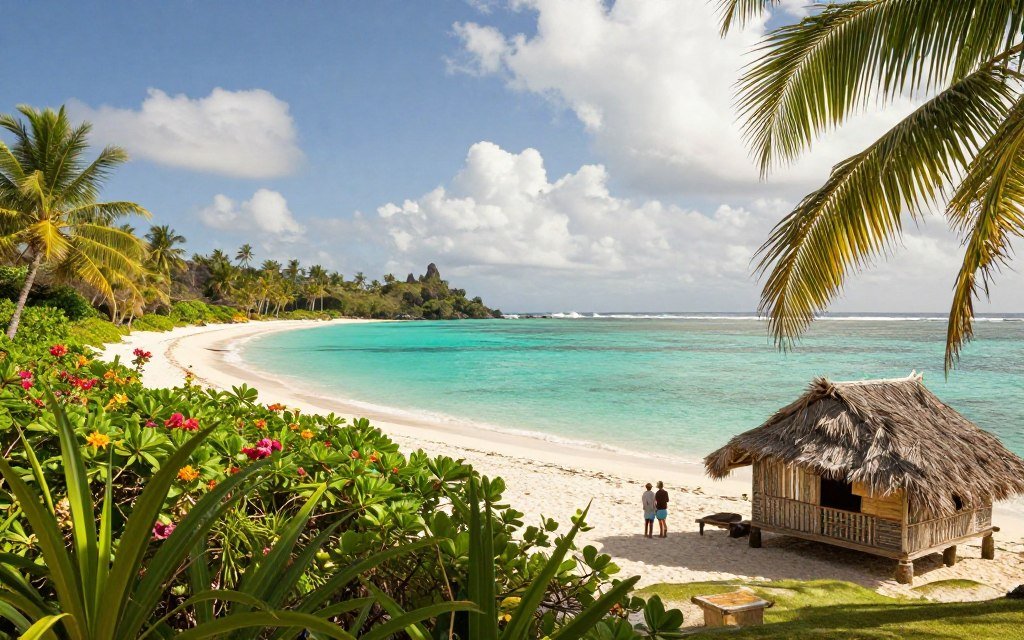
Getting there via Nouméa and onward flights to Lifou Airport
Book your Nouméa leg early so onward connections are simple. Domestic flights are regular but small. Expect a quick transfer at the airport and a short drive into Wé.
Where to base yourself: staying near Wé and around the island
Base near Wé if you want shops, markets and several tourist accommodations like Drehu Village Hotel. It’s convenient for first-night logistics.
Stay around the coast if you prefer quieter beaches and mornings on the sand. Choose your place based on how you like to spend mornings — easy cafés or private bays.
Getting around on Lifou: what to organise before you arrive
Arrange airport transfers, car hire or scooter bookings in advance. Check access for guided cave visits and seasonal closures so you don’t hit surprises.
- Quick checklist: passport and copies, local cash, reef shoes, snorkel gear, phone charger, and a backup plan for weather changes.
- Practical note: business hours are limited — stock snacks, petrol and essentials early.
lifou island new caledonia: the natural highlights you can’t miss
Bring reef boots and a camera: the coastline serves up crystal waters, fossil cliffs and hidden waterholes. Pick a couple of spots and match them to your energy for the day.
Jinek Bay marine reserve
Check access first. Jinek Bay is a “natural aquarium” and may be temporarily closed. When open, the cap is 200 visitors a day (100 morning / 100 afternoon).
Pack: mask, fins and reef-safe sunscreen. Move slowly in the water and follow guide rules to keep the reserve healthy.
Santal Bay & Easo Beach
Calm waters and soft sand make this an easy lagoon day. Turtles often swim close to shore and the short walk to Notre-Dame-de-Lourdes (built 1898) gives a top-tier view toward Jinek Bay.
Luengöni, Peng & Chateaubriand
Luengöni offers bright lagoon blues and the Jewels cave waterhole — book a guided visit for that intense blue swim.
Peng is best for snorkelling and sunset. Chateaubriand is for doing nothing on postcard-white sand.
Kiki, Jokin & the caves
Kiki Beach is earned via a 30-minute forest walk and a small right-of-way fee. Expect solitude and a cliff-top coastline view.
Jokin Cliffs show fossilised coral layers. Go July–September for whale spotting and clear ocean swims at the cliff foot.
Devil’s Cave and Jila cave sit on customary land. Book a guided visit, wear sturdy shoes, and show respect for sacred sites.
- Choose your day: snorkel, swim, short walks, viewpoints or a cave tour.
Culture, tribes and local flavours in Wé and beyond
Start your visit in Wé to feel the place’s rhythm and meet the people who keep daily life moving.
Wé market runs on Wednesdays and Fridays. Arrive mid-morning for the best stalls. Look for seasonal produce, grilled snacks and simple lunch items you can eat while you wander.
Wé market: when it runs and what to taste
Market browsing is the quickest intro to local cuisine and culture. Try small bites, fresh fruit and street-style seafood.
Stick around at the end — a lively bingo game sometimes wraps things up. It’s a fun, spontaneous moment worth seeing. 🙂
Staying with a tribe: Kanak hospitality and hut stays
Stays with a tribe can include sleeping in a traditional Kanak hut. Hosts guide the rhythm of the day, so follow their lead and ask questions kindly.
Bringing a small gift is a respectful gesture, not an obligation. Simple items or a token from home are fine.
Local dishes to look for
Bougna is the must-try dish — it’s usually an earth‑oven meal of fish, root veg and banana leaves. Spot it on menus or ask at the market stalls.
Fresh seafood is everywhere. If your French is a bit rusty, point and smile — ordering grilled fish or prawns is easy and satisfying.
- Things to remember: always ask before taking photos, dress modestly at village sites and treat customary land like someone’s home.
- If you want a light read before visiting, check short articles on local produce like this local produce page to learn a bit more about flavours and farming.
Vanilla on Lifou: plantations, heritage and what to bring home
Vanilla shapes daily life here — from home gardens to family-run businesses that send flavour around the world. Production is widespread and it matters: this spice supports local income and keeps traditions alive in New Caledonia.
Inside a plantation visit
On a tour you’ll see vines trained on supports, hand‑pollination, and careful curing of the pods. Guides explain the months of work that make each bean fragrant.
The visit feels hands-on and calm. It’s a short, meaningful experience between beaches and viewpoints.
Where to buy and what to check
Maison de la Vanille is the reliable stop for beans, syrups and vanilla sugars. It’s perfect if you’re short on time.
- Check pods are glossy, flexible and plump — not dry or brittle.
- Smell them: a strong, sweet scent is a good sign.
- Store beans in an airtight jar away from heat once home.
Budget guide: small packs suit casual gifts; premium pods cost more but last longer and travel better. Avoid bargain tins that lack aroma by the flight home.
Vanilla’s reputation has grown in recent years, so a quick stop adds local business insight to your trip. For more trip ideas and practical information, see this roundup of top things to do on island lifou. 🙂
A relaxed Lifou itinerary for three days
Take a relaxed three‑day flow that favours sunlight, short drives and time to breathe.
Arrival day: settle into Wé, check market days (Wednesdays & Fridays) and grab an easy lunch at Fetra Sun. That first slow meal sets the tone and helps you tune into local rhythms.
Lagoon day: loop Santal Bay and Easo Beach for a swim, then the short walk up to the Notre‑Dame‑de‑Lourdes chapel (built 1898) for a sweeping ocean view. Photo light is best early or late.
Adventure day: head to Jokin Cliffs to see fossilised coral layers. Pick either snorkelling or diving depending on conditions and confidence. Add a cave detour if access and tribe permissions allow.
South coast finale: reserve the Jewels of Luengöni, enjoy Luengöni Beach and finish with a vanilla stop for a useful souvenir.
If you have extra time: consider a Tiga day‑trip by Ieneic catamaran (≈2 hours each way) or a short Air Loyauté flight. Note: no shops or restaurants there, so plan accordingly.
Travelling with pals from New Zealand? This loop works well for cross‑Tasman groups. Choose your energy: swap an outing for a long beach session — that’s time well spent here. 🙂
For a narrative day plan and extra tips, read a day in Lifou with Anaelle and.
Conclusion
Pick this destination when slow days, clear water and meaningful local contact matter most. It’s an easy yes for a quieter New Caledonia trip — more nature, more culture and far fewer crowds than typical South Pacific spots.
What you’ll remember: bright water, soft sand, cliff views, cave swims on customary land, and vanilla worth bringing home. Base yourself near Wé, plan a little before arrival, then slow down and enjoy the pace.
Travel gently: respect local communities and ask before entering customary sites. Save this article, choose your top three spots and build your own short itinerary.
For a concise practical read, see this Lifou guide to help plan the way. 🙂