Boarding the P&O Pacific Explorer feels like stepping into a lively mini city at sea. Thousands of people, constant service work and hidden logistics keep everything running. This guide gives quick wins so your week stays easy, not chaotic.
Expect crowds at set times. Queues form predictably at check-in, buffets and tender gates. Knowing when to move makes you feel organised, not rushed.
We’ll show what to pack in your carry-on, what to do if your cabin isn’t ready, and how to skip peak dining lines. You’ll also learn how to lock in activities you really want.
First-timers: it’s normal to feel overwhelmed on day one. The ship resets between sailings and many people board at once. With a few simple moves, your holiday will start smoothly, especially on Aussie departures from Sydney.
What’s ahead: cabins, seasickness fixes, decks, dining, coffee and bars, entertainment, party nights and port planning including Norfolk Island. You’ve got this — pick what helps you relax and enjoy the cruise experience.
Key Takeaways
- Plan around busy times to avoid queues and crowds.
- Pack a smart carry-on with essentials for immediate comfort.
- If your cabin’s delayed, use ship services and relax in public spaces.
- Book popular activities early to secure spots.
- Follow Aussie embarkation timings for a smoother start to your holiday.
What to know before you sail on P&O Pacific Explorer
A short primer on ship routines helps you avoid crowds and enjoy quieter moments during your cruise. The vessel runs like a small city: thousands of guests, multiple restaurants, 24/7 room service and constant cleaning. Meal production can reach around 10,000 meals a day, so timings matter.
Set expectations for ship life, service and crowds
Service is friendly but system-driven. Staff follow schedules to keep things moving. Check the daily planner, arrive a bit early for events and have a backup plan if a venue is full.
High-energy moments happen at embarkation, sea-day lunch and after shows. Quiet pockets appear mid-morning on sea days and late afternoons on port days. Choose where you want to be.
Plan around your cruise length, sea days and port days
Short cruises often feel party-focused. Longer cruises let you settle into a routine and spread activities across more time.
- Use sea days for shows, pools and ship activities.
- Use port days for shore time and quieter onboard spaces.
- Map your must-dos (one show, one specialty meal) to different days so you don’t cram everything into a single night.
Be patient and kind—small choices (off-peak dining, pre-booking) make service faster and friendlier. Quick prep checklist: travel docs ready, key bookings made and expect day one to be busy; it calms down fast. 😊
Embarkation day tips in Sydney for a smoother start
Embarkation day in Sydney moves fast; arriving prepared turns chaos into calm. Boarding commonly opens around 11:30am and cabins may not be ready until about 2pm. Expect crew working hard to reset the ship while families disembark and new guests come aboard.
Arrive ready and keep essentials in your day bag
Pack a small day bag. Include your travel documents, swimmers, motion-sickness meds, a light layer and a refillable water bottle. Your main luggage can take a while to reach your room, so keep what you need with you.
Use The Pantry for lunch if your cabin isn’t ready
If your room isn’t available, head straight to The Pantry. Grab lunch, claim a seat and let the ship settle while you explore nearby venues. Find the theatre, main lifts and a coffee spot so you know where to return later.
Don’t miss the compulsory muster drill
The muster drill is mandatory and the ship cannot depart until everyone is checked in. Your muster station is shown on your cruise card and on the back of your cabin door. Crew provide accessibility support from curbside through boarding if anyone in your family needs help.
- Quick checklist: swimmers/hat/sunscreen, meds, documents, water, light jacket.
- Expect queues at check-in and steady service at peak time.
- Take a gentle walk, learn key spaces, then pause for coffee while things calm. 🙂
Cabins, comfort and seasickness: settling in fast
Turn your room into a handy launch point for each busy day at sea. Unpack early, use the hanging space and drawers, and keep daily items—cards, chargers, meds—in one consistent spot. This makes life easier when you pop back between activities.
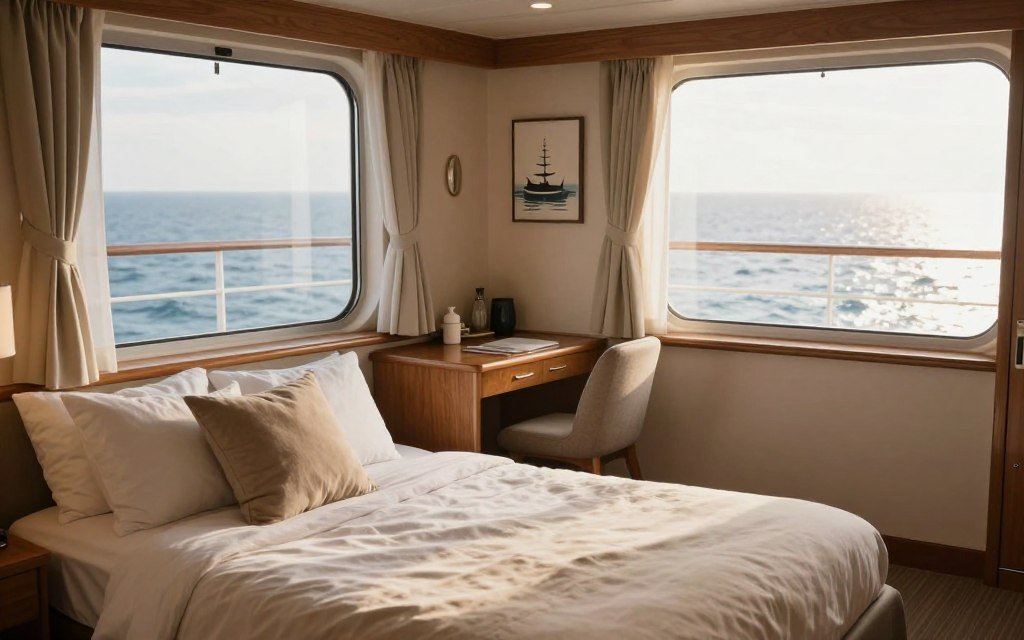
Make the most of storage, air-conditioning and bedding for better sleep
Control the things you can. Adjust the air-conditioning to your comfort and ask your cabin steward for help if a vent or bed setting is too warm.
Sleep tips: keep the room dark and cool at night, pack earplugs if you’re light-sleeping, and have a light layer handy for late-evening breezes.
Handle a rolling sea: practical habits that help on windy days
On a rolling sea, small habits make a big difference. Stay hydrated, sip water often, and eat small, regular meals.
- Get fresh air but avoid staring at close-up screens or reading if you feel off.
- Choose sheltered decks and use handrails when outside.
- Find your steady zone—mid-ship and lower decks feel less movement for many passengers.
Remember: seasickness can be a short-lived day-one thing. Your cabin is your reset button—use it for naps, quiet breaks and gearing up for the next night out. 😊
Getting around the ship: decks, shortcuts and accessibility
A little route planning helps you spot sun, shade and quieter corners so you enjoy each sea day more. Start by learning a few simple landmarks: the main lifts, the atrium and your go-to dining venue. These make moving across the deck easier and faster.
Pick the right spaces for sun, shade and shelter
Open decks are great for harbour sail-away and sun lounges. But on windy or chilly days, head to sheltered zones or indoor promenades. You’ll stay comfortable longer and avoid rushing back inside.
Mobility support and friendly crew assistance
If you use a wheelchair or a walking stick, ask for help early. One guest reported immediate support on arrival: wheelchair through registration, boarding help and clear advice on where to wait when disembarking. The crew were consistently pleasant.
- Landmarks method: pick three fixed points to guide your way—lifts, atrium, main restaurant.
- Claim your spot: arrive early for sun lounges on sea days, or choose quiet corners when it’s busy.
- Smart routing: use stairs for short hops or a quieter lift bank after shows to save time.
- Family meet-ups: kids often gather near activity hubs—choose calmer meeting points instead.
| Situation | Best deck area | Quick action |
|---|---|---|
| Harbour sail-away | Upper open deck | Arrive 10–15 minutes early |
| Windy or chilly day | Sheltered mid-ship deck | Move indoors or to windbreaks |
| After show crowd | Lower promenades / quiet lounges | Use stairs or alternate lift bank |
“Crew helped me from curb to cabin and told me where to wait when we left a port—made the whole day simple.”
Shortcuts matter. Learn a few decks and venues first, then expand. You don’t have to memorise everything—just a handful of routes and your day will flow. 😊
pacific explorer tips for packing, toiletries and what to carry onboard
A tidy day bag and a few clever extras will keep you ready for anything at sea. Start with the non-negotiables so you can board without stress.
What to pack for pool time, cooler sailings and theme nights
Pool kit: swimmers, thongs, a quick towel and reef-safe sunscreen. Add a light cover-up for when you step inside for lunch.
For cooler evenings, pack a windproof layer and one warmer outfit for night events. For theme nights, bring one simple accessory or outfit to join in without overpacking. 🙂
Smart carry-ons for boarding day
Keep meds, a change of clothes, swimmers, chargers and a power bank in your day bag. Include important documents and a refillable water bottle for on-deck use.
Small extras that improve cabin life
- Magnetic hooks for extra hanging space.
- Small laundry soap packets and a travel clothesline.
- Seasick aids and a basic first-aid kit.
| Item | Why it helps | Where to use it |
|---|---|---|
| Magnetic hooks | Creates extra storage on metal surfaces | Cabin walls, bathroom doors |
| Refillable water bottle | Stay hydrated on deck and shore | Pools, excursions, promenades |
| Spare outfit in carry-on | Useful if room access is delayed | Embarkation day, late arrivals |
Packing for ease: aim for one small day bag that handles pool, port and dinner transitions. Less to carry means more time enjoying your holiday. 😊
Dining game plan: restaurants, room service and how to avoid queues
A simple dining strategy turns busy meal times into relaxed breaks you actually enjoy. With eight restaurants and 24/7 room service, a little planning keeps you fed without the hangry wandering.
How The Pantry works
The Pantry is multi-station and great for day one. Choose from hot dishes, salads and made-to-order counters.
Peak times: lunch around 12:15–13:30 and dinner 18:00–19:30. Go slightly earlier or later to skip the longest line.
Specialty dining rundown
Angelo’s is your Italian date-night pick. Dragon Lady suits families or flavour-led sharing. Luke’s is casual-modern dining. Shell & Bones opens evenings for a treat-yourself seafood experience.
Late-night bites and room service
After shows, room service is fast and reliable. Order simple plates to avoid long waits. Late-night venues also serve snacks if you prefer to stay up for the party.
Dietary needs and booking strategy
The ship runs large kitchens with about 116 chefs and dedicated prep areas for vegetarian, gluten-free and allergy-aware meals.
Flag requirements early at the restaurant or when you book. Lock in specialty restaurants you really want and choose others on the day.
- Queue-dodging: arrive 10–20 minutes early, split duties (one gets a table, one queues).
- Free vs extra: main buffets and The Pantry are included; specialty restaurants cost extra.
| Restaurant | Style | Best time |
|---|---|---|
| Angelo’s | Italian | Date night |
| Dragon Lady | Asian fusion | Family/shared meals |
| Shell & Bones | Seafood, evening only | Celebration |
Small trust note: big chef teams and separate diet areas mean meals run smoothly when you plan your timing. For extra planning ideas, see this short cruise advice.
Drinks, coffee and bars: where to go for the best onboard vibe
Find the right onboard drink scene fast so you spend more time sipping and less time searching. Start with one or two favourites and use them as anchors for your evenings.
Choose the venue for the mood you want
Ocean Bar is the laid-back place for easy tunes and sunset drinks. The Explorer Hotel lounge buzzes if you want a lively social hub. For late-night energy, head to the Blue Room. 🙂
The Bonded Store mini mission
The Bonded Store sits behind a neat secret door. It’s cosy, moody and boutique. Ask for Archie Rose gin or whisky and try the house negroni as a safe first order.
Coffee and calibration matters
Coffee machines are checked at each turnaround because ship motion can alter calibration. That keeps espresso and milk textures more consistent across the voyage.
Find a go-to coffee spot early and stick with it when you’re short on time between breakfast, briefings and activities.
Bookable bar experiences
Bar Academy cocktail courses sell out. They’re fun for couples or mates and a handy indoor activity on sea days. If you want a cocktail class, book early.
- Pick one pre-dinner bar, one post-show spot and one late-night hangout to avoid wandering.
- Decide your treat nights and balance them with low-key afternoons — drinks add up fast.
- Mixing late nights with early ports? Hydrate, rest and save the spa visit for recovery time.
“A settled coffee and a planned bar hop made our nights simple and fun.”
Entertainment and activities: how to plan your nights
Pick a headline show or a late-night act first, then slot dinner and drinks around it. That simple rule keeps you ahead of crowds and spare-footed between venues. Build the night from one anchor and you’ll avoid sprinting across the ship.
Showtime strategy for Marquee Theatre
Marquee Theatre hosts the biggest productions and fills fast. Arrive early for popular shows, know whether you prefer front stalls or higher rows, and treat seating like a concert—pick your spot and stick to it.
Black Circus and late-night comedy
The Black Circus theatre is smaller and cheekier. Late-night comedians such as Hans the German often perform adults-only sets and sometimes charge a cover (often including a drink). Expect intimate energy and quick sell-outs.
Party nights and after-party flow
Themed events are lively but you don’t need a full costume to join in—one item makes you part of the crowd. The Blue Room after-party is packed and high-energy, so decide if you’re dancing till late or the early-exit type.
- Plan like a pro: anchor event → dinner → late activity.
- For families: pick earlier shows and tag-team later adult nights so kids sleep well.
- Stay safe: pace drinks, eat first and map your route back to the cabin.
“A good plan means more laughing, less rushing — and better seats.”
For a behind-the-scenes read that captures life on board, check this short piece on the ship’s daily rhythm: a day aboard.
Port day and shore time: making the most of stops like Norfolk Island
When the gangway drops, slow down: pick one good experience and leave room for downtime. Port days are best when they feel easy, not frantic.
Tour planning: ship-run vs independent
Ship-run tours handle logistics, meet points and timings for you. They are tidy if you’re a first-time cruiser, travelling with family, or want less to worry about.
Independent plans give you freedom to wander, drink local water at a café and linger where you like. But you’re responsible for timing and getting back on board on time.
Back-on-board timing and quieter afternoons
Confirm your ship time and set a personal return buffer. Aim to be back at least 30–45 minutes before the official deadline to clear security and avoid last-minute queues.
If you prefer a calm afternoon, stay aboard. Decks are quieter while many guests are ashore. Enjoy a late lunch, a nap or a peaceful swim and let others draw the crowds. 🙂
- Plan checklist: confirm meeting spot, watch ship time, carry essentials.
- Shore-day carry: water, sun protection, light jacket, comfy shoes and any meds.
- Mobility help: ask crew early for assistance and choose tours with gentle pacing.
| Option | Best for | Key trade-off |
|---|---|---|
| Ship-run tour | First-time cruisers, families | Easy logistics, stricter scheduling |
| Independent exploring | Confident, organised travellers | More freedom, greater responsibility for return time |
| Stay on board | Those wanting calm afternoons | Quieter decks, fewer shore memories |
“Crew can help with mobility advice and clear disembarkation times—ask them early so you know what to expect.”
Little reminder: you don’t need a lot in port to have a great day. One well-chosen activity plus some relaxed time on board often beats a packed schedule. For specific ideas on Norfolk Island, see this short guide: Norfolk Island activities.
Conclusion
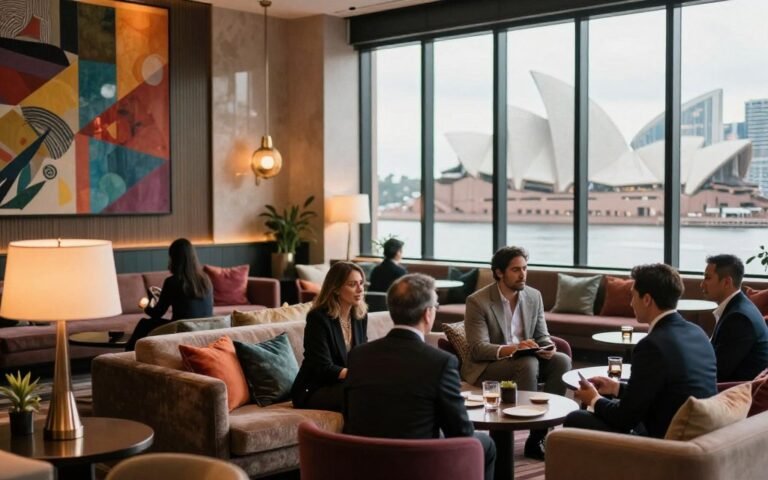
Make your pacific explorer cruise calm by matching plans to the ship’s pulse. Aim for quieter mornings, pick one anchor event each evening, and let harbour sail-away and sunrise near the Opera House be your reward.
Practical moves: keep essentials in your day bag, do The Pantry lunch if your cabin isn’t ready, and treat the muster drill as non‑negotiable. Set up your room, tackle seasickness early and choose deck spots by the weather so you actually enjoy time outside.
Skip queues by dining off‑peak, booking key shows and having a simple backup plan. Find your favourite coffee, a couple of bars and a clear way to the theatre — it makes every day smoother. 😊
Trust the crew: they run water, cleaning and services around the clock. Ask for help when you need it.
Check your timings, stay hydrated, savour the sail‑away and give yourself permission to slow down — that’s the point of the whole experience.